Greetings! This is a piece I wrote almost a year ago, however much of the information is still relevant, and with the rise in the Delta variant and Covid cases, I thought I would share it here.
I am a pediatric occupational therapist who has been working in schools and special education for over 20 years.
Occupational therapy is rewarding, fulfilling, and most of all fun!
I love what I do, I love the connections with kids and their families as well as other professionals.
I’ve worked in private schools, public schools, preschools, and early intervention.
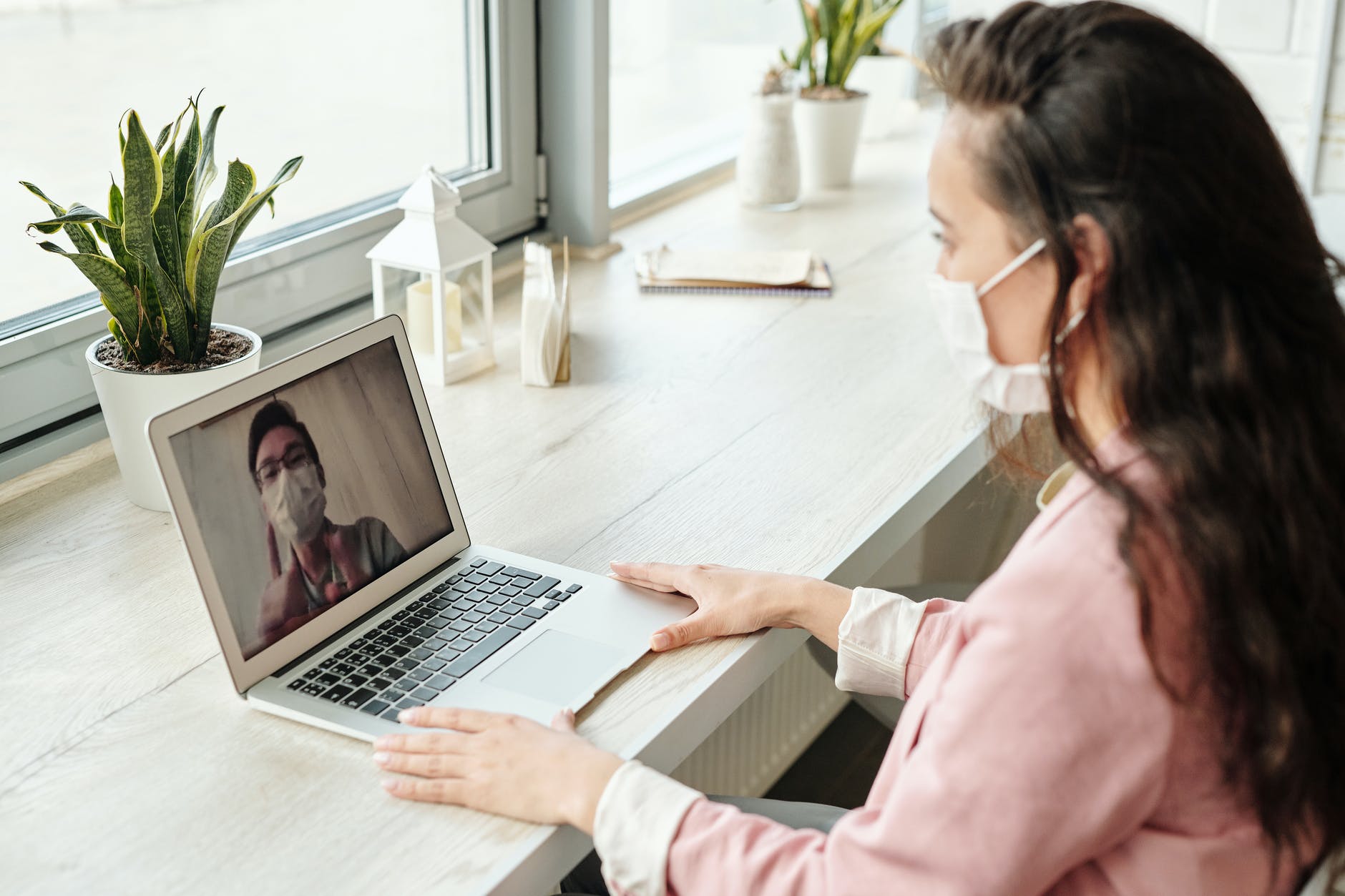
I’m also a teletherapist and have been providing services virtually, long before Covid-19 hit.
If you don’t know much about Occupational Therapy, it can require you to be hands on.
We work on fine motor and life skills such as handwriting and shoe tying.
So when Covid-19 hit fast and hard, many questions came up such as, “How do you adapt hands-on work into distance learning?”
I think many of us have been tasked with learning how to do things remotely.
Even for those of us with experience in telehealth like me, this shift hasn’t been easy.
The pandemic affected telehealth a little differently.
The prospect of distance learning came on quickly and unexpectedly, and many schools were not prepared, and continue to struggle with constantly changing guidelines and mandates.
Distance learning has highlighted the lack of access and resources many students have.
Disparities in Access to Resources
For years I’ve witnessed what some people are either just beginning to notice or just beginning to truly realize; the disparities in education, such as funding and class size, and access, such as technology and supplies, especially among children of color and low-income children.
These disparities have been prevalent since formal education began.
Now include children with special needs and the inequities loom large for these children.
We know the schools with more diverse communities and lower-income families are hit the hardest when it comes to inequities in both educational and healthcare.
Although there are laws regulating special education in schools and we also know that children with special needs are one of our most vulnerable populations.
Now everyone has been at home.
With this global pandemic, distance learning is the new normal.
With no other option, we have placed many seemingly insurmountable tasks on parents at home.
Not only do they have to be a parent, they have to be a partner, teacher, provider, employee, and caregiver.
When you are a caregiver to a child with special needs, this includes medical needs, therapies, doctor or specialist appointments, medication management, and special education meetings.
It’s often a never ending and overwhelming list of responsibilities.
How do you keep this all going?
And effectively?
While at home?
Possibly teleworking with your own job?
And with other kids and family members at home too?
While surviving a global pandemic?
And let’s remember, many children with special needs often have health issues or are immunocompromised and can’t simply go back to school even if that school is open.
What if you have all of the above going on, and you are worried about having the basic needs of your family met?
All of these questions bring me to an inspirational man I’ve been following on Instagram who is a Native American.
He is raising funds to provide running water to his neighbor’s homes.
Running water.
In homes.
In 2020.
And now in 2021.
Imagine trying to distance learn if you live in a community where you are still trying to get running water in your home.
We know now that distance learning hasn’t been as easy as hopping onto your computer and logging in.
First off, you have to have a computer and more than one at that if you also work from home.
This of course is if you have a job that you can do from home.
This gets even more complicated if there is more than one child in your home.
Your computer must have wifi capabilities and a camera.
You need reliable high-speed internet.
And one of the most important things that is often overlooked: you need a child who can sit in front of a computer screen, or at the very least stay within camera view, often for hours at a time.
Special needs students have schoolwork and special education services on top of that.
This can be daunting and overwhelming.
Even adults struggle with endless hours of video conferences, so I has to be difficult for children.
Some children with special needs can be movers.
They like or need to move around.
Some children can’t sit up without support.
Some children may have vision or hearing impairments.
Some children may be non-verbal.
Some might not be able to follow directions easily.
The support some children need may require another person to be with them so parents can’t leave them by themselves even to go get other work done.
There.
Are.
So.
Many.
Factors.
This is to say nothing of the social opportunities and engagement with friends that special needs children can be missing out on.
Think about how you felt the first 10 weeks into quarantine with very little exposure to the outside world.
Contact with other children is just as important as academics, and for all children, it’s a huge part of how they learn.
Now, if you are a student of color with special needs, these challenges become amplified.
Most large public health crises disproportionately affect communities of color and low-income families.
Study after study, statistic after statistic, has proven this.
With the country and world still firmly in the grips of coronavirus, where does this leave our students of color or low-income students with special needs?
I don’t know the answer to that and I worry it’s not in a good place.
What Next?
As an occupational therapist, even one with years of experience in telehealth, the new world of Zoom we find ourselves in hasn’t been easy.
I worry more about the students.
I worry more about their families.
I worry more about their occupational therapy and other necessary services. I worry more about access.
With all that being said, there are positive things happening.
My fellow occupational therapists and I have risen to the occasion and through out of the box thinking and flexibility have created some amazing services online.
Bitmoji classrooms and Boom cards (digital interactive activities) are great examples of making online learning fun and interactive.
Teachers are rock stars and have done spectacular things to keep their students supported and engaged.
Other providers like speech and language therapists, and physical therapists are doing the same.
Nurses, doctors, and behavioral health professionals are in overdrive and continue to be the glue that holds up our health system.
And let’s not leave out parents.
None of this works without the involvement of parents or caregivers.
Parents and caregivers are an incredible force that have kept this all going for 18 months now.
On top of everyone’s hard work, people are paying more attention to the disparities in education and I hope attention will continue to be paid to these issues.
People are finding more ways to connect, and access is improving.
We have to keep working hard and keep the issue highlighted even after the pandemic subsides.
We’ve come up with new and innovative ways to engage children from a distance.
The solutions to all of this don’t have to be complicated, and I have hope that we can come up with long term solutions.
As the saying goes, “hope is passion for what is possible.”
Until next time,

 SuperKids Pediatric Consulting Services
3 thoughts on “Occupational Therapy, Covid, and Educational Disparities”