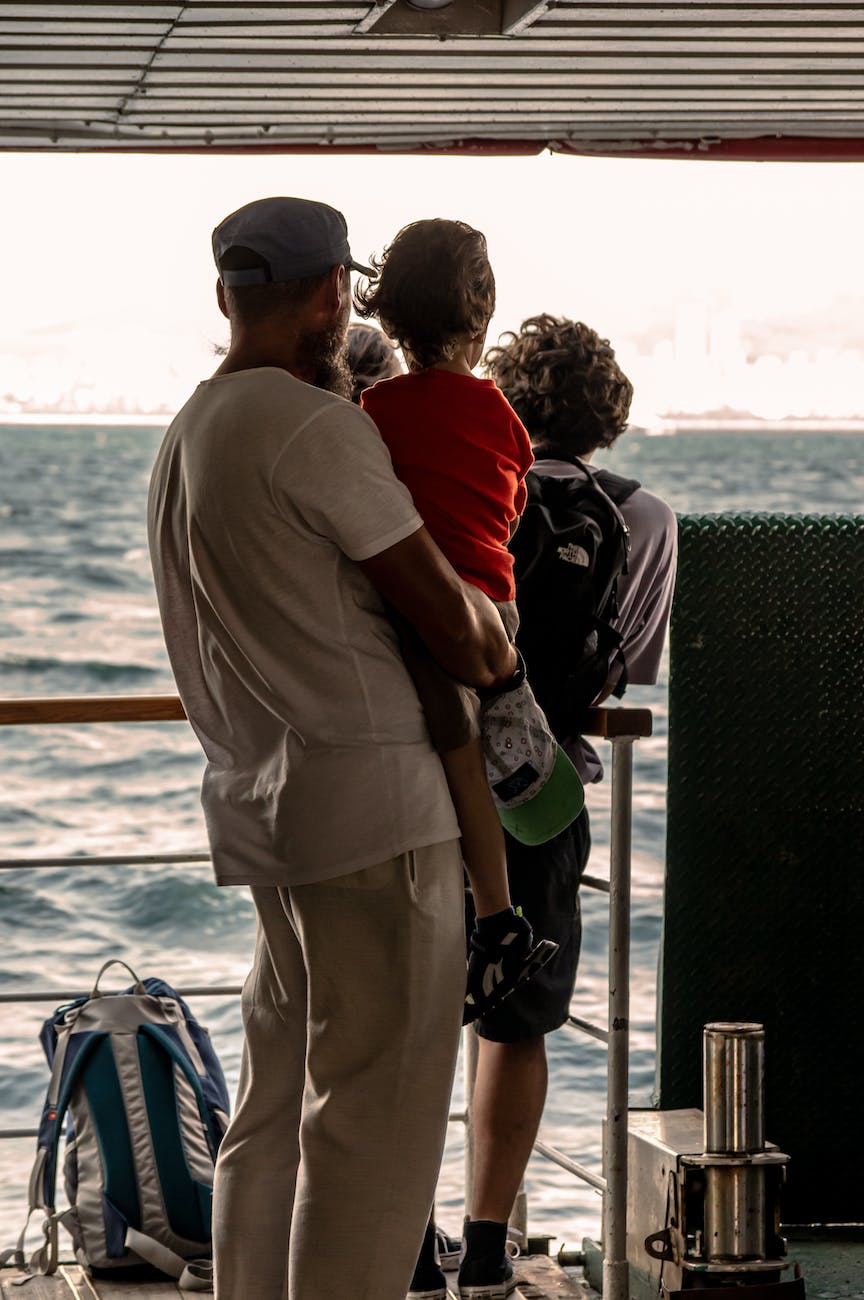
Recently, I spent some time traveling and it got me thinking about traveling with kids.
I got stuck in the travel nightmare that occurred over the holiday season here in the U.S. with tens of thousands of canceled flights, diversions, long lines, and lost luggage, it was a rough journey.
In the many many hours I spent in the airport, I saw parents and kids trapped in the same nightmare.
There were even a few minor kids who were traveling alone.
While my child is more of a teen these days, it was still no easy trip.
My heart went out to all the crying babies, and exhausted parents.
There were some things I learned along the way which I thought I would share here.
I know many of you reading this have sensory sensitive kids, so I’ve added a few things to help with sensory overload.
In the Airport

- Just like you plan your trip, plan your time at the airport. This includes parking, shuttle service, renting a car, checking bags, security, lines, food, and places to charge your phone (which you’ll need if you get delayed).
- Dress light. We all know how security is. You want things that are easy to get on and off not only yourself but your kids including shoes.
- Plan for waiting in lines. Have something to entertain your little ones while waiting in line. People watch, play I Spy, sing a song, play Simon Says.
- Sensory tips
- Noise-cancelling headphones can be helpful for blocking out all of those loud sounds.
- Sitting at a gate that doesn’t have a flight boarding or arriving can be a good place to regroup and is usually a little more quiet.
- “Visit” the airport before you go. Get on their website. Talk about what it will be like. What you will see, hear, and smell. Find a video that shows what airports are like.
On the Plane

- Make sure activities are easily accessible. Nothing like your child asking for their coloring book that you left in the carry-on in the overhead bin and the fasten seatbelts sign is on.
- Review plane manners. You don’t want your kid to the be one kicking the seat in front of them or screaming the whole trip. This doesn’t mean it won’t happen (and it’s ok if it does) but make sure your child knows what you expect of them while on the plane.
- Bring extras. Extra water, extra snacks, extra clothes, extra activities.
- Plan out the time. Have a plan for how you will engage your kids for the flight including time sitting on the runway and waiting for all the people in front of you to get off the plane.
- Screen time is ok. While everything these days seems to be geared towards no screen time or at least less of it, in my opinion, this is one time to use screen time to your advantage. Don’t forget to download shows or movies BEFORE you board!
- Be aware of sensory stimuli on planes. From popping ears to the sounds of take-off and landing, to the whoosh of the toilet flushing (come on, let’s be honest, that is one scary sound), to motion sickness, planes can easily become a sensory overload haven. This is a good time to pull out all the stops and use what you have to reduce overstimulation. We’ve already talked about noise-canceling headphones, but here are some other ideas.
- Gum or hard candy-sucking or chewing can help with popping ears
- Let your child come out of the bathroom first and flush for them to avoid them having to stand in a confined space with a loud noise.
- If your child is sensitive to sounds or has anxiety- explain what the sounds are that they will hear on a plane.
- Talk to your child’s doctor if they are sensitive to motion to see if there is anything they can take to alleviate motion sickness.
- Pack a comfort item. If you child has a lovey or a blanket or another comfort item be sure to pack it in your carry on. Even adults struggle with flying so making sure your child has a comfort item while flying can help.
- Find spaces to decompress before and after the flight. Between the airport and the plane ride, flying is at the top of the sensory overstimulation list. Make sure to give your child a space where they can decompress from the experience.
Remember flying can be a fun and exciting experience.
Sometimes, the unexpected can and does happen.
Being prepared to the best of your ability will help alleviate stress and anxiety for both you and your child.
Until next time.
 SuperKids Pediatric Consulting Services