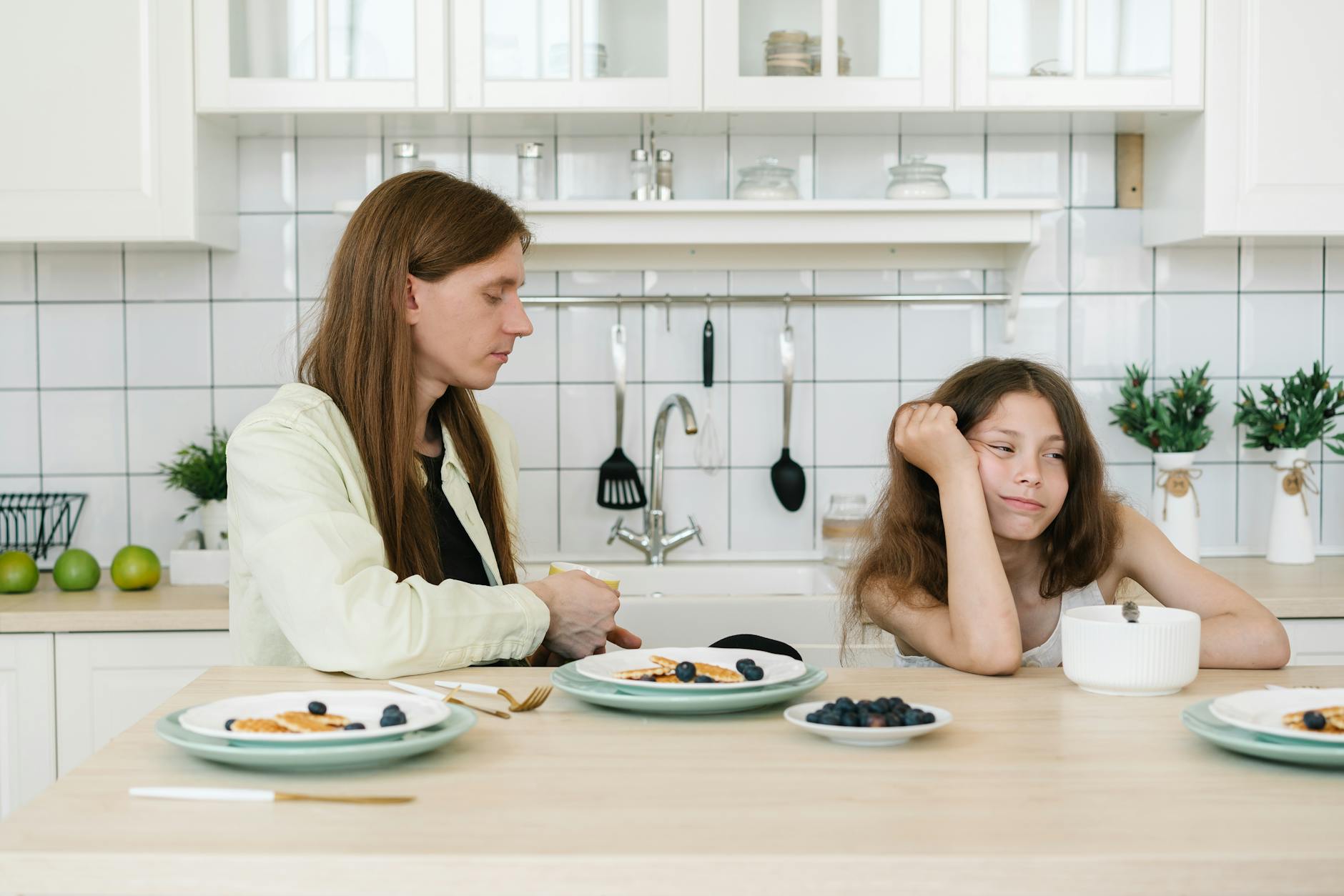
If you are a parent, you are probably no stranger to “big feelings” from your child. They aren’t called the terrible twos and the teen years for no reason. But even children who are not 2 years old or a teenager can have big feelings. Sometimes, it can seem that our children always have big feelings. And it only takes a trip to the grocery store or the library to witness other children or your child having big feelings about something.
One of the biggest questions I’ve had from parents recently is, “What do I do when my child is having big feelings?” While there are many methodologies, and it can be hard to remember what to do in the moment. Here are 10 tips for what to do when your child is experiencing big feelings.
- Remain calm. This seems like a given, but in the moment, it can be challenging to remember. Most children are co-regulators, meaning they use others to help regulate their behaviors and emotions. If you are upset and yelling, this can often be dysregulating to your child. Instead of decreasing the temperature of the situation, it will raise it, taking everyone that much longer to calm down. One of the best things you can do for your child is model calm behavior. Take a few deep breaths, count to 10, and use a neutral voice. Children often watch your behavior and will adjust accordingly.
- Reduce the amount of talking. An adult trying to reason with a child is one of the most common things I see when a child is upset. It rarely works because often, when children are in their big feelings, their brains can’t process what is being said. Avoid making demands, and keep your words to a minimum. Maintain a neutral tone and a calm voice.
- Validate your child’s feelings. We can instinctively invalidate our child’s feelings. Invalidation can sound like, “Why are you crying?” “It’s nothing to be upset over!” “You’re okay. “ or “It’s not that big of a deal.” Validating your child’s feelings can help de-escalate the situation. Statements like, “It’s okay to feel sad/mad/hurt/frustrated.” can remind your child that you understand what they are going through and that their feelings are validated.
- Reduce environmental stimuli. When your child is upset, it can be helpful to reduce the number of things happening around them. Turn off the TV, dim or turn off the lights, put the barking dog in a different room, etc.
- Create a quiet space your child can go to if needed when upset. Sometimes, when your child has big feelings, they need somewhere to escape. Create a space in your home that can be used anytime, especially when your child is upset. A bean bag chair, big pillows, cozy blankets, books, or coloring or art materials may be helpful.
- Make sure rules and boundaries are established BEFORE things escalate. In a calm moment, discuss and review the rules and boundaries with your child so they know what to expect when upset. Visuals can help remind your child of the rules in the moment and can also reduce the amount of talking you’ll need to do. Having a plan about what to do when things escalate can be helpful.
- Take some deep breaths. This may seem like a given, but it’s important to remember in the moment. Deep breathing has power and is suggested so frequently because it works.
- Learning how to regulate big feelings is a developmental skill that takes time. Remember, emotional regulation is part of children’s natural development. Make sure your expectations are reasonable. Children are allowed to have bad days.
- Emotional regulation takes practice. Remember, nothing will magically change overnight. Learning how to regulate your emotions takes time. Consistency in practicing skills can be key. Be sure to allow both you and your child some grace.
- Go easy on yourself and your child. Big feelings are called big feelings for a reason. Feelings are not always straightforward and clear-cut. Just because your child has a big feelings meltdown doesn’t make you a bad parent. It happens to all of us. And remember, just because your child has a big feelings meltdown doesn’t make them a bad kid.
Big feelings can be challenging, but with practice, consistency, and support, your child will learn to cope when they arise.

 SuperKids Pediatric Consulting Services