
Introduction
Occupational therapists can play a critical role in helping to design sensory-friendly retail spaces. Retailers are in a constant race to differentiate themselves.
One of the most overlooked competitive advantages is sensory‑friendly design—an approach that reduces environmental stressors and welcomes neurodiverse customers who may otherwise avoid brick‑and‑mortar stores.
In this article, I’ll explore why inclusive shopping environments matter, the science behind sensory processing, and why occupational therapists can play a vital role in helping retailers boost sales and customer loyalty.
Why Sensory‑Friendly Retail Matters
- According to the CDC 1 in 6 children in the United States has a developmental disability that may include sensory processing differences. These customers—and their families—represent billions in spending power.
- Retail spaces that address sensory triggers (harsh lighting, loud music, strong scents) report higher dwell times and repeat business, translating into measurable ROI.
Families with neurodiverse children often avoid traditional retail spaces due to the overwhelming sensory input found in typical store environments. Loud music, bright lights, and cluttered aisles can turn a simple shopping trip into a stressful event.
By creating a more accessible and calming space, you demonstrate a genuine commitment to inclusion and foster a welcoming atmosphere for everyone.
Understanding Sensory Processing Differences
Sensory processing refers to the way the nervous system receives, interprets, and responds to sensory input from the environment.
Occupational therapists are experts in the field of sensory processing and can help support developing inclusive spaces for your retail business.
For neurotypical individuals, sensory input may go unnoticed or be easily filtered.
But for those with sensory processing differences—such as individuals with autism, ADHD, or anxiety—certain stimuli can cause discomfort, distraction, or even physical distress.
These sensitivities can affect how someone experiences light, sound, textures, movement, and even social interactions.
In a retail context, this means that store features most shoppers don’t notice can actually prevent others from entering or staying in the space.
Occupational therapists are aware of these sensitivities and work with individuals with sensory processing difficulties, giving them first-hand knowledge of ideas and strategies that work.
Key Sensory Stressors in Retail
- Lighting: Flickering fluorescents and high‑lux LEDs can cause discomfort or even migraines.
- Auditory Overload: Background music, PA announcements, and crowd noise layer unwanted sound.
- Visual Clutter: Overfilled racks and clashing signage overstimulate the visual field.
- Crowd Density: Tight aisles and wait times for checkout elevate anxiety.
Understanding and addressing these triggers is the first step in creating a more inclusive retail space, and occupational therapists can help with ways to address these triggers.
Actionable Design Strategies
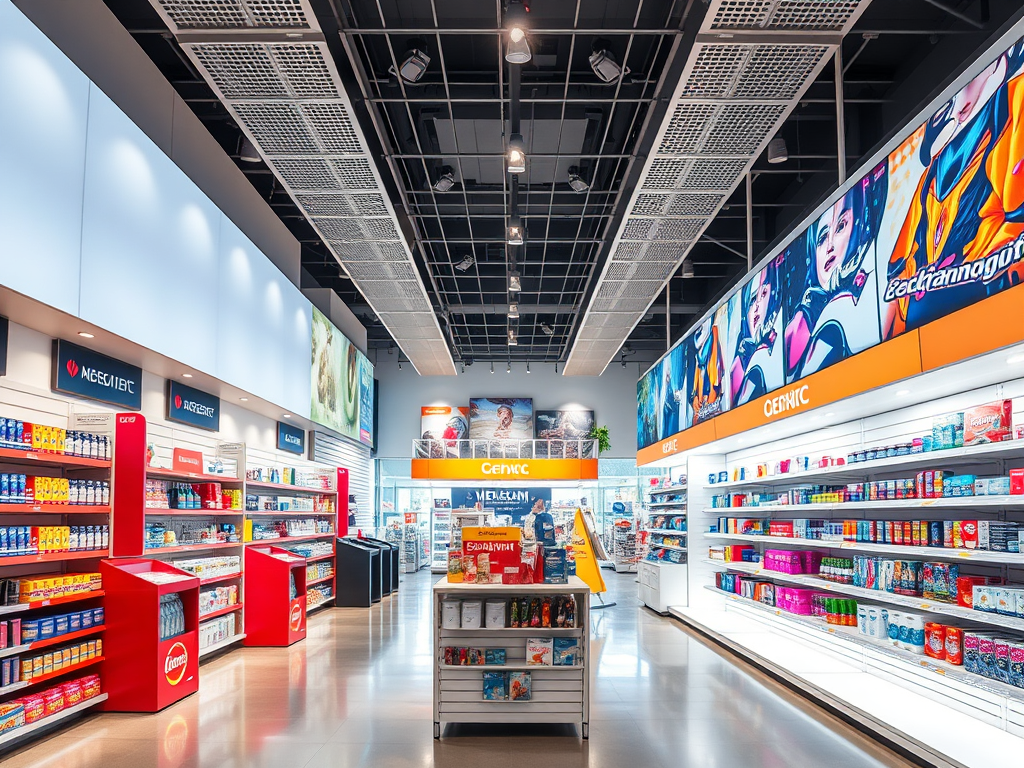
Below are some initial steps you can take to make your retail space more inclusive.
Remember, you don’t need to redesign overnight. Begin with small, simple changes and gradually build toward long-term transformation.
| Sensory Trigger | Quick Fix | Long‑Term Solution |
| Lighting | Replace flickering bulbs | Install adjustable LED panels with 2700–3000 K color temps |
| Noise | Lower background music 10 dB | Create silent shopping hours and use acoustic panels |
| Visual Clutter | Adopt minimal merchandising | Apply a soothing color palette and organized signage |
| Crowds | Offer click‑and‑collect pickup | Widen aisles to at least 48 inches |
Staff Training Tips
Design changes matter, but staff awareness and training are equally important.
Employees play a vital role in making sensory-friendly retail work.
Occupational therapists can help train staff so they develop more awareness of sensory needs.
Here are a few suggestions on how to get started.
- Use person‑first language and avoid assumptions.
- Offer discreet sensory toolkits (noise‑reducing headphones, fidget items).
- Role‑play scenarios to build empathy.
When staff are trained to recognize signs of sensory overload and respond compassionately, retail spaces become not only accessible but truly welcoming.
Marketing Your Sensory-Friendly Space
Once your sensory-friendly initiatives are in place, make sure the public knows about them:
- Create a dedicated page on your website highlighting features and quiet hours.
- Use social media to share photos, stories, and testimonials.
- List your business on directories that promote accessible and inclusive locations.
- Partner with local disability organizations or parent groups to reach target audiences.
Transparency builds trust.
When families see that you’ve taken thoughtful steps to support sensory needs, they’ll be more likely to choose—and recommend—your store.
Call to Action
Creating a sensory-friendly shopping environment isn’t just a nice idea—it’s a smart, inclusive strategy that benefits your customers, your staff, and your bottom line.
If you’re ready to take the first step in making your retail space more inclusive, SuperKids Pediatric Occupational Therapy is here to help. We offer customized sensory audits, staff training, and design consultations tailored to your business.
Contact me today to schedule your consultation and create a shopping experience that welcomes everyone.

 SuperKids Pediatric Consulting Services