
As a school-based occupational therapist, having the right tools can make all the difference in engaging students, collecting meaningful data, and making your interventions effective and enjoyable. Whether you’re just getting started or looking to streamline your therapy bag, here are the top 10 essential tools every school-based OT should have in their toolkit.
1. Fine Motor Tool Kit: Your go-to for hand strengthening, dexterity, and coordination. Include:
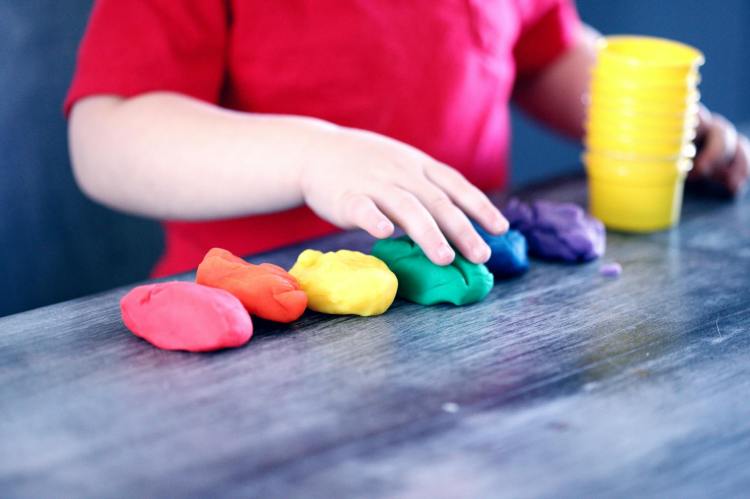
- Theraputty and Playdoh
- Tweezers
- Beads and string
- Mini clothespins
- Blocks
These simple tools help with grasp development, finger isolation, and strengthening—core components of handwriting and tool use.
2. Sensory Tools Students with sensory processing needs benefit from access to:
- Fidget toys
- Weighted lap pads
- Noise-reducing headphones
- Chewy necklaces
- Movement-kids yoga cards are a fun and engaging way to build in a quick sensory break.
Sensory regulation supports attention, emotional regulation, and task persistence.
3. Slant Board Slant boards support proper wrist positioning, posture, and visual access to writing tasks. They’re ideal for students struggling with hand fatigue, visual tracking, or handwriting difficulties.
4. Adaptive Paper and Pencil Grips Have a variety of:
- Raised line paper
- Graph paper
- High-contrast paper
- Pencil grips of different sizes and shapes
These small adaptations can dramatically improve legibility and comfort.
5. Visual Supports These include:
- Letter formation charts
- First/Then boards
- Visual schedules
- Desk strips
Visual cues help students process instructions and feel more independent in their tasks.
6. Movement Tools To help students stay regulated and alert:
- Resistance bands for chairs
- Wiggle cushions
- Small trampolines (if space allows)
- Yoga cards
- Ball chairs
Movement supports are a critical part of sensory diets and classroom participation.

7. Assessment Tools Standardized and informal assessments are key:
- The Beery VMI
- BOT-2 (Bruininks-Oseretsky Test)
- Sensory Profile or Sensory Processing Measure
- Teacher and parent checklists
- OT observation templates
Data drives decisions and helps track progress over time.
8. Handwriting Programs
- Handwriting Without Tears
- Size Matters Handwriting Program
- Zaner-Bloser materials
Evidence-based programs provide structured approaches to improving legibility and motor patterns.
9. Technology Tools Don’t forget tech:
- iPad or tablet with OT-specific apps
- Speech-to-text tools
- Word prediction software
- Visual timers
These support access for students with diverse needs.

10. A Great Therapy Bag or Rolling Cart
Organization matters! A sturdy rolling cart, file organizer, or therapy bag helps you stay mobile and efficient across multiple school sites.
Conclusion: Having the right tools empowers you to meet the diverse needs of your students and deliver high-quality services.
Each of these items plays a role in building motor skills, fostering independence, and supporting school participation.
If you’re wondering where you can purchase these supplies, check out Amazon for most products!
Don’t forget to pick up your copy of my new ebook- A Beginner’s Guide for Occupational Therapy Practitioners!

 SuperKids Pediatric Consulting Services