

The first month of school is a big transition for children.
New routines, unfamiliar faces, and different expectations can cause stress—even for kids who seem confident and excited.
For others, the change can trigger anxiety, fatigue, or behavioral challenges.
As parents, understanding how your child’s nervous system responds to change can help you support their emotional regulation and make the adjustment smoother.
Why the Nervous System Matters During Back-to-School

Your child’s nervous system is like their personal control center.
It processes sensory information (what they see, hear, touch, smell, and taste) and influences how they feel and behave.
During the first month of school, their nervous system is working overtime to adapt to:
New sensory environments -different lighting, noise levels, smells.
Increased social interaction -classmates, teachers, playground dynamics.
More structured demands -following schedules, completing work, transitioning quickly.
When the nervous system becomes overwhelmed, your child might have trouble with emotional regulation—the ability to manage feelings and reactions in a healthy way.
This can look like meltdowns, withdrawal, irritability, or restlessness.
Common Signs of Nervous System Overload in Kids

During the first weeks of school, watch for signs that your child’s nervous system may need extra support. This can look like:
- Trouble falling asleep or waking up frequently
- Emotional outbursts or increased irritability
- Complaints of headaches or stomachaches
- Avoidance of school-related activities or conversations
- Difficulty focusing on homework or conversations
- Clinginess at drop-off or reluctance to go to school
Recognizing these signs early allows you to respond proactively.
Practical Ways to Support Your Child’s Nervous System

1. Prioritize Rest and Sleep
Sleep is the foundation for nervous system regulation.
During the first month of school, bedtime should be consistent, with a calming routine that might include reading, dim lights, and quiet time.
Avoid screens at least 30–60 minutes before bed, as blue light can make it harder to wind down.
2. Keep Mornings Predictable
Rushed, chaotic mornings can put the nervous system on high alert before the day even starts.
Lay out clothes the night before, pack lunches ahead of time, and keep a visual schedule to help your child know what’s next.
3. Offer Sensory Breaks After School
The school day can flood a child’s nervous system with sensory input.
Before diving into homework or activities, allow for decompression time—this could be quiet reading, a snack, a walk outside, or free play.
4. Maintain Familiar Routines at Home
While school introduces change, home can be the anchor.
Familiar routines for meals, bedtime, and family time help the nervous system feel safe and secure.
5. Provide Comfort Through Connection
Positive connection helps regulate the nervous system.
Simple gestures like hugging, sitting together during snack time, or engaging in your child’s favorite activity can reinforce a sense of safety.
Emotional Regulation Strategies for Parents to Teach Kids

The first month of school is a great time to help your child build emotional regulation skills. Here are a few strategies:
Name the feeling: “You’re feeling frustrated because the math homework is hard.”
Practice breathing techniques: Slow, deep breaths can help calm the body.
Create a quiet space: A space with soft lighting, sensory tools, and comfort items.
Model regulation yourself: Show how you handle frustration by using coping strategies out loud.
When children learn that feelings are normal and manageable, they become more confident in handling challenges.
Partnering with the School
Your child’s teachers can be powerful allies in supporting regulation during the school day.
Share any strategies that work well at home—such as movement breaks, quiet time, or sensory tools—and ask if similar supports can be provided in class.
Regular check-ins with the teacher during the first month can help identify patterns and make adjustments early.
Why Your Child’s Nervous System Matters Beyond the First Month

The nervous system adapts over time, but strong regulation habits set the tone for the entire school year.
By supporting your child now, you’re helping them:
- Adjust to changes with less stress
- Stay focused and engaged in learning
- Build resilience for future challenges
When children feel balanced and supported, they can thrive academically, socially, and emotionally.
Final Thoughts
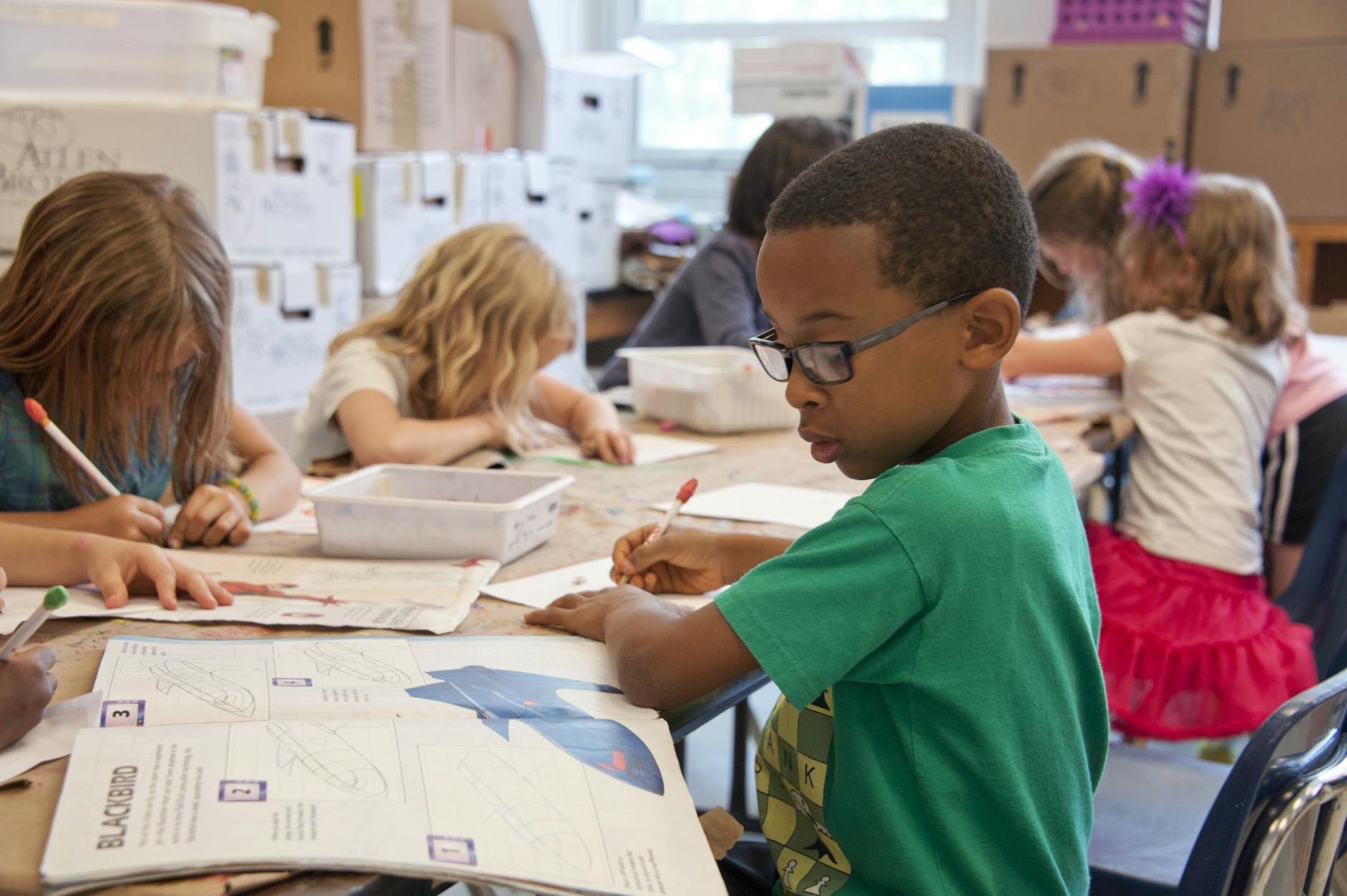
The first month of school is an adjustment for every child—but with the right support, you can help your child’s nervous system and emotional regulation stay balanced through the transition.
By combining consistent routines, sensory breaks, emotional coaching, and strong home-school communication, you give your child the tools they need to feel calm, confident, and ready to learn.
Call to Action:
As a pediatric consultant, I help parents and schools create strategies that support children’s nervous systems and emotional regulation.
Contact me today to learn how I can help your family make the back-to-school transition smoother and more successful.
 SuperKids Pediatric Consulting Services