

As a pediatric occupational therapist, one of the most requested resources I provide is a sensory toolkit.
These kits are designed to support regulation, attention, and participation in a variety of settings—from classrooms to theme parks.
In this post, I’ll walk you through what goes into a sensory toolkit, why it matters, and how to build one tailored to your environment.
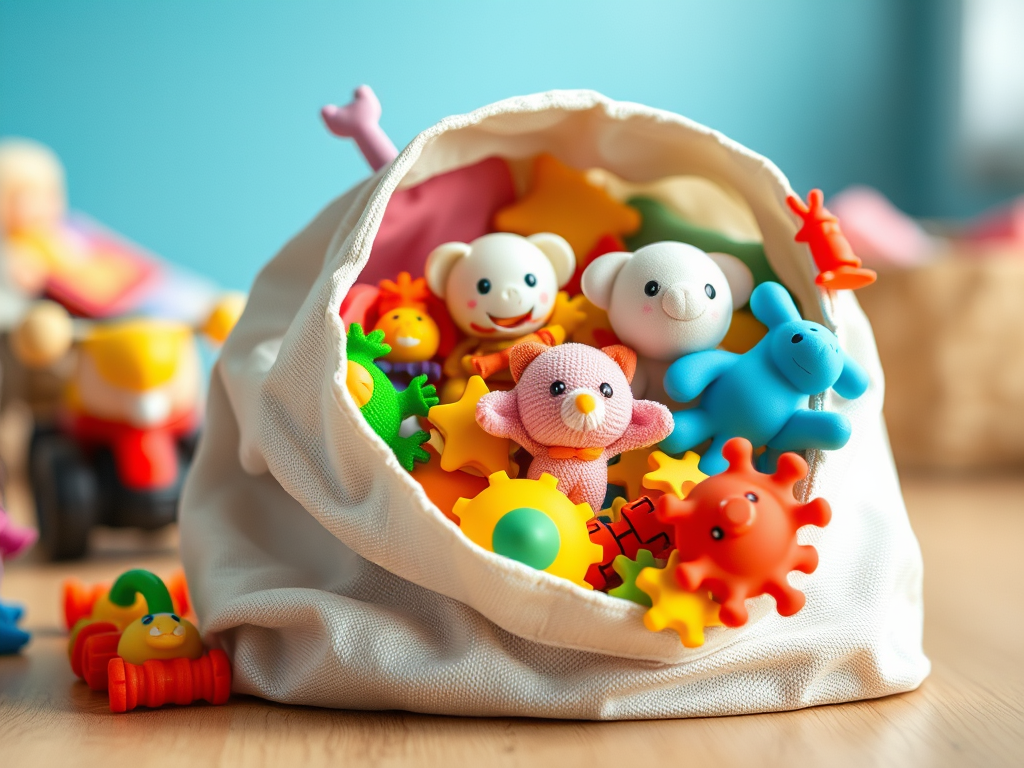
What Is a Sensory Toolkit? A sensory toolkit is a collection of items that help individuals manage sensory input.
These tools can calm, alert, or organize the nervous system, depending on the child’s needs.
Key Items in a Sensory Toolkit:
- Fidgets: stress balls, putty, tangles
- Visual Aids: timers, schedules, calming visuals
- Auditory Tools: noise-reducing headphones, white noise devices
- Tactile Items: textured fabric, sensory brushes
- Movement Supports: wiggle cushions, resistance bands
When and Where to Use It
Sensory toolkits are useful in:
- Classrooms during transitions or independent work
- Therapy sessions
- Public outings like museums or stores
Customizing Your Toolkit
There’s no one-size-fits-all.
Consider the environment and user.
In a classroom, tools should be discreet and easy to clean. In public spaces, portability and safety are key.
Why It Makes a Difference
Sensory tools promote self-regulation and independence.
They reduce behavioral challenges and increase focus, making inclusive participation more achievable.

Building Tools That Truly Support Every Child
Creating a sensory toolkit isn’t just about collecting items—it’s about thoughtfully designing resources that foster inclusion, emotional regulation, and access to learning.
Every texture, sound, scent, or visual support included in a sensory toolkit has the potential to change the way a child experiences the world around them.
Whether used in a classroom, clinic, or community setting, these tools give children the opportunity to self-regulate, participate, and thrive in environments that might otherwise feel overwhelming.
Behind each item in your sensory toolkit should be intentional planning.
Think about the sensory needs you’re targeting, the accessibility of each item, and how it can be used flexibly.
The process of building a sensory toolkit is also a collaborative one—teachers, therapists, caregivers, and even the children themselves should be involved in shaping what works best for them.
As we continue to advocate for neurodiversity and inclusive practices, it’s essential that we give children the tools they need to succeed—not just academically, but socially, emotionally, and functionally.
Sensory toolkits are one powerful step toward achieving that goal.

Click here to download my free 1-page guide to creating a sensory toolkit!
Call to Action
Are you looking to create a sensory-friendly space or design a custom toolkit for your school, clinic, or business?
At SuperKids Pediatric Occupational Therapy, I specialize in developing sensory strategies and inclusive environments that actually work.
Whether you need hands-on help building your toolkit, staff training, or a full sensory space consultation, I’m here to support you every step of the way.
Contact me today to schedule a consultation and let’s create a space where all kids can succeed—sensory needs and all.
 SuperKids Pediatric Consulting Services