

Play is one of the most important parts of childhood.
It’s how kids explore their world, develop new skills, and learn to express themselves.
Yet, many adults—often without realizing it—put rules or expectations on how play “should” look.
The truth is, there’s no single right or wrong way to play.
In pediatric occupational therapy, we know that play is deeply personal.
Every child engages with toys, games, and activities differently, and that’s not just okay—it’s essential for healthy development.
What Does “No Right or Wrong Way to Play” Mean?
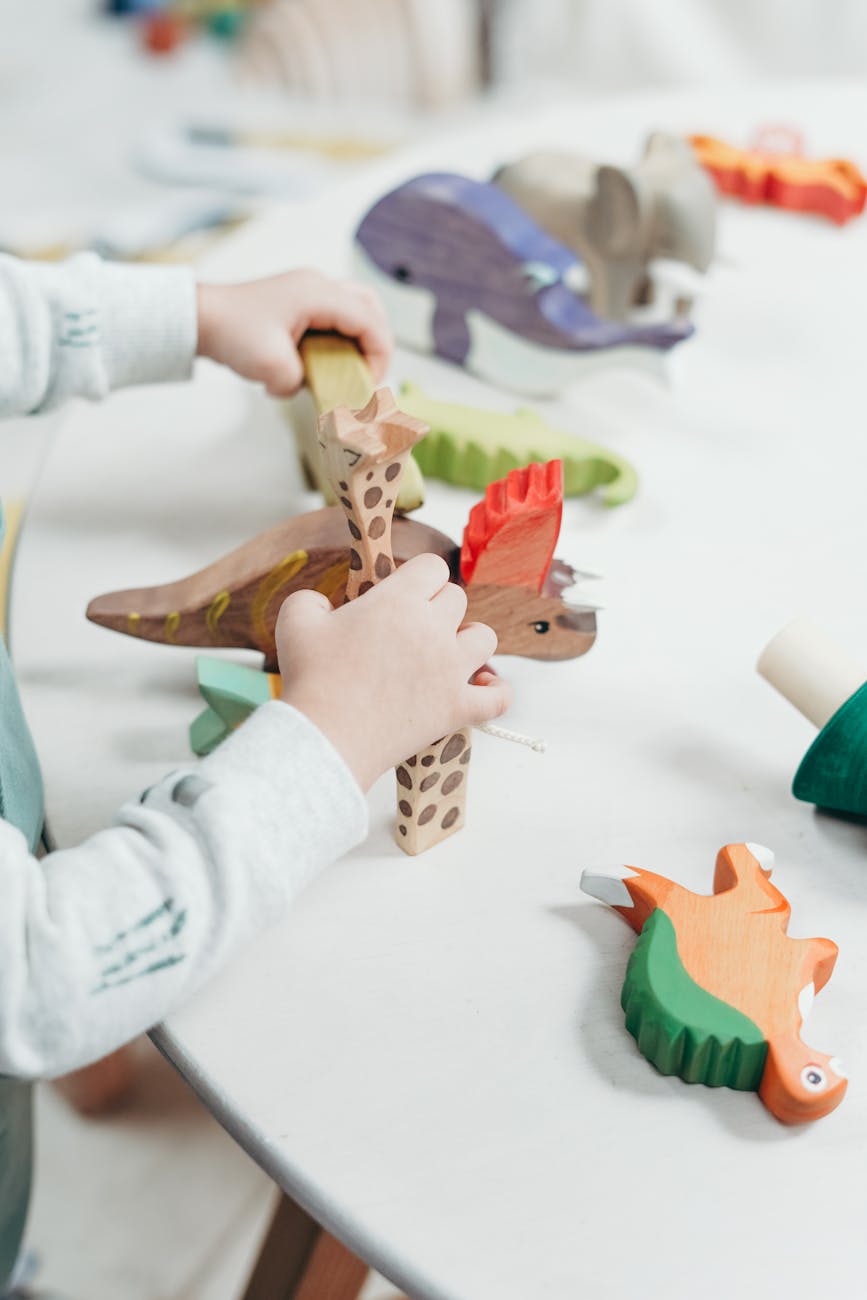
When I say there’s no right or wrong way to play, I mean that children should be free to explore and engage with play materials in a way that feels natural to them.
For example:
A child might line up toy cars instead of racing them.
They may prefer to pretend the puzzle pieces are cookies for a tea party rather than fit them into the board.
They might choose to sit quietly with a book instead of playing tag during recess.
All of these are valid forms of play.
The goal isn’t to meet an adult’s vision of “playtime,” but to allow the child to explore, create, and interact in a way that supports their unique interests and abilities.
Why This Matters for Development

Play builds critical skills across many areas:
Motor Skills – Climbing, drawing, stacking blocks, or dancing all strengthen the body.
Cognitive Skills – Problem-solving, planning, and creative thinking happen naturally in play.
Social-Emotional Skills – Role-play, sharing, and group games help children learn to navigate relationships.
Sensory Processing – Play helps children explore textures, sounds, movement, and other sensory input in a safe way.
When we limit play to one “right” method, we risk stifling creativity and missing opportunities for skill-building in ways that feel authentic to the child.
Following the Child’s Lead

One of the best ways to support open-ended play is to follow the child’s lead.
Instead of telling them what to do with a toy, join them in their play style.
If they’re using blocks as pretend food, “cook” a meal with them.
If they’re spinning in circles, try spinning together.
This approach fosters connection and trust, encourages creativity, and demonstrates to the child that their ideas are valued.
Breaking the Myths About Play

Some adults worry that “different” play styles mean a child is playing incorrectly.
But research shows that there’s no single developmental path for play.
Neurodivergent children, for example, may engage in repetitive or sensory-focused play—and this can be deeply meaningful and regulating for them.
Instead of redirecting children to a “more typical” style of play, it’s better to observe, understand, and gently expand their play in ways that feel comfortable to them.
Final Thoughts
There’s no right or wrong way to play—only different ways to learn, grow, and express joy.
By embracing each child’s play style, we not only support their development but also nurture their self-confidence and love of learning.
At Super Kids Pediatric Consulting, we celebrate all kinds of play.
Whether your child builds castles, pretends to be a superhero, or simply enjoys lining up their favorite toys, we believe that play is play—and every style is worth celebrating.
Learn more about supporting your child’s growth at SuperKids Pediatric Consulting.
Looking for support in helping your child grow, thrive, and develop? Click here to contact me.
 SuperKids Pediatric Consulting Services