
Introduction
Theme parks and entertainment venues promise thrilling experiences, but for visitors with sensory sensitivities, the excitement can quickly turn into overload.
Loud announcements, flashing lights, unexpected smells, and crowds may deter families from visiting altogether.
Implementing sensory‑friendly strategies enhances guest satisfaction, broadens market reach, and demonstrates social responsibility.
Identifying Sensory Challenges
There are many challenges to consider in theme parks or entertainment venues that may cause sensory overload.
It can be essential to remember that many of these challenges can be stressful not just for the person who is sensitive to sensory information, but also for those who are with them as well.
Here are a few of the top sensory challenges for theme parks and entertainment venues.
- Abrupt Ride Noises: Mechanical clunks, launch sounds, and safety announcements startle guests.
- Visual Overstimulation: Strobe lights, fast‑changing screens, and bright signage strain senses.
- Wait times: Long waits in tight, loud spaces may increase anxiety.
- Temperature Swings & Smells: Outdoor heat, food aromas, and pyrotechnic smoke compound discomfort.
- Auditory overstimulation: Loud music, crowd noise, and sudden sounds (balloons popping, etc).
Practical Solutions for Immediate Impact

There can be many simple solutions to decrease sensory overstimulation. Free and low-cost solutions can be considered while long-term solutions are being put in place. Here are a few practical solutions.
| Challenge | Quick Fix | Long‑Term Solution |
| Noise | Offer free earplugs | Use directional speakers & sound dampening in waiting areas |
| Light | Provide shaded rest zones | Program rides with reduced‑flash settings during sensory‑friendly hours |
| Crowds | Introduce virtual lines | Expand waiting lines and add visual progress markers |
| Smells | Improve ventilation | Design food zones away from main pathways |
Creating Quiet Spaces
Creating quiet spaces in theme parks and entertainment venues is an essential step toward fostering inclusivity for guests.
These thoughtfully designed areas offer a calm retreat from the noise, crowds, and overstimulation that can quickly lead to sensory overload.
By integrating quiet zones into the guest experience, venues not only support regulation and comfort but also show a strong commitment to accessibility, ensuring that every visitor can enjoy the magic and excitement without compromise.
Here are a few ideas:
- Calm Rooms: Climate‑controlled spaces with soft seating, weighted blankets, and low lighting.
- Sensory Gardens: Landscaped zones with gentle water features and tactile plants for self‑regulation.
Communication Tools
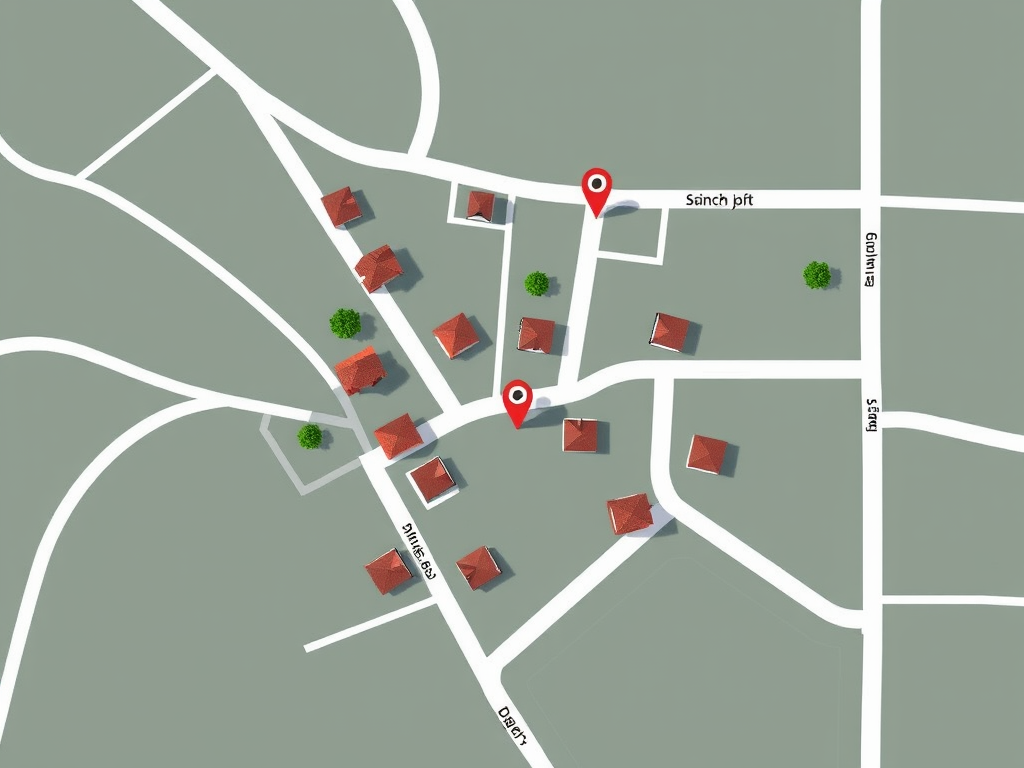
Creating practical communication tools for sensory overload empowers guests with sensory sensitivities to navigate their environment with greater ease and confidence.
Tools like visual schedules, sensory maps, symbol-based communication cards, and mobile accessibility apps can help individuals express needs, anticipate events, and reduce anxiety.
Here are a few suggestions:
- Sensory Guides: Rating system detailing ride intensity (sound, light, motion) available online and at entrances.
- Wayfinding: Color‑coded maps and clear signage reduce navigation stress.
Staff Training Essentials
Staff training is an essential part of helping guests to have a more positive sensory experience.
Educate team members to:
- Recognize signs of sensory overload.
- Offer alternative entrances/exits to avoid crowds.
- Provide quiet room access without stigma.
Marketing and Community Engagement

There are many ways to market your commitment to sensory-inclusive venues.
- Host sensory‑friendly days with reduced capacity and modified attractions.
- Partner with a variety of organizations for co‑promotions and leverage social media to share success stories.
Call to Action
Transform your entertainment venue into a destination where every guest feels welcome. Connect with SuperKids OT for an end‑to‑end sensory consultation—from ride audits to staff workshops.
 SuperKids Pediatric Consulting Services
One thought on “Sensory-Friendly Strategies for Theme Parks and Entertainment Venues”