
As parents, teachers, and caregivers, we often hear the phrase “meet children where they’re at.”
But what does that actually mean?
And why is it such an important part of helping kids grow, learn, and feel supported?
In the world of pediatric development, meeting children where they’re at means starting from their current developmental stage—emotionally, socially, physically, and cognitively—rather than where we expect or wish them to be.
It’s about understanding each child’s unique abilities, challenges, and interests, and then adapting our approach to help them take the next step forward.
Why Meeting Children Where They’re At Matters

Children develop at different rates.
One child might be reading fluently in kindergarten but struggle to tie their shoes, while another might have great motor skills but find social situations overwhelming.
When we expect all children to perform at the same level, we risk creating frustration, anxiety, and a sense of failure.
Meeting children where they’re at allows us to:
Build trust – Children are more likely to engage when they feel understood and accepted.
Foster confidence – Success comes when tasks are challenging but achievable.
Encourage growth – Skills develop faster when the starting point feels doable.
Reduce stress – Both for the child and the adult supporting them.
This approach also honors the fact that a child’s emotional state, sensory needs, and life experiences deeply influence their ability to learn and participate.
How to Meet a Child Where They’re At

Meeting a child where they’re at is part observation, part empathy, and part flexibility.
Here are five key strategies:
1. Observe Before Acting
Pay close attention to a child’s body language, behavior, and responses to different situations.
Are they showing signs of sensory overload, frustration, or fatigue?
Are they excited and ready to learn?
These observations help you decide where to begin and how to adjust your approach.
2. Adjust Expectations
It’s tempting to compare children to age-based milestones, but progress is not always linear.
Instead of focusing on where a child “should” be, focus on where they are and what the next small step might be.
3. Use Their Interests as a Bridge
If a child loves dinosaurs, use dinosaur stickers for handwriting practice.
If they enjoy jumping, turn math into a movement game.
Interests can turn resistance into excitement and help build skills in a way that feels natural.
4. Support Emotional Regulation
If a child is dysregulated, learning new skills becomes much harder.
Offer calming strategies—deep breathing, sensory breaks, movement activities—before asking them to tackle a challenge.
A regulated brain is a learning brain.
5. Celebrate Small Wins
Acknowledging progress, no matter how small, reinforces motivation.
That might mean clapping when a child tries a new texture, or praising their effort when they attempt a skill, even if they don’t get it “perfect” yet.
The Role of Relationship and Safety

At its core, meeting children where they’re at is about connection.
When children feel safe and understood, their brains are more open to learning.
This sense of safety isn’t just physical—it’s emotional, too.
They need to know that mistakes are part of learning, and that they won’t be shamed for struggling.
Occupational therapists often use this approach to help children with sensory processing differences, autism, ADHD, developmental delays, or anxiety.
But it’s equally powerful for all children, in any setting—classrooms, playgrounds, or at home.
Real-Life Example

Imagine a child who refuses to participate in group story time because they find sitting still too difficult.
Instead of insisting they sit in the circle like everyone else, you offer them a wiggle cushion or a spot at the back of the group where they can stand and listen.
Over time, as they gain comfort and self-regulation skills, they may choose to join the group on their own.
This is meeting the child where they’re at—providing access to the activity in a way that works for them right now, while supporting growth toward future goals.
Why This Approach Creates Long-Term Success
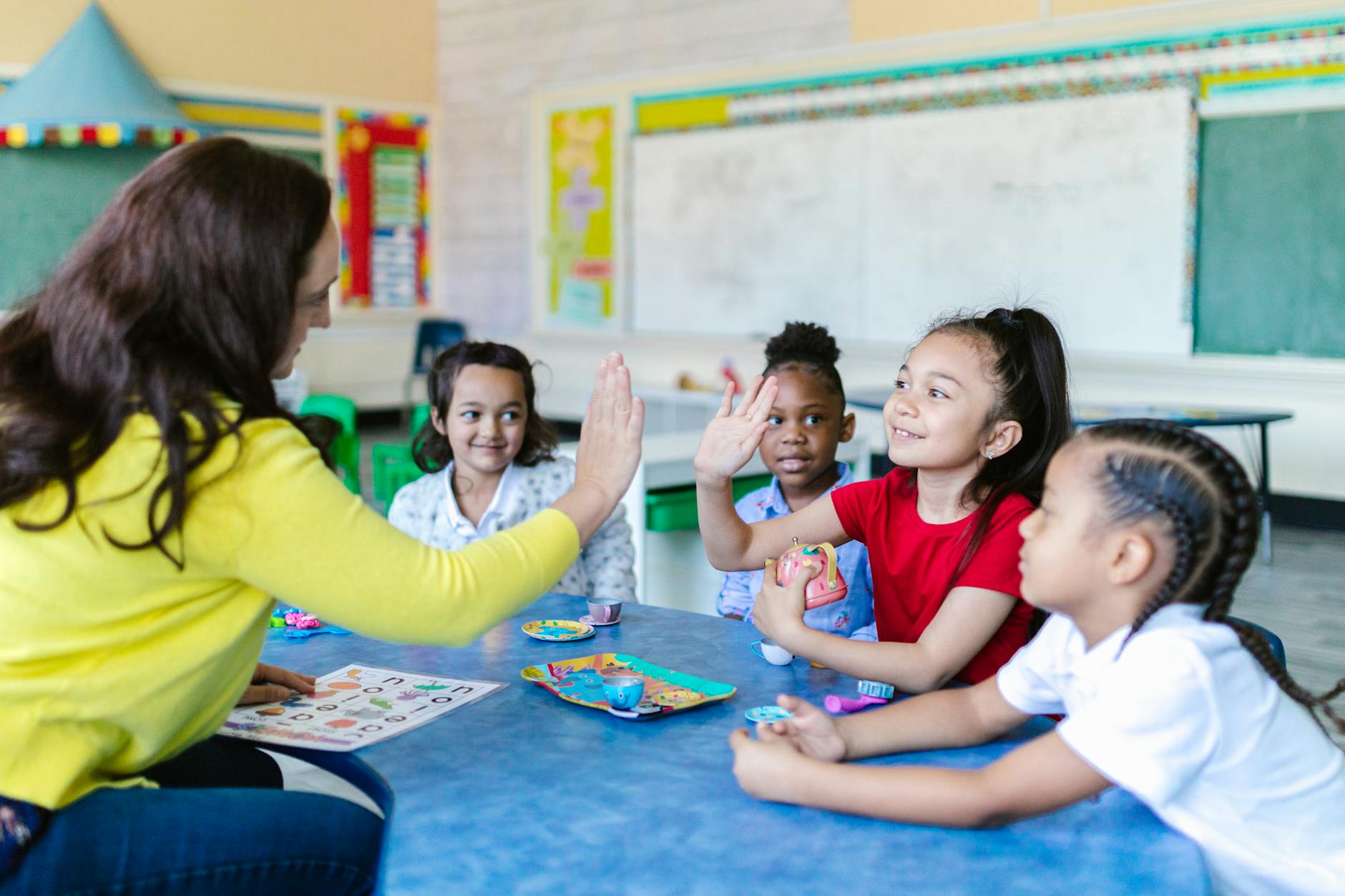
When children feel pressured to perform beyond their current abilities, they may shut down or avoid challenges altogether.
But when they are supported in achievable steps, they learn resilience, build self-esteem, and develop a positive attitude toward learning.
Meeting children where they’re at doesn’t mean lowering expectations—it means creating a pathway to success.
The goal is still growth, but it’s growth that’s paced and personalized.
Final Thoughts

Meeting children where they’re at is more than a teaching strategy—it’s a mindset.
It’s about seeing the whole child: their strengths, challenges, and humanity.
Whether you’re a parent, educator, or therapist, this approach helps create an environment where children feel valued, capable, and ready to thrive.
If you want to learn more about child development, sensory strategies, and ways to support your child’s growth, visit Super Kids Pediatric Consulting at www.superkidspediatricconsulting.com
Let’s work together to build skills, confidence, and joy—starting exactly where your child is today.
 SuperKids Pediatric Consulting Services