Pediatric occupational therapy has always been about connection, creativity, and individualized care.
From sensory regulation strategies to fine motor development and emotional awareness, occupational therapists help children build the skills they need to participate fully in daily life.
Now, artificial intelligence (AI) is beginning to reshape the way we assess, plan, and support those interventions — opening up exciting possibilities for both therapists and families.
As a pediatric occupational therapist, I’ve seen firsthand how technology can enhance our understanding of a child’s needs.
But AI isn’t here to replace the human side of therapy — it’s here to support it.
When used thoughtfully, AI can empower therapists, parents, and educators to provide even more personalized, responsive, and data-driven care.
How AI Is Enhancing Pediatric Occupational Therapy
Smarter Assessments and Data Tracking
Traditional assessments rely on observation and standardized scoring, which can sometimes miss subtle patterns in a child’s development.
AI tools can now analyze movement patterns, attention spans, and engagement levels using video and sensor data.
This helps therapists gain deeper insights into motor coordination, visual-motor integration, and sensory processing in real time.
For example, AI-powered motion tracking apps can detect small motor delays that aren’t always visible to the human eye.
This allows for earlier intervention — a key factor in improving long-term outcomes for children with developmental differences.
Personalized Intervention Plans
Every child is unique, and AI helps us honor that individuality.
By analyzing progress over time, AI algorithms can suggest activity adjustments, new sensory tools, or optimal schedules for regulation breaks.
For a child with ADHD or sensory processing disorder, AI-assisted data can help therapists pinpoint when attention dips or when transitions become harder, leading to more targeted strategies in school and at home.
This type of adaptive planning means that interventions evolve as the child does — a level of personalization that supports growth, confidence, and independence.
Supporting Parents and Caregivers
One of the most exciting uses of AI is in parent coaching.
Imagine having a digital assistant that helps you track patterns in your child’s routines, sleep, or regulation.
AI can help identify triggers for meltdowns, suggest calming strategies, or remind families of sensory diet activities.
For many parents, this data-driven support brings peace of mind and helps bridge the gap between therapy sessions.
It also allows occupational therapists like me to tailor home programs that truly fit into daily life.
Increasing Access and Equity
Another powerful benefit of AI is accessibility.
For families living in rural areas or communities with limited pediatric therapy resources, AI-based platforms can provide virtual screening tools, progress monitoring, and caregiver training.
This helps ensure that children who need support can receive it — no matter where they live.
Combined with telehealth and hybrid care models, AI can reduce barriers and make early intervention more equitable and efficient.

Balancing Technology and Human Connection
As with any innovation, it’s essential to approach AI with both curiosity and caution.
While it offers incredible opportunities, it’s not a substitute for human empathy, play, or therapeutic connection.
Children learn best through relationship and meaningful interaction — and no algorithm can replicate that bond.
As therapists, our role is to guide families in using technology wisely — to support, not overshadow, the child’s sensory, emotional, and developmental needs.
AI gives us new tools to see patterns, track progress, and make data-informed decisions, but it’s the therapist’s heart, creativity, and collaboration that make the real difference.
The Future Is Collaborative
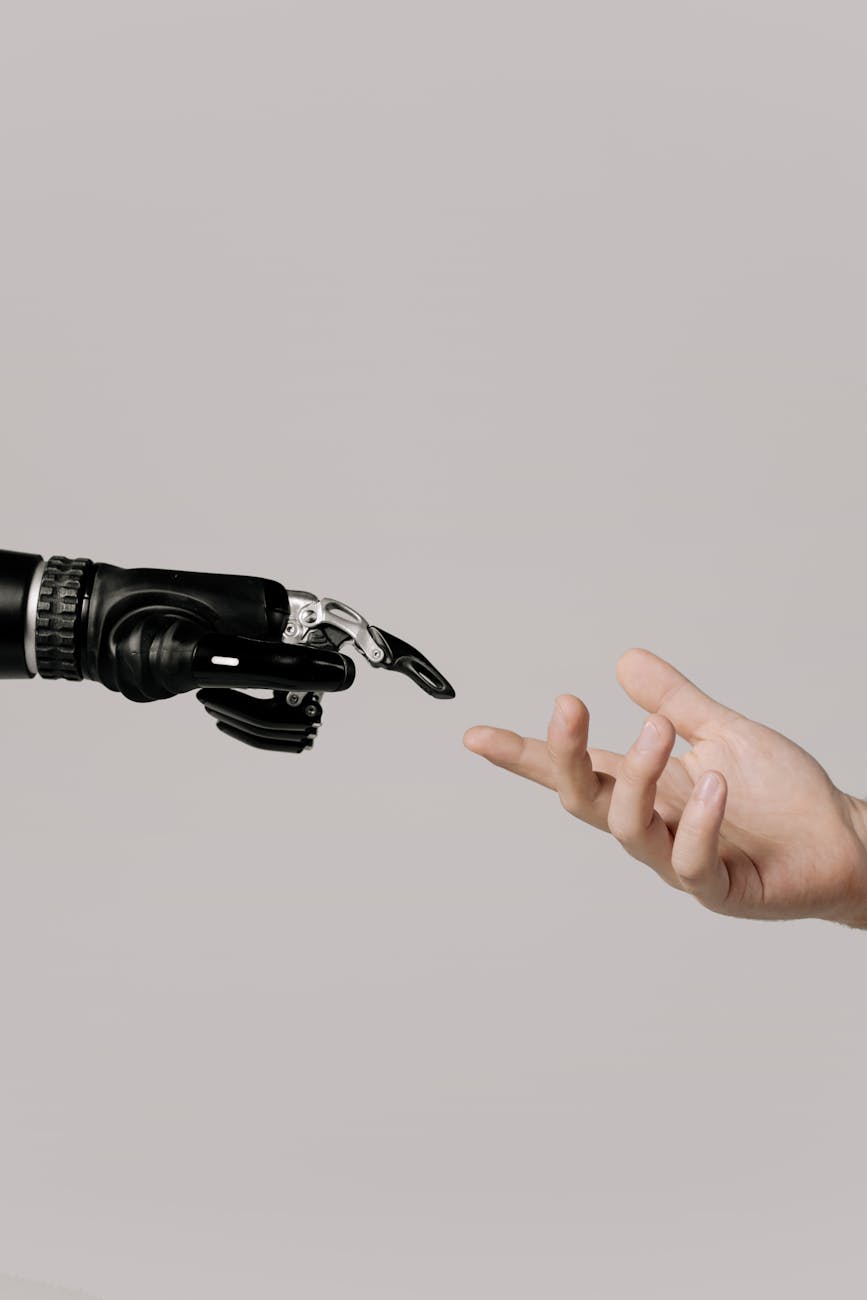
The future of pediatric occupational therapy will likely blend human insight with AI innovation.
Imagine a world where therapists spend less time on documentation and more time connecting with children — where data helps us fine-tune interventions, not define them.
That’s the balance I aim for in my work: using the best of technology while staying rooted in relationship-based, child-centered care.
Ready to Learn More?
If you’re a parent, educator, or organization curious about how AI-driven tools can support pediatric occupational therapy and sensory-friendly environments, I’d love to connect with you.
Whether you’re seeking guidance for your child, training for your staff, or consultation on sensory-inclusive programming, I can help you bridge evidence-based therapy with the latest technology.
Contact me today to learn how we can work together to create supportive, sensory-smart, and tech-informed spaces for children to thrive.
 SuperKids Pediatric Consulting Services