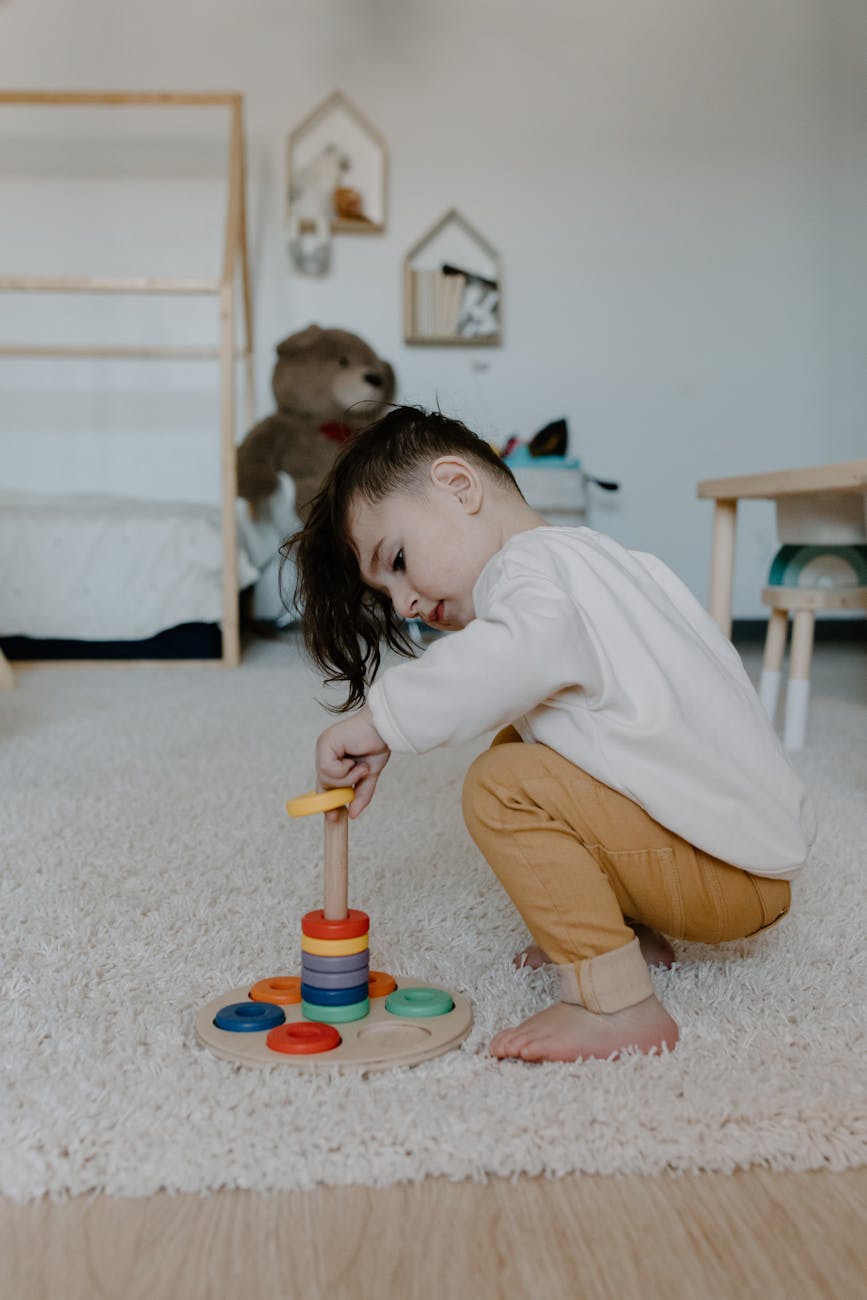
In a world where milestones, academic achievement, and structured learning seem to matter earlier and earlier, it’s easy to forget one of the most powerful tools we have for supporting a young child’s development: play.
As a pediatric occupational therapist, I’ve worked with countless families who worry their child isn’t writing enough, reading early enough, or showing the kind of academic skills seen on social media or preschool report cards.
But here’s the truth: play is not a break from learning.
Play is learning.
It’s how young children make sense of the world, build essential skills, and grow into capable, confident learners.
What Is Play?
Play is any activity that is freely chosen, self-directed, and enjoyable.
It may look messy, chaotic, or even unproductive to adults, but to a child, play is serious business.
It is through play that children explore, experiment, imagine, and take risks.
From stacking blocks and pretending to cook, to digging in the dirt or racing around the yard—every moment of play builds the foundation for lifelong development.
Play can look different for neurodiverse children.
It may involve lining up, stacking or repetition.
This is play.
While it may not look like what adults deem as play, all play is valid.

Why Play Matters: The Developmental Benefits
1. Cognitive Growth
Play strengthens problem-solving skills, memory, and attention.
Whether a child is figuring out how to balance blocks or role-playing a doctor’s office, they are constantly experimenting and thinking critically.
Open-ended play, especially with loose parts like cardboard boxes, dolls, or natural materials, supports creativity and flexible thinking—skills that form the basis for academic learning later on.
2. Motor Development
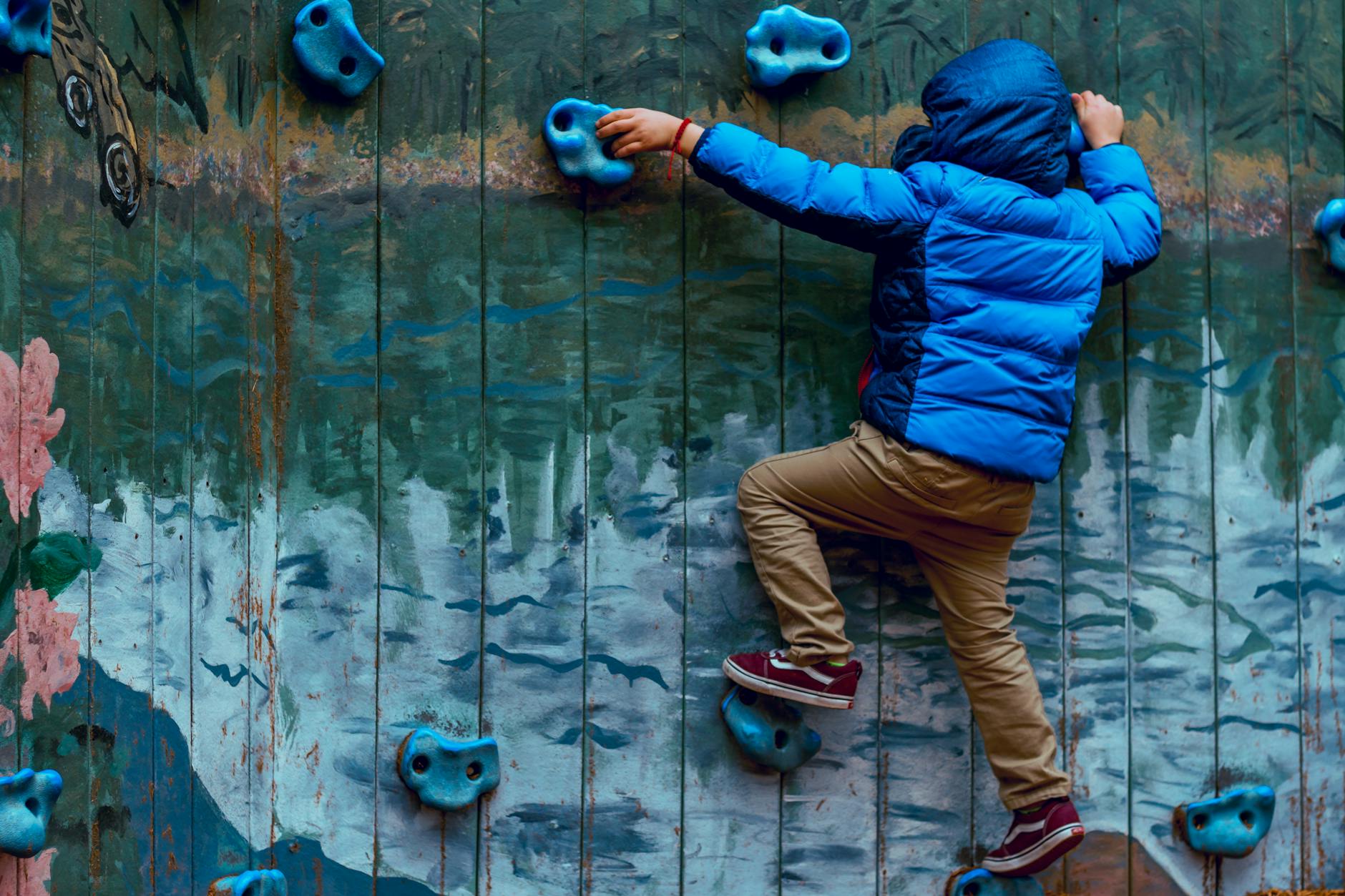
From climbing at the playground to coloring at the kitchen table, play supports both gross motor (large muscle) and fine motor (small muscle) skills.
These movements help build strength, coordination, balance, and body awareness.
The physical challenges of play, like jumping, swinging, or crawling, also support postural control and endurance—key skills children need for writing, sitting in class, and managing their bodies throughout the day.
3. Social and Emotional Skills
During play, children practice taking turns, reading facial expressions, managing frustration, and navigating social situations.
Dramatic or pretend play allows them to explore emotions safely, develop empathy, and learn how to cooperate and resolve conflict.
These experiences build the social-emotional foundation necessary for healthy relationships, emotional regulation, and success in group settings like school.
4. Language Development
Play is rich with language opportunities.
Whether narrating a story with toys, negotiating the rules of a game, or making up silly songs, children are constantly using and expanding their vocabulary.
Pretend play also supports narrative skills, sequencing, and comprehension—all critical components of literacy.
5. Sensory Integration
Many forms of play involve sensory input—touching different textures, moving through space, hearing varied sounds, and responding to visual stimuli.
These experiences help the brain organize and respond appropriately to sensory information.
For children with sensory processing differences, play is often the best therapy to build tolerance, coordination, and regulation.
Play Versus Performance
In today’s culture, it’s common to see worksheets, flashcards, and early academic programs marketed to parents of toddlers and preschoolers.
But research consistently shows that pushing formal academics too early does not lead to long-term advantages—and may even hinder development if it replaces play-based learning.
- When adults prioritize performance over play, we risk:
- Undermining curiosity and creativity.
- Creating pressure and anxiety.
- Missing critical stages of sensory-motor development.
- Teaching children that success comes only through measurable outcomes.
Instead of focusing on letter tracing or reading at age 3, we should be encouraging activities like digging in sand, building forts, dressing up, and climbing.
These are the experiences that prepare children to learn in meaningful, lasting ways.
How Adults Can Support Play
Provide time and space: Protect unstructured playtime each day.
Not every moment needs to be scheduled or filled with adult-led activities.
Offer open-ended materials: Toys don’t need to be expensive or high-tech.
Boxes, scarves, blocks, and natural materials invite creativity and exploration.
Limit screens: Excessive screen time takes away from real-world, hands-on experiences.
Join in when invited: Follow your child’s lead and engage in play without directing or correcting.
You’ll gain insight into their world—and strengthen your connection.
Trust the process: Even if play doesn’t “look” educational, trust that it’s building powerful skills under the surface.
Final Thoughts
Play is not a luxury—it’s a necessity.
It’s not a reward for good behavior—it’s the foundation of development.
During the early years, when brains are growing at their fastest, play is the natural and essential way children learn.
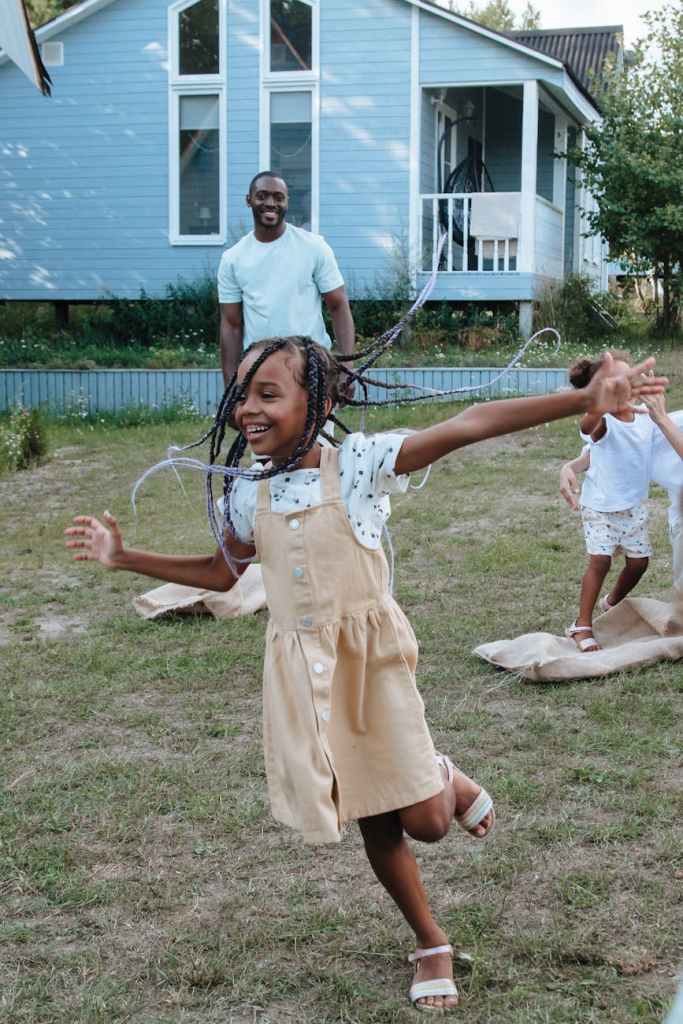
So the next time your child builds a pillow fort, talks to stuffed animals, or spends an hour digging in the dirt, resist the urge to interrupt with a structured task.
Instead, smile and know that in those joyful, imaginative moments, they are learning everything they need to grow.
Looking for more ways to support your child’s development through play?
Subscribe to the blog or follow us on social media for weekly tips, activities, and expert insights from a pediatric OT!
 SuperKids Pediatric Consulting Services