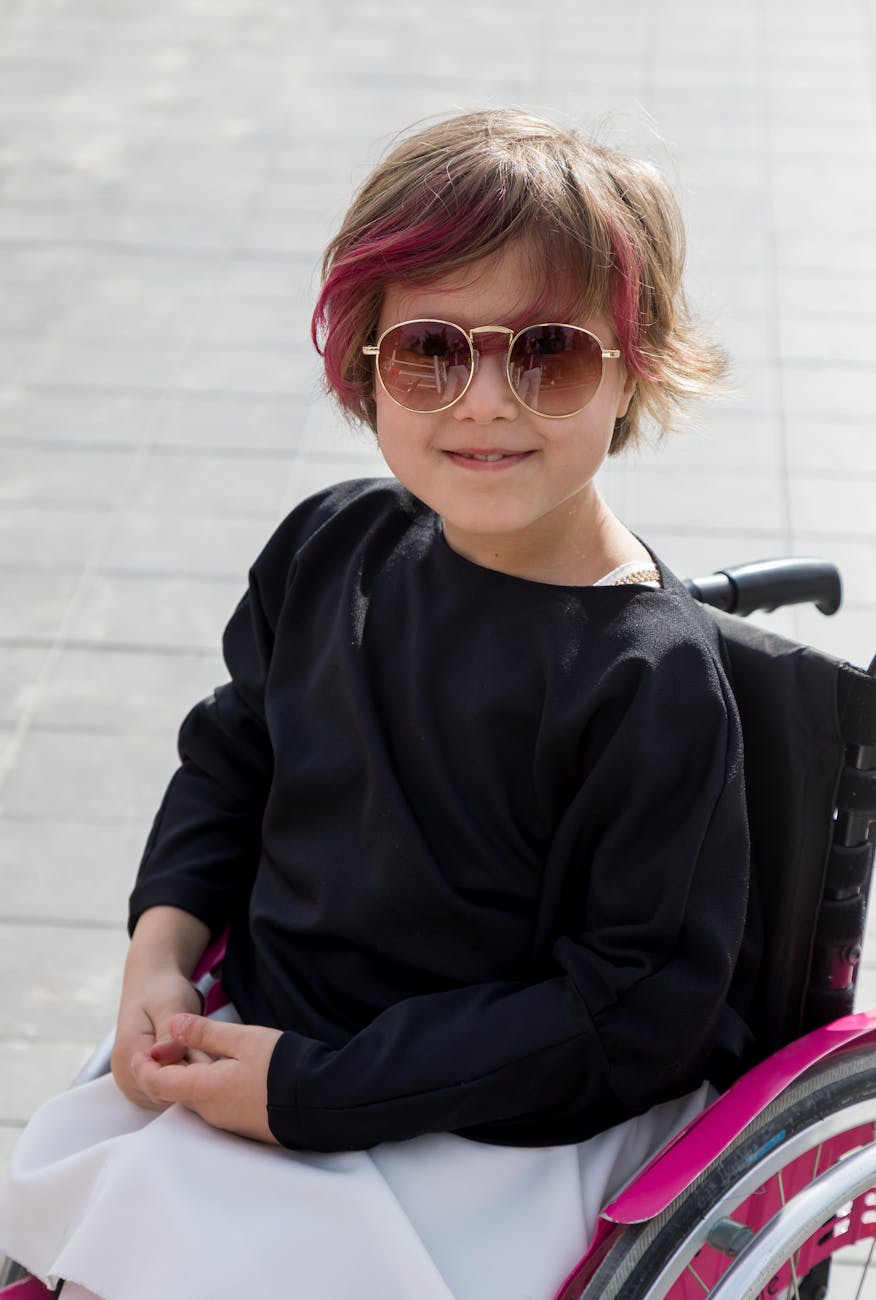
Inclusion is more than just a policy—it’s a practice that shapes the culture of a classroom.
For all students, meaningful inclusion goes beyond physical placement in a general education room.
It’s about ensuring all students have the tools, supports, and opportunities to truly participate in daily classroom life.
When classrooms embrace inclusion, everyone benefits.
All students deserve to have an experience that includes belonging and growth, while developing empathy, collaboration, and respect for diversity.
Teachers, in turn, should be the leaders in fostering communities built on equity and compassion.
Shifting From Presence to Participation

Too often, inclusion is viewed as simply “having students with disabilities in the room.”
But presence alone is not enough.
True inclusion is about participation—where all students are active contributors in learning activities, social interactions, and classroom routines.
This shift requires teachers to ask:
Do all students have a meaningful role in this activity?
Do all students have the tools they need to participate?
Are their peers learning from and alongside one another?
Practical Strategies for Everyday Inclusion
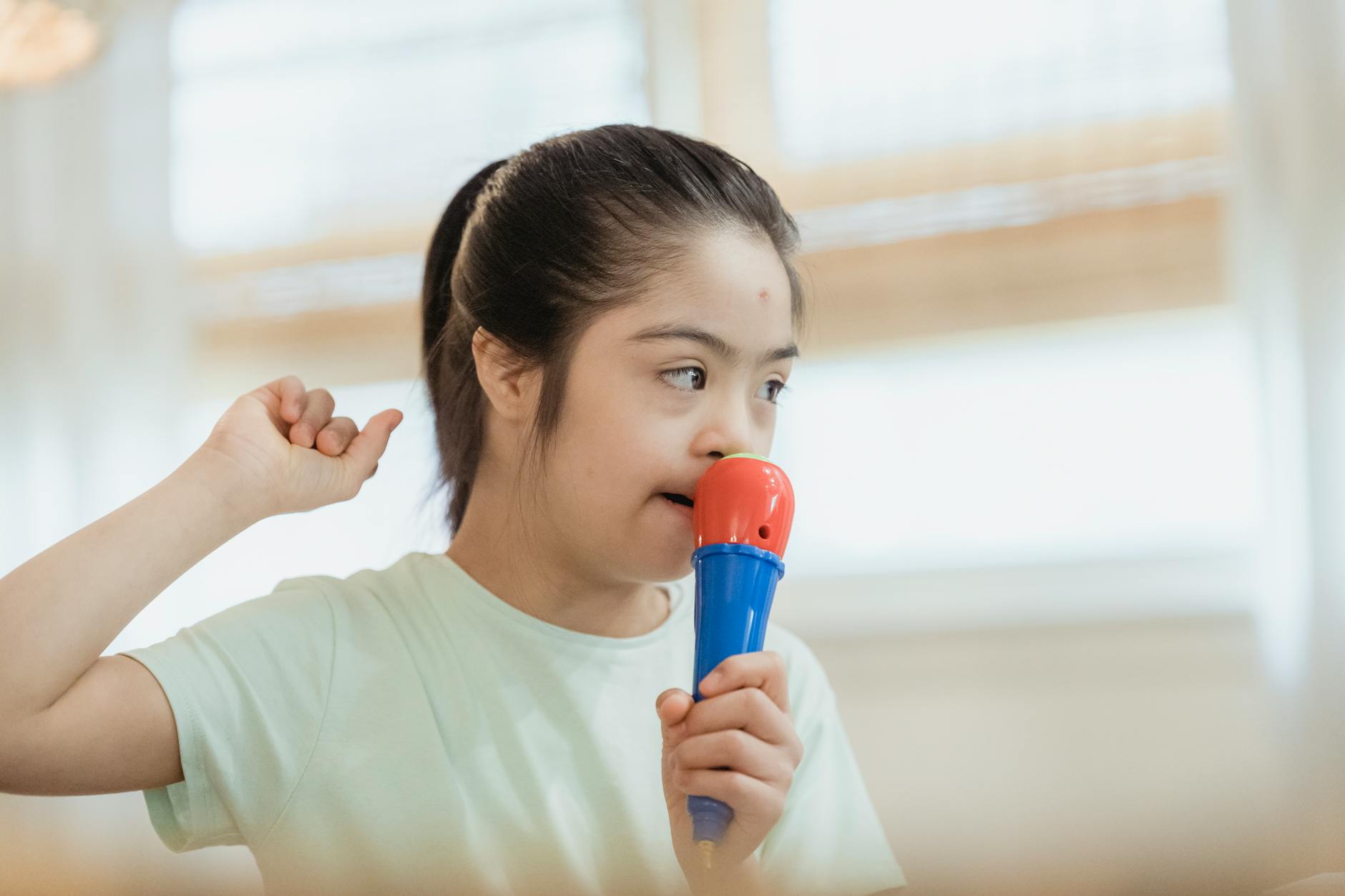
Here are six ways educators can meaningfully include all students in daily classroom life:
1. Adopt an Inclusive Mindset
Inclusion starts with belief.
Teachers who embrace the mindset that every student can learn and contribute naturally create opportunities for participation.
This approach shifts the focus from deficits to strengths and helps students feel valued as part of the classroom community.
2. Differentiate Instruction
Students may need material presented in different ways.
Differentiation ensures access for all by:
- Using visuals, models, and hands-on materials.
- Offering multiple ways to complete assignments (drawing, speaking, typing, building).
- Breaking tasks into manageable steps.
- Allowing additional time where needed.
These strategies support diverse learners while enhancing understanding for the entire class.
3. Build Inclusive Routines
Classroom routines provide structure and predictability, which benefit all students.
Inclusion can be embedded into routines such as:
Assigning classroom jobs so every student has responsibility.
Using morning meetings to ensure each student’s voice is heard, even those students who are non speaking.
Incorporating sensory or movement breaks for all students.
When inclusion is part of the daily rhythm, it becomes natural and sustainable.

4. Encourage Peer Connections
Peer relationships are at the heart of meaningful inclusion.
Teachers can foster them by:
- Creating mixed-ability groups for projects.
- Encouraging “buddy systems” for transitions and activities.
- Teaching students about empathy, kindness, and acceptance.
When peers view each other as partners, not just classmates, inclusion flourishes.
5. Collaborate With Specialists and Families
General education teachers don’t have to do this alone.
Collaborating with special educators, occupational therapists, and speech-language pathologists provides strategies and tools tailored to individual students.
Families are also invaluable partners who bring insights about their child’s strengths, needs, and motivators.
6. Celebrate Differences
In an inclusive classroom, differences are recognized as strengths.
Celebrate the unique ways students contribute—whether it’s creativity, problem-solving, humor, or persistence.
Creating a culture that values diversity ensures all students feel proud of who they are.
The Ripple Effect of Inclusion

When all students are meaningfully included, the entire classroom community changes for the better:
- Students thrive academically and socially when they feel a sense of belonging.
- Peers learn empathy and collaboration, preparing them for diverse communities beyond school.
- Teachers grow professionally, developing skills in differentiation, collaboration, and creative problem-solving.
Research shows that inclusive classrooms raise the bar for everyone.
Final Thoughts
The inclusion of all students in everyday classroom life is not just a legal requirement; it’s a commitment to equity and belonging.
By adopting inclusive mindsets, differentiating instruction, embedding participation into routines, and fostering peer connections, educators create classrooms where every student can thrive.
At SuperKids Pediatric Consulting, I help schools design inclusive, sensory-friendly, and empowering classrooms.
Contact me today to learn how I can support your district in making everyday inclusion a reality.

 SuperKids Pediatric Consulting Services