

In many classrooms, students are introduced to the concept of whole body listening.
This framework, originally created by a speech-language pathologist in the 1990s, is meant to teach children that listening is more than just using their ears.
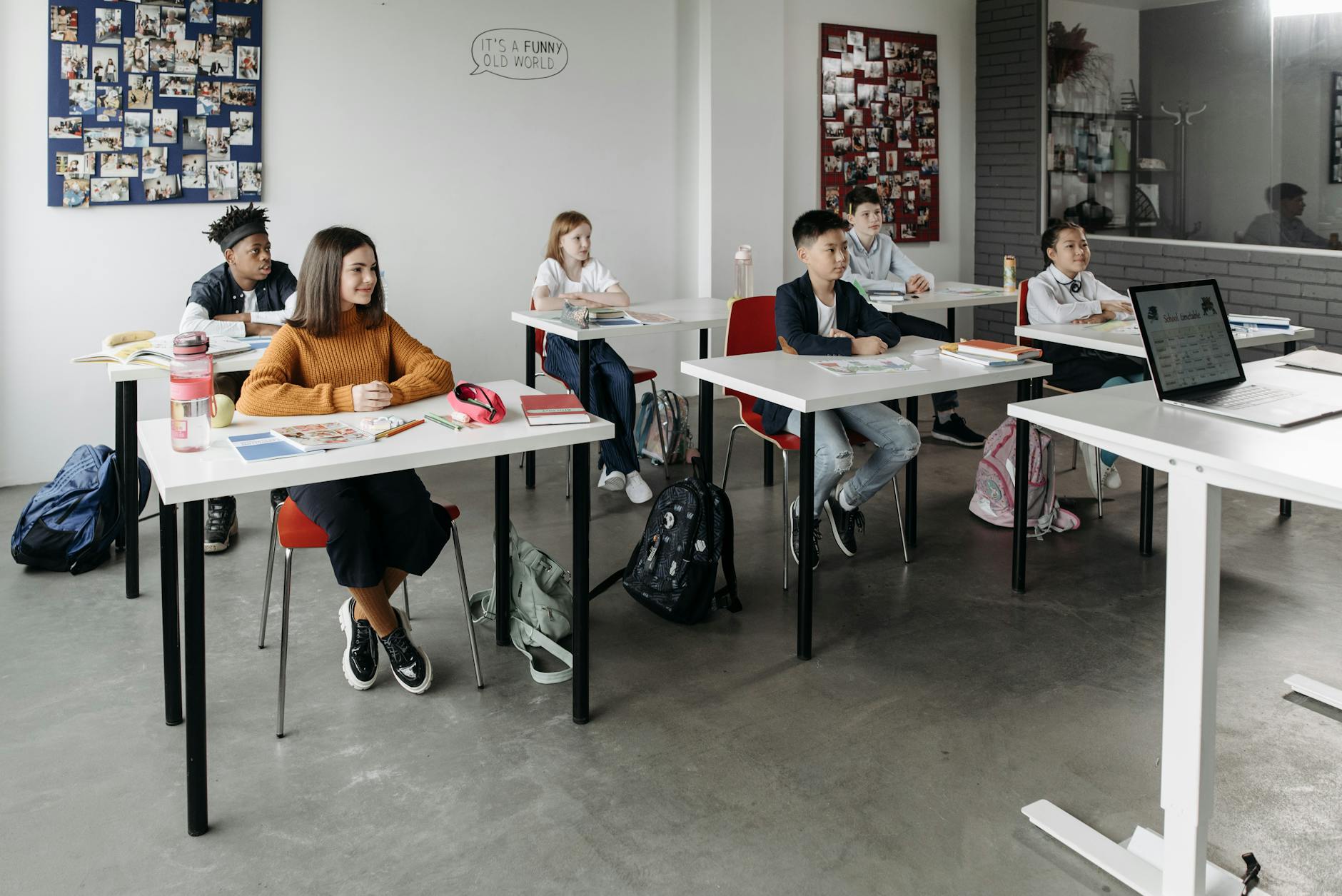
Posters and visuals often remind students that listening involves “quiet hands,” “still feet,” “eyes looking at the speaker,” and “mouth closed.”
For some children, these reminders may seem helpful.
They break down social expectations into clear, concrete steps.
However, for many kids—especially those who are neurodivergent, have sensory processing differences, or simply learn in diverse ways—whole body listening can actually be counterproductive.
Here’s why this approach isn’t always beneficial, and what educators and parents can do instead.
1. It Confuses Attention with Compliance
Whole body listening often emphasizes outward signs of listening rather than actual engagement.
A child who is sitting perfectly still, with eyes glued to the speaker, may appear attentive, but this doesn’t necessarily mean they are processing the information.
Conversely, a child who is doodling, fidgeting with a pencil, or looking away might actually be listening deeply.
By insisting on a rigid posture, we risk prioritizing compliance over true attention and understanding.
This can send the wrong message to kids: that “looking like you’re listening” is more important than actually listening.
2. It Can Be Exclusionary for Some Students
Students with ADHD, autism, or sensory processing differences often need movement, breaks in eye contact, or other self-regulation strategies to stay engaged.
For example:
A child with ADHD may focus best while standing, bouncing, or playing with a fidget tool.
A child with autism may find eye contact distracting or even overwhelming.
A child with sensory sensitivities may not be able to sit still without becoming dysregulated.
For these students, whole body listening is not just unhelpful—it can feel impossible.
It reinforces a message that their natural way of engaging with the world is “wrong,” which can harm self-esteem and discourage authentic participation.
3. It Increases Anxiety and Cognitive Load
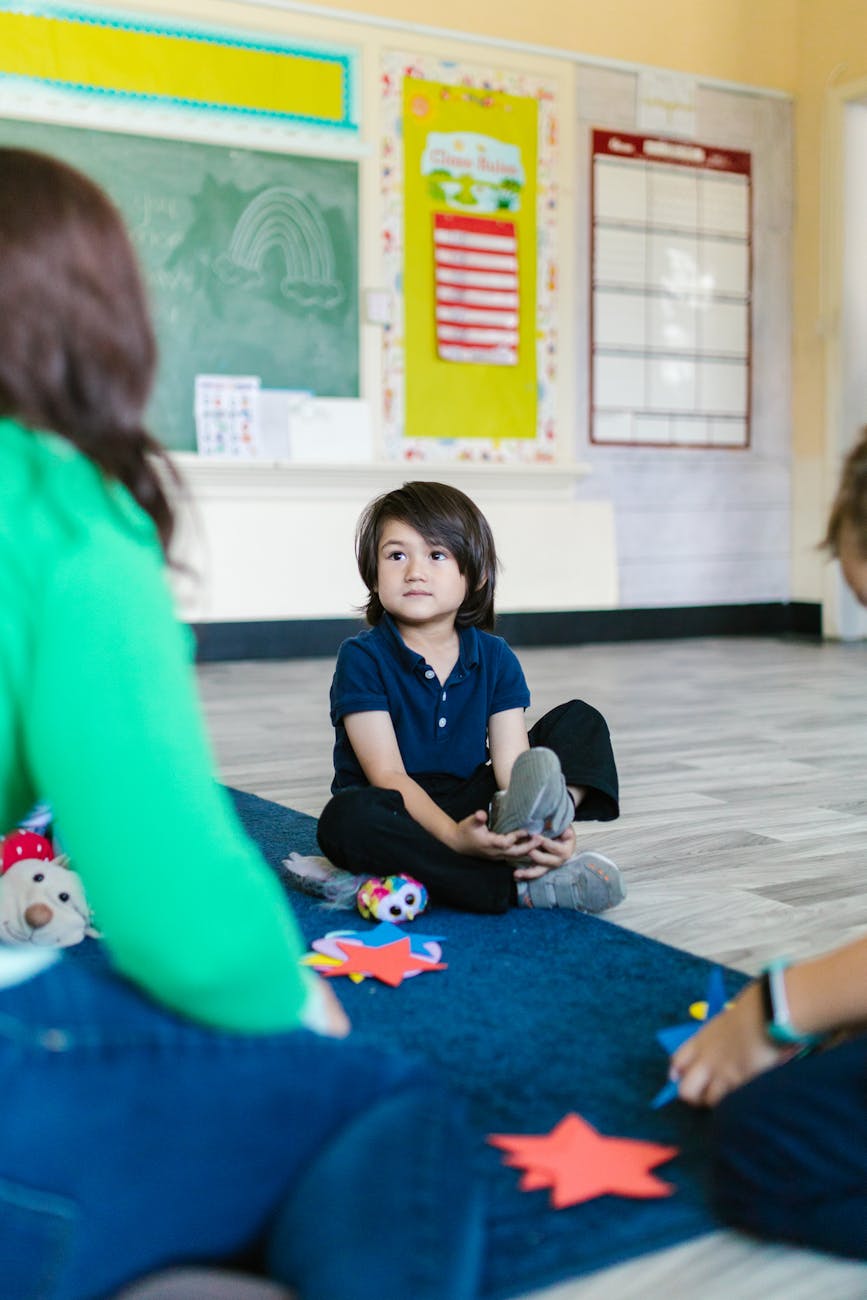
When children are asked to control every part of their body in order to show they are listening, their mental energy gets split between “How do I look?” and “What am I supposed to be learning?”
Instead of being able to relax and focus on content, they are monitoring themselves constantly—keeping their hands still, feet quiet, and eyes forward.
This extra cognitive load can actually reduce comprehension.
For children who already struggle with attention, executive functioning, or self-regulation, the added pressure can lead to frustration, anxiety, or shutdowns.
4. It Ignores Cultural and Individual Communication Styles
Not all cultures or families define “good listening” the same way.
In some cultures, direct eye contact with adults may be considered disrespectful.
In others, children are encouraged to move while learning or to engage in parallel play while listening.
By enforcing one rigid standard, whole body listening overlooks these cultural variations and risks pathologizing behaviors that are perfectly natural in a child’s home environment.
5. It Misses Opportunities to Teach True Listening Skills
Listening is about understanding and connecting—not about stillness.
When we focus narrowly on body control, we miss opportunities to help children practice the real skills that make listening meaningful:
- Active engagement: asking questions, paraphrasing, and making connections.
- Self-awareness: knowing what helps them focus best (e.g., doodling, moving, or sitting quietly).
- Respectful interaction: taking turns, responding thoughtfully, and recognizing when someone else needs space to share.
These skills foster lifelong communication abilities, far beyond the classroom.

What to Do Instead
If whole body listening doesn’t serve all students, what can educators and caregivers use instead? Here are some alternatives:
Teach flexible listening strategies.
Instead of prescribing one posture, help children discover what helps them attend.
This might include standing, drawing, or using a sensory tool.
Focus on outcomes, not appearances.
Measure listening by a child’s ability to respond, recall, or engage with information—not by how still they look.
Model respectful communication.
Demonstrate turn-taking, eye contact when comfortable, and ways to show interest through questions and comments.
Normalize different listening styles.
Create classroom conversations about how everyone learns and listens differently, reducing stigma for kids who need movement or breaks.

Final Thoughts
Whole body listening was developed with good intentions, but it doesn’t reflect the wide variety of ways children learn, listen, and engage.
For some kids, especially those who are neurodivergent, it can feel more like a set of impossible rules than a supportive tool.
When we shift away from rigid expectations and toward flexible, individualized strategies, we empower children to participate authentically and confidently.
True listening isn’t about stillness—it’s about connection, understanding, and respect.
Call to Action
Whole body listening doesn’t work for every child—and that’s okay.
Some kids have unique sensory needs and attention challenges that make traditional listening strategies unrealistic.
Whether you’re a parent at home or a teacher in the classroom, shifting from compliance to sensory-friendly listening strategies, you can foster real connection, engagement, and learning by making a few changes.
Want more practical tips and classroom–ready tools to support attention and self-regulation? Contact me and get fresh strategies each week to help kids thrive.
 SuperKids Pediatric Consulting Services