When a child is melting down—crying, yelling, or completely shutting down—it’s easy to assume they’re being “difficult” or “disrespectful.”
But beneath those behaviors lies something much deeper: a nervous system signaling distress.
In moments like this, logic and reasoning take a back seat.
What the child needs most isn’t a lecture—it’s connection.
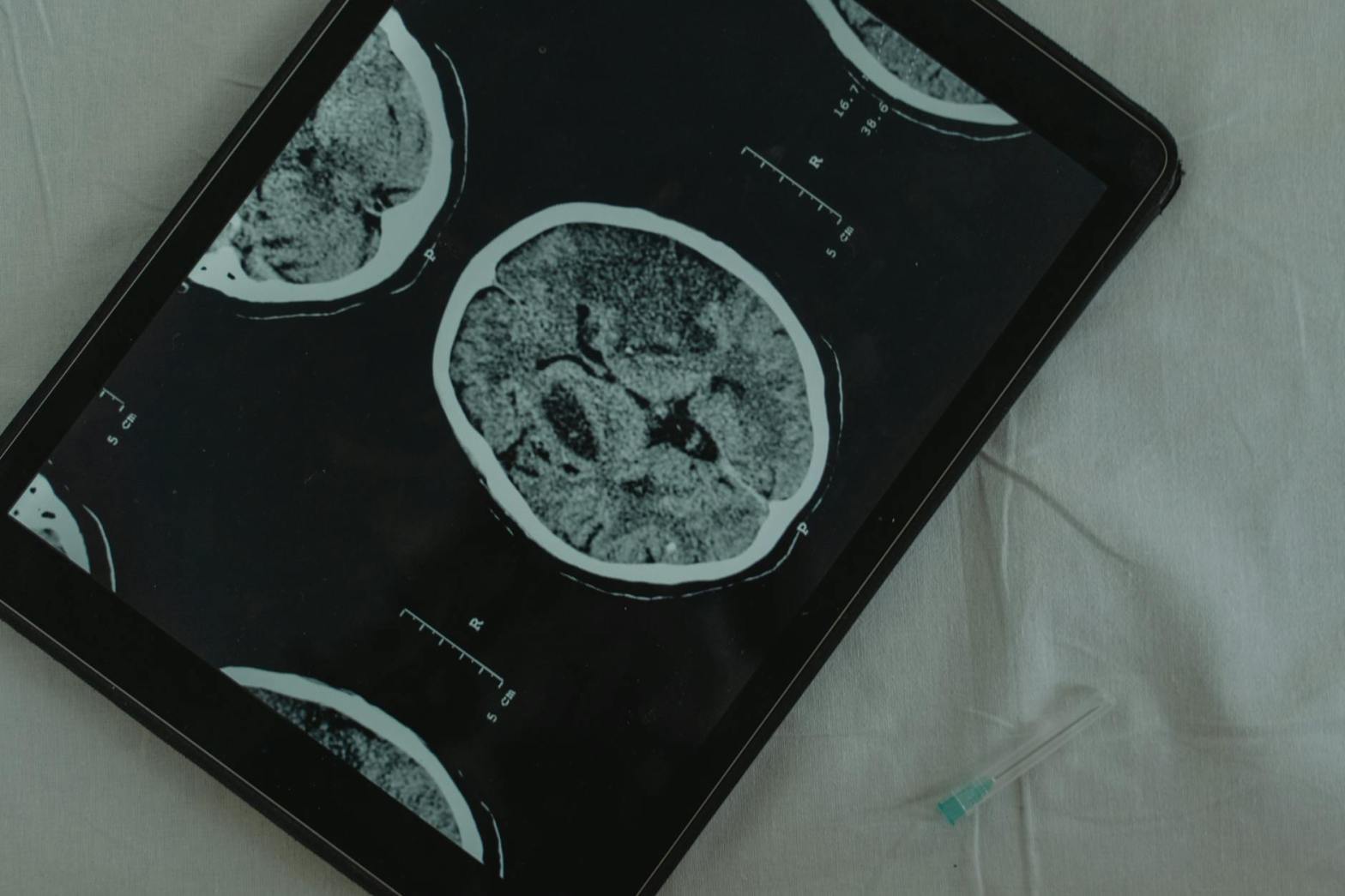
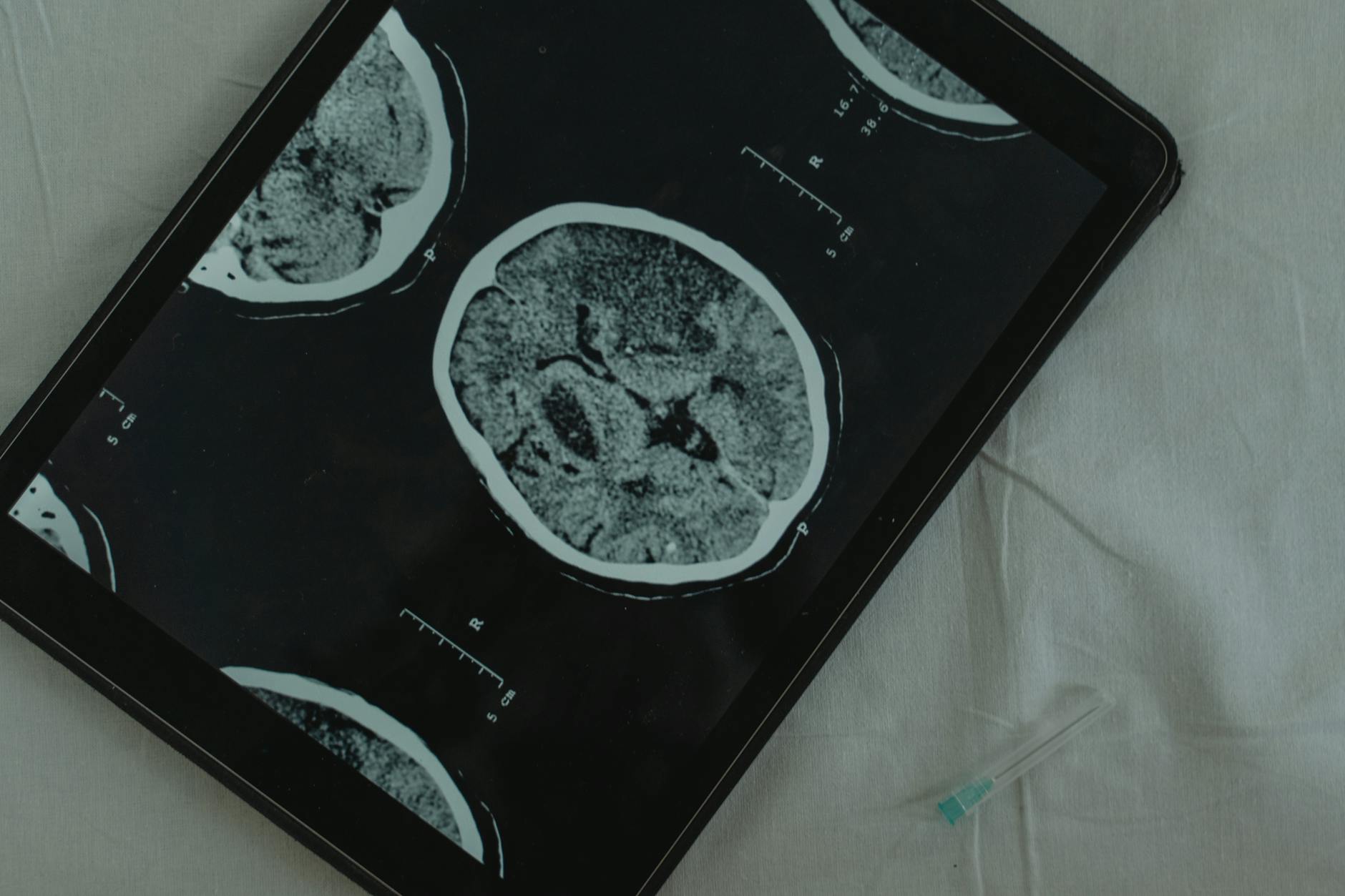
Understanding how connection calms the amygdala, the brain’s emotional alarm system, can completely change the way adults respond to challenging behaviors.
It helps us move from reacting to regulating, and from punishment to teaching.
The Amygdala: The Brain’s Alarm System
The amygdala is a small, almond-shaped structure deep within the brain that plays a big role in emotional processing, especially fear and stress responses.
When the amygdala senses danger—whether real or perceived—it triggers the body’s fight, flight, or freeze response.
Heart rate increases, muscles tense, and the logical, thinking part of the brain (the prefrontal cortex) goes offline.
For children, this “alarm” can go off for reasons adults might not recognize as threats:
- A sudden loud noise
- A change in routine
- Feeling misunderstood or shamed
- Academic or social pressure
- Sensory overload
When the amygdala is activated, children literally cannot access reasoning or problem-solving skills.
They’re not being stubborn—they’re overwhelmed.

Why Connection Matters
Connection is the antidote to alarm.
Human brains are wired for co-regulation, meaning that children learn to calm their nervous systems through the presence of calm, attuned adults.
When we respond with empathy and safety instead of anger or control, we send a powerful message to the child’s brain: “You are safe. I am here with you.”
This sense of safety tells the amygdala that the threat has passed, allowing the nervous system to shift from survival mode back to learning and regulation.
What Connection Looks Like in Practice
Connection doesn’t mean permissiveness—it means creating safety before correction.
Here’s how adults can use connection to calm the amygdala in real-life situations:
Stay Regulated Yourself
Children borrow our calm before they can find their own.
Take a deep breath, lower your voice, and steady your body.
When your nervous system is calm, theirs can begin to mirror it.
Use a Gentle Tone and Body Language
Soften your voice and get down to the child’s level.
Harsh tones or towering over a child can feel threatening to an already activated nervous system.
Validate Emotions Without Judgment
Statements like “You’re really mad right now” or “That was a big surprise for your body” communicate understanding, not dismissal.
This validation alone can begin to calm the stress response.
Offer Predictability and Choice
The amygdala loves predictability.
Simple choices like “Would you like to take a break at your desk or the calm corner?” help restore a sense of control.
Engage the Senses
Grounding sensory input—like deep breathing, gentle rocking, or firm pressure through a weighted lap pad—activates the parasympathetic nervous system, signaling safety to the brain.
Connection begins in the body before it reaches the mind.
When children feel physically and emotionally safe, the amygdala quiets, and the prefrontal cortex can re-engage.
What Happens When We Skip Connection
When adults respond to dysregulated behavior with punishment, yelling, or isolation, the amygdala stays on high alert.
The child’s body remains flooded with stress hormones, making it even harder to regulate.
Repeated activation of this stress cycle can lead to chronic anxiety, avoidance behaviors, or oppositional reactions—not because a child wants to misbehave, but because their brain has learned that adults are not safe when they’re struggling.
By contrast, repeated co-regulation experiences—where adults stay calm and connected during tough moments—help wire the brain for safety and trust.
Over time, children internalize this regulation and begin to calm themselves more effectively.

The Occupational Therapy Perspective
From an occupational therapy standpoint, co-regulation and connection are foundational to self-regulation skills.
A child cannot learn to self-regulate if they have never experienced what calm feels like in a safe relationship.
Occupational therapists help children and caregivers identify the sensory and emotional triggers that activate the amygdala, then build regulation plans that include:
Sensory tools (like fidgets, deep pressure, or rhythmic movement)
Emotional vocabulary building
Safe space routines
Caregiver co-regulation strategies
When these supports are in place, the child’s brain learns that calm and safety are achievable states—even during stress.
The Science of Safety and Connection
Neuroscience confirms what many caregivers intuitively know: connection heals.
When we connect with a child through eye contact, gentle tone, and empathy, we activate the vagus nerve—a key player in the body’s “rest and digest” system.
This shifts the body away from stress and toward safety.
The amygdala quiets, cortisol levels drop, and oxytocin (the bonding hormone) rises.
The brain moves from survival to learning, from protection to growth.
Final Thoughts
Connection isn’t just kindness—it’s neuroscience.
When adults stay calm, attuned, and compassionate in the face of big behaviors, they literally help reshape a child’s brain.
The next time a child is overwhelmed, remember: your calm presence is more powerful than any consequence or lecture.
By connecting first and teaching second, you help quiet the amygdala and build the foundation for lifelong emotional regulation.

Call To Action
When kids feel connected, their brains feel safe—and that’s when real growth begins.
Building connection isn’t about letting go of boundaries; it’s about creating safety so learning and regulation can happen.
If this message resonated with you, share it with another parent or educator who’s working to understand the “why” behind big behaviors.
Contact me and together, we can shift the focus from control to connection—one calm brain at a time.
 SuperKids Pediatric Consulting Services