
Why Handwriting Matters
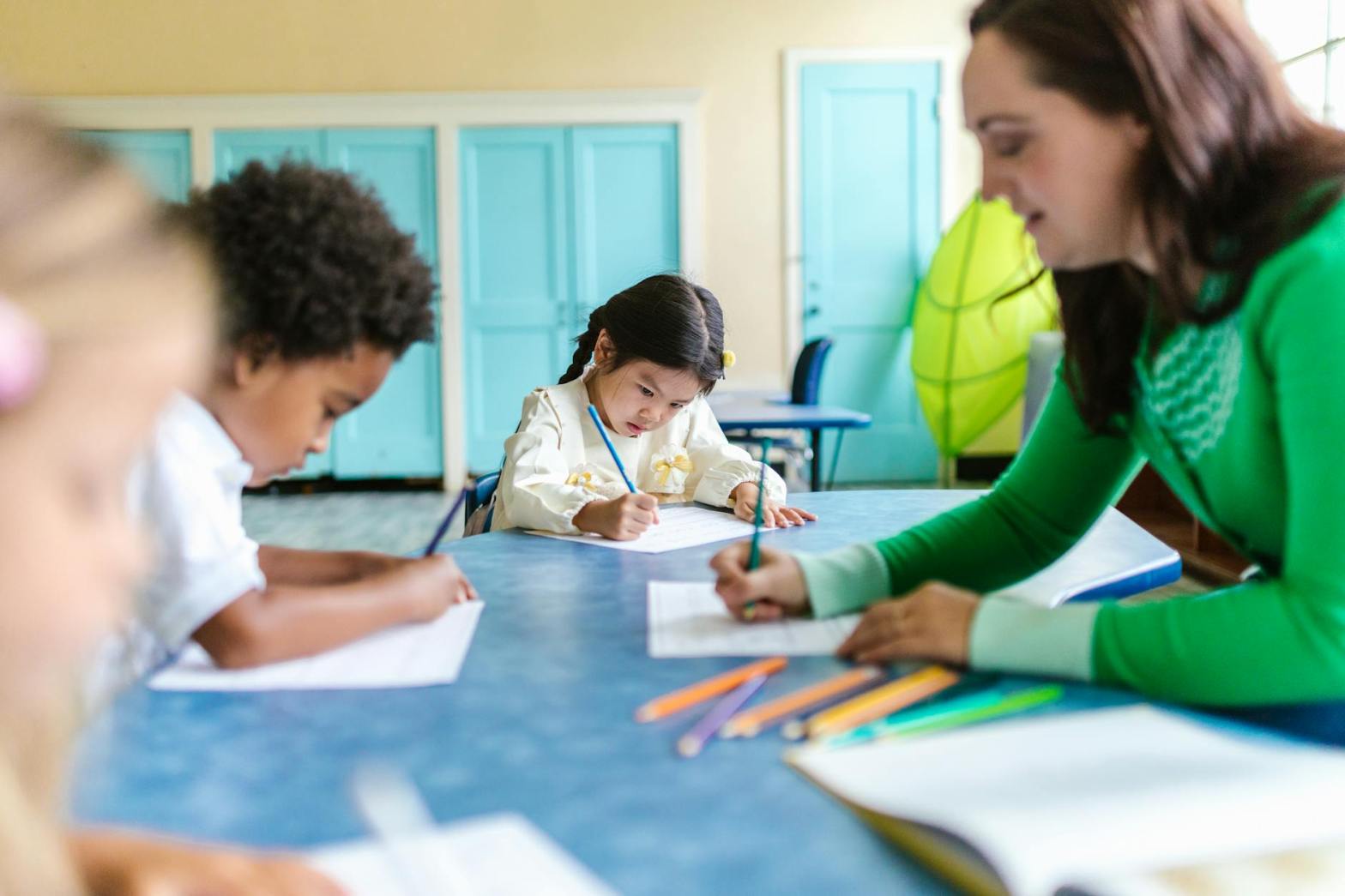
Even in the age of technology, handwriting remains a foundational skill for children.
Writing by hand is linked to reading, spelling, memory, and overall academic success.
But for many children, handwriting can be frustrating and exhausting.
Teachers and parents often ask: Why is handwriting so hard for some kids?
The answer isn’t always simple—handwriting involves fine motor skills, visual perception, posture, sensory processing, and cognitive organization.
When one of these areas is challenged, writing may suffer.
Here are the top 10 issues affecting children’s handwriting and what they might look like in the classroom.

1. Poor Posture and Core Strength
Strong posture is the foundation of good handwriting.
Children who lack core stability may slump in their chairs, rest their heads on their desks, or tire quickly when writing.
Weak core muscles make it harder to control the arms and hands, leading to messy or illegible handwriting.
2. Weak Fine Motor Skills
Handwriting depends on the small muscles of the hands and fingers.
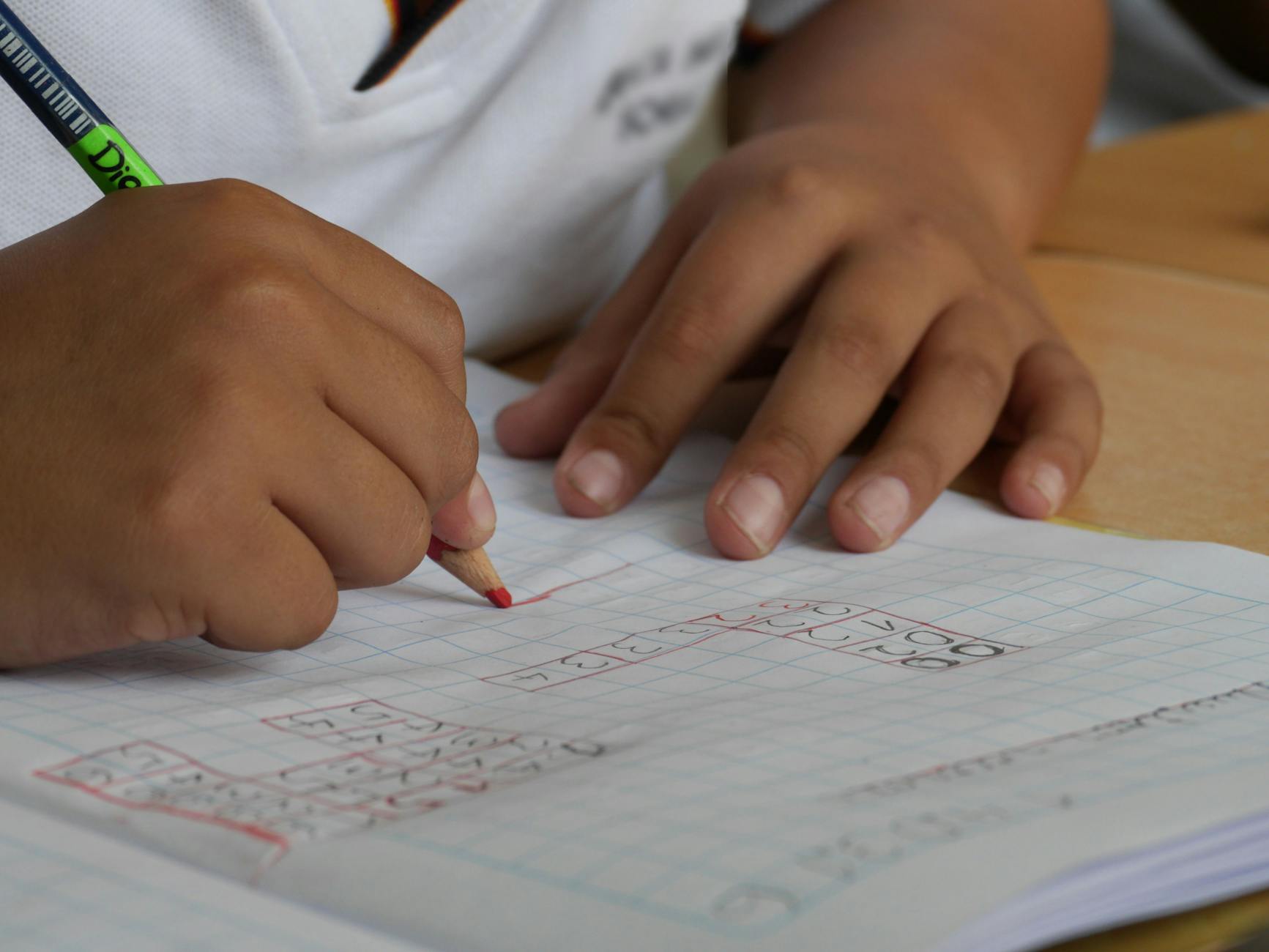
Kids with weak fine motor skills may struggle to hold a pencil properly, press too hard or too lightly, or fatigue quickly during writing tasks.
This can result in uneven letter sizes or inconsistent spacing.
3. Poor Pencil Grip
While there are many variations of “functional” grips, some grips make writing inefficient or uncomfortable.
Children with immature pencil grips may hold the pencil too tightly, use awkward finger positions, or switch grips often.
This impacts writing speed, neatness, and endurance.
4. Visual-Motor Integration Difficulties
Handwriting requires the eyes and hands to work together.
Children with visual-motor challenges may struggle to copy from the board, align letters on a line, or space words evenly.
Their work may appear disorganized, even when they know what they want to write.

5. Letter Formation Difficulties
Some children never master consistent letter formation.
They may reverse letters, form them from the bottom up, or forget how to start a letter.
Over time, these habits can slow writing speed and make writing harder to read.
6. Slow Processing Speed
Handwriting is not only a motor task but also a cognitive one.
Children with slow processing speed may know what they want to say but struggle to get it on paper quickly.
This can affect note-taking, timed assignments, and overall academic performance.
7. Attention and Focus Challenges
Writing requires sustained attention to detail.
Children with ADHD or attention challenges may skip letters, forget to space words, or rush through assignments.
Their handwriting may vary from neat to messy depending on focus levels.
8. Sensory Processing Issues
Sensory factors can strongly impact handwriting.
Some children are overly sensitive to pencil textures or paper feel, while others crave heavy pressure and press too hard when writing.
Sensory challenges can lead to fatigue, frustration, and inconsistent writing output.
9. Language and Cognitive Skills
Handwriting difficulties aren’t always about motor skills.
Sometimes children struggle with spelling, sentence organization, or memory.
These challenges can affect fluency, making it difficult for kids to keep up with written work even if their motor skills are strong.
10. Lack of Practice and Motivation
Like any skill, handwriting improves with practice.
In today’s tech-driven world, children may spend less time writing by hand.
Without consistent practice, even children without underlying difficulties may have slower, less efficient handwriting skills.
Motivation also plays a role—if writing feels hard, kids may avoid it, reinforcing the cycle.

How Occupational Therapy Can Help
When handwriting challenges persist, an occupational therapist (OT) can help.
OTs evaluate fine motor skills, posture, sensory needs, and visual-motor integration to identify root causes.
They then provide targeted interventions, such as:
Strengthening fine motor and core muscles.
Teaching efficient pencil grips.
Practicing multisensory letter formation strategies.
Supporting attention and self-regulation skills.
Recommending adaptive tools (slant boards, pencil grips, weighted pencils).
By addressing both physical and cognitive factors, occupational therapy helps children build the skills and confidence needed for handwriting success.
Final Thoughts
Handwriting is a complex task influenced by posture, fine motor skills, vision, attention, and more.
Understanding the top 10 issues affecting children’s handwriting helps parents and educators identify when extra support is needed.
If your child or students are struggling with handwriting, don’t wait—early intervention makes a big difference.
At SuperKids Pediatric Consulting, I provide guidance, training, and strategies to help children develop the skills they need for handwriting and beyond.
Contact me today to get started.
 SuperKids Pediatric Consulting Services