As teachers know, managing a classroom is about much more than academics.
For many students, the classroom can feel overwhelming—whether from sensory input, social interactions, or the pressure of learning itself.
That’s why having a toolbox of calming strategies for the classroom is essential for teachers, support staff, and even students themselves.
These strategies not only reduce stress but also create a more positive learning environment for everyone.
Below are 10 effective, evidence-informed calming strategies you can implement in your classroom today.
1. Deep Breathing Exercises
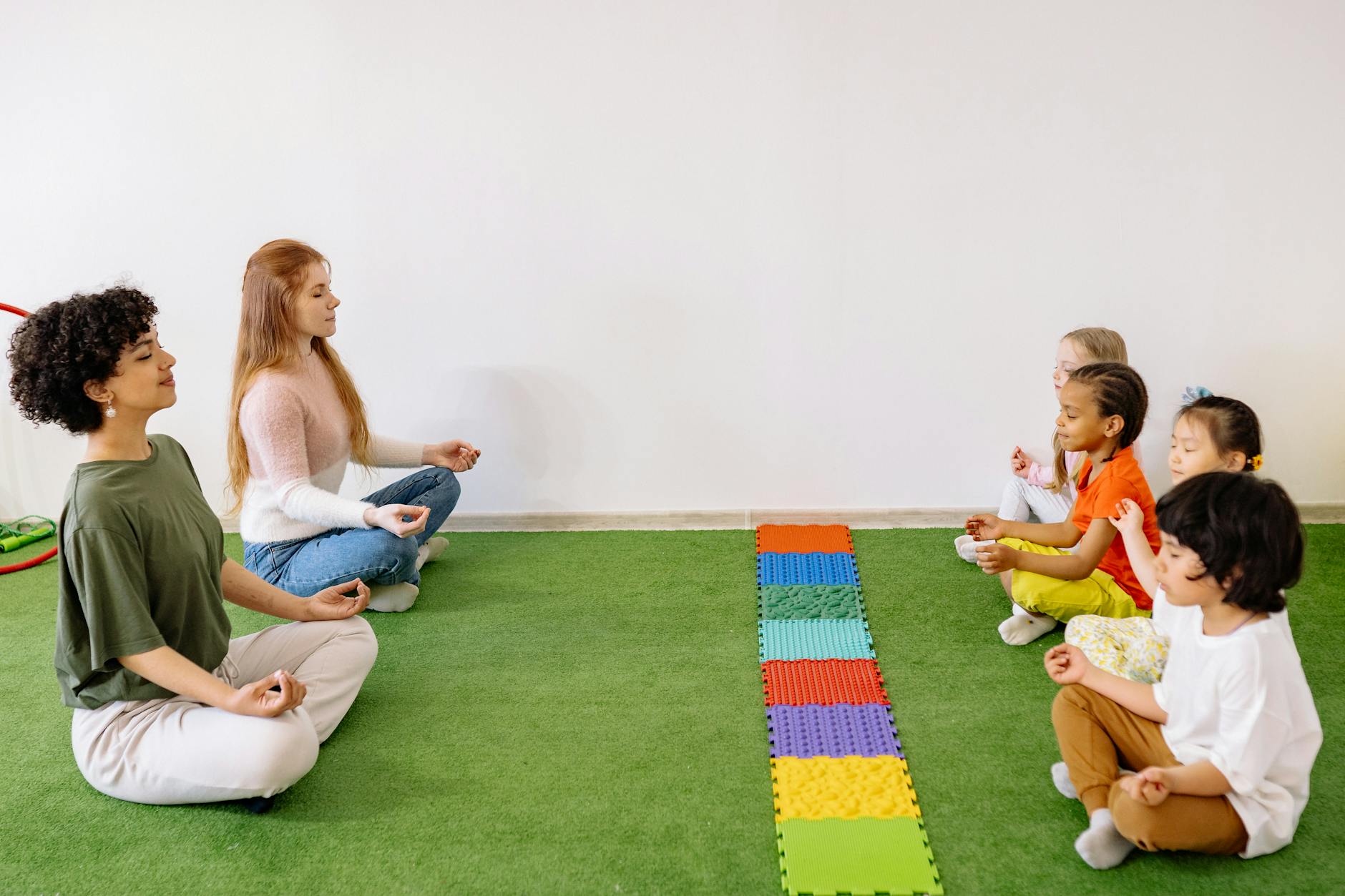
Simple breathing activities can do wonders for calming the nervous system.
Teaching students techniques like “square breathing” (inhale for four, hold for four, exhale for four, hold for four) helps them slow down, regulate emotions, and refocus.
You can lead the class in a short breathing break before tests, after recess, or during transitions.
2. Calm Corners
A calm corner (or peace corner) is a designated spot in the classroom where students can go when they need a break.
Stock it with sensory tools such as stress balls, weighted lap pads, noise-canceling headphones, or visual timers.
This gives students a safe, stigma-free space to reset before rejoining activities.
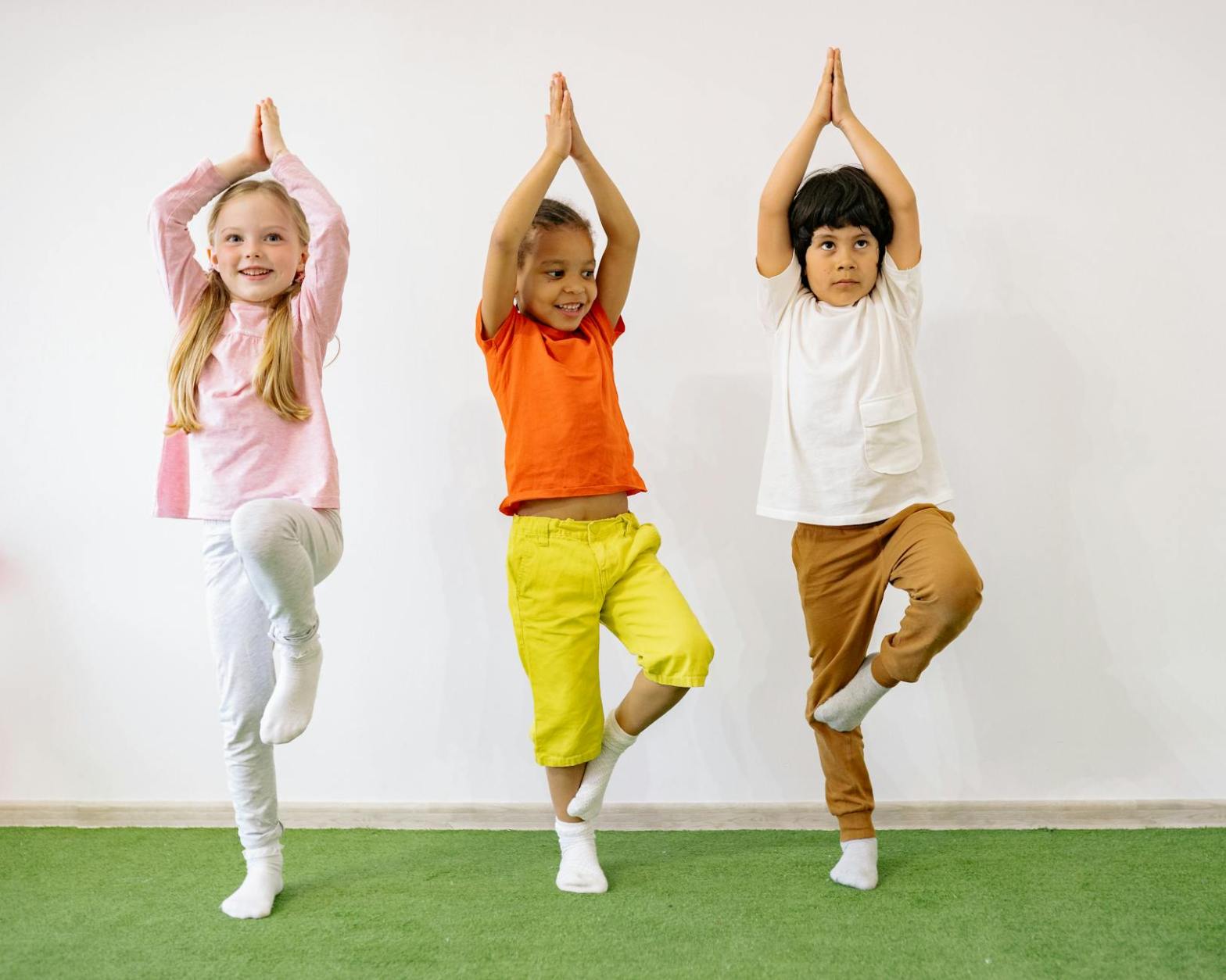
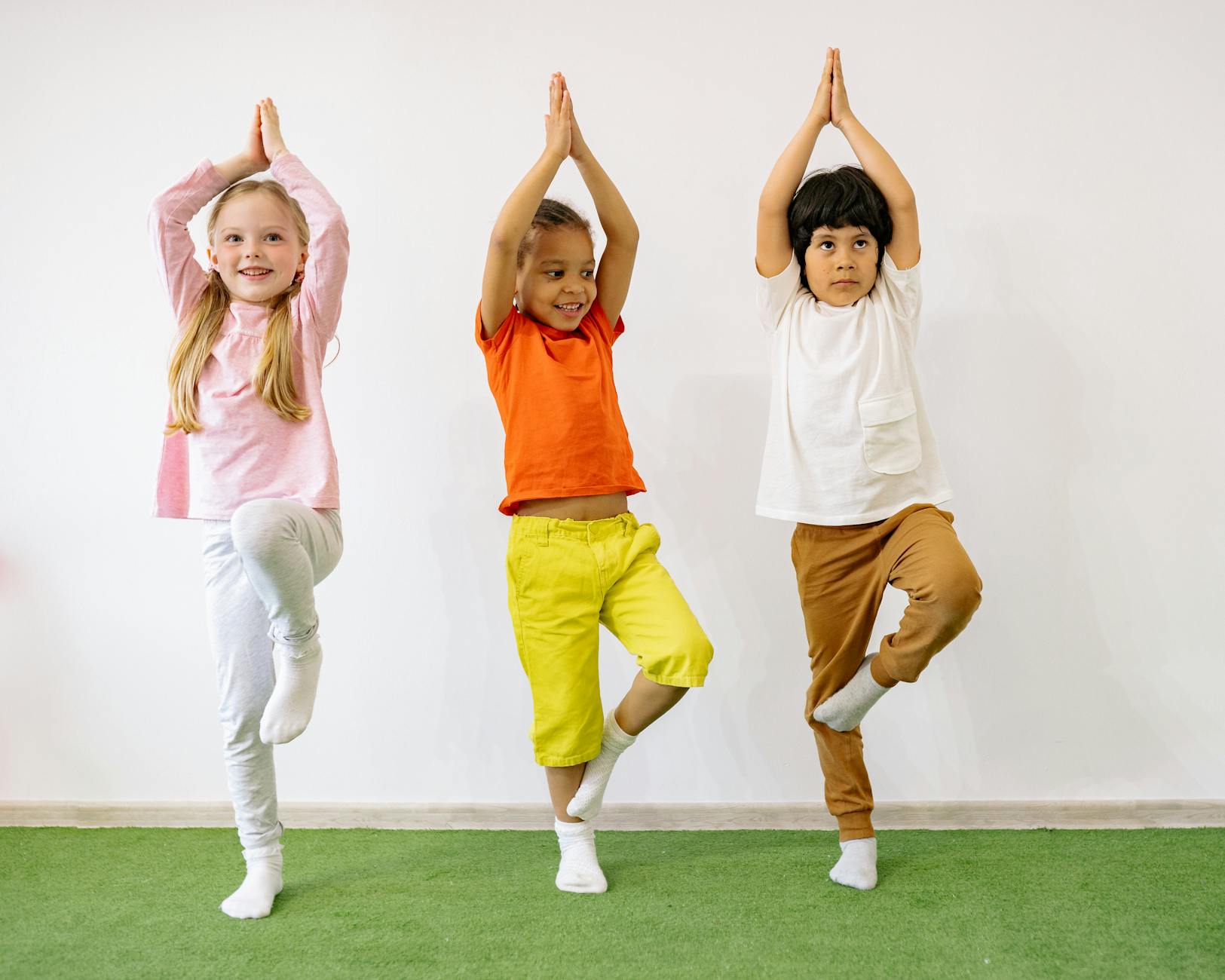
3. Mindful Movement
Movement is a powerful way to release stress.
Incorporate gentle stretching, yoga poses, or brain breaks throughout the day.
Activities like “stretch to the ceiling,” “roll your shoulders,” or “pretend you’re a tree swaying in the wind” can help students reconnect with their bodies while calming their minds.
4. Guided Imagery
Visualization exercises can help students calm down and refocus.
Try leading a short activity where students close their eyes and imagine a peaceful place, like the beach or a quiet forest.
You can pair this with soft background music or nature sounds for added effect.
5. Sensory Strategies
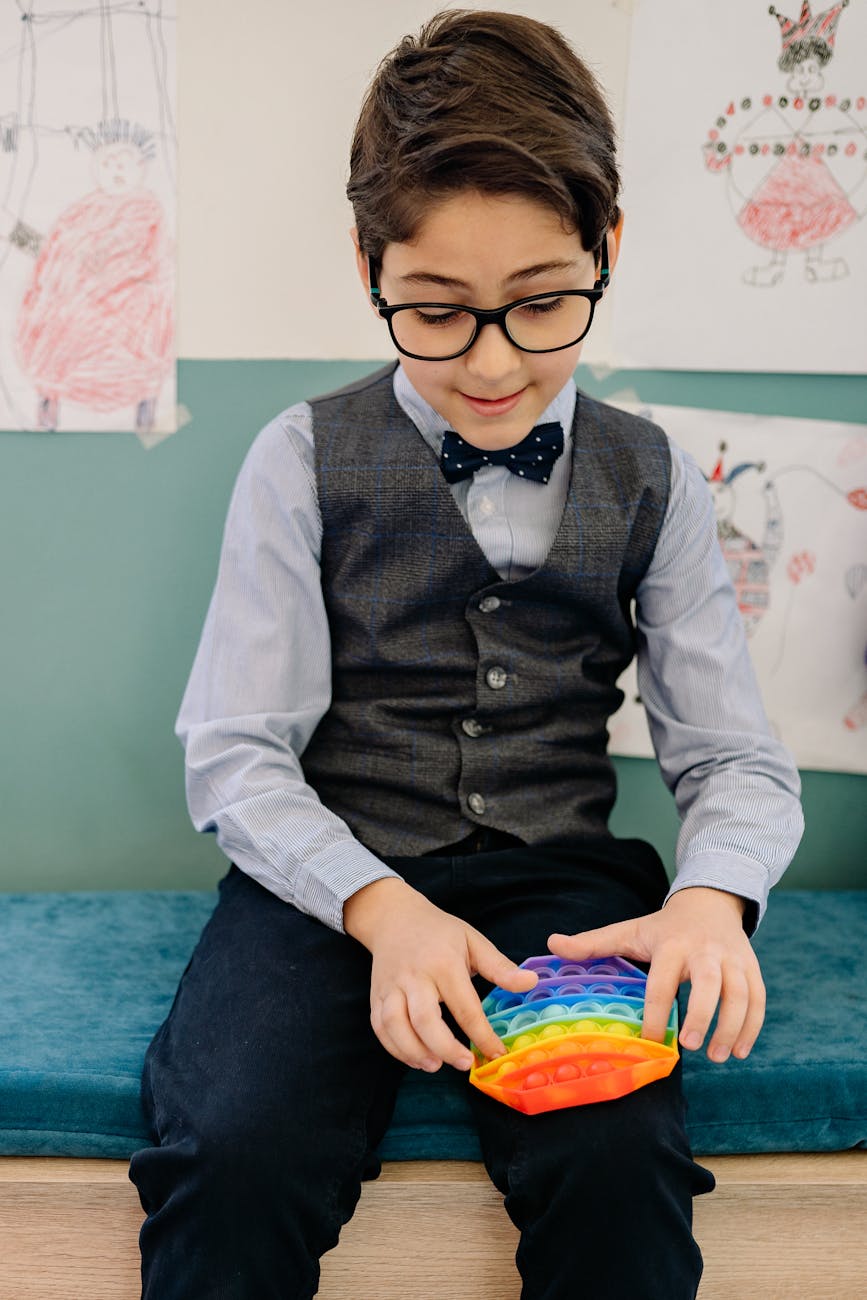
For students who become dysregulated, sensory input can be grounding.
Provide fidget tools, textured objects, or putty to keep hands busy.
Other students may benefit from quiet auditory input, like white noise or calming music.
Having a sensory toolkit available supports different regulation needs in the classroom.
6. Journaling or Drawing
Giving students a chance to write or draw when they feel upset can help them express emotions safely.
Keep blank notebooks, sketch pads, or coloring pages accessible.
This strategy not only calms students but also provides insight into how they’re feeling.
7. Positive Affirmations
Words have power.
Teaching students simple affirmations such as “I can handle this,” “I am calm,” or “I am safe” can help them manage stress and build resilience.
You can post affirmations on the classroom wall, practice them together, or encourage students to create their own.
8. Structured Breaks
Some students need short, structured breaks throughout the day to remain regulated.
A quick walk in the hallway, a drink of water, or a chance to deliver a note to the office can serve as calming strategies.
These breaks help prevent frustration from escalating into bigger challenges.
9. Music and Sound
Music has the power to transform the mood of a room.
Playing soft, calming background music during quiet work time can create a peaceful environment.
For transitions, you might also use a calming chime, bell, or rain stick instead of a loud verbal cue.
10. Teacher Modeling
Perhaps the most powerful calming strategy in the classroom is teacher modeling.
When students see their teacher taking deep breaths, speaking in a calm tone, and managing stress effectively, they learn to mirror those behaviors.
You don’t have to be perfect—just showing students how you regulate yourself teaches them valuable life skills.

Why Calming Strategies Matter
When classrooms incorporate calming strategies, students are better able to learn, collaborate, and problem-solve.
These approaches don’t just help during stressful moments—they also foster long-term skills like self-awareness, emotional regulation, and resilience.
Teachers benefit, too, with smoother classroom management and less time spent addressing behavior challenges.
Final Thoughts
Creating a calm classroom doesn’t happen overnight, but small, consistent strategies can make a big difference.
Whether it’s a breathing exercise, a calm corner, or simply modeling regulation yourself, these tools empower students to manage their emotions and thrive in the classroom environment.
By weaving in these 10 calming strategies for the classroom, you’ll not only reduce stress but also build a culture of safety, respect, and focus.
Every child deserves to learn in an environment where they feel calm, supported, and ready to succeed.
Call to Action
Looking for more support? Contact me today for guidance on implementing these techniques and creating a positive, productive classroom environment.
 SuperKids Pediatric Consulting Services