

Teaching children new skills is an important part of both parenting and education.
From handwriting to self-care tasks, adults often want to “help” by guiding a child’s hands through the motions.
This is known as hand-over-hand assistance.
While it may feel supportive, research and clinical experience show that this method is not the most effective way to teach kids.
In fact, it can slow skill development and reduce independence.
This post will explore why hand-over-hand assistance doesn’t work, the challenges it creates, and better alternatives that truly support children in learning new skills.
What Is Hand-Over-Hand Assistance?
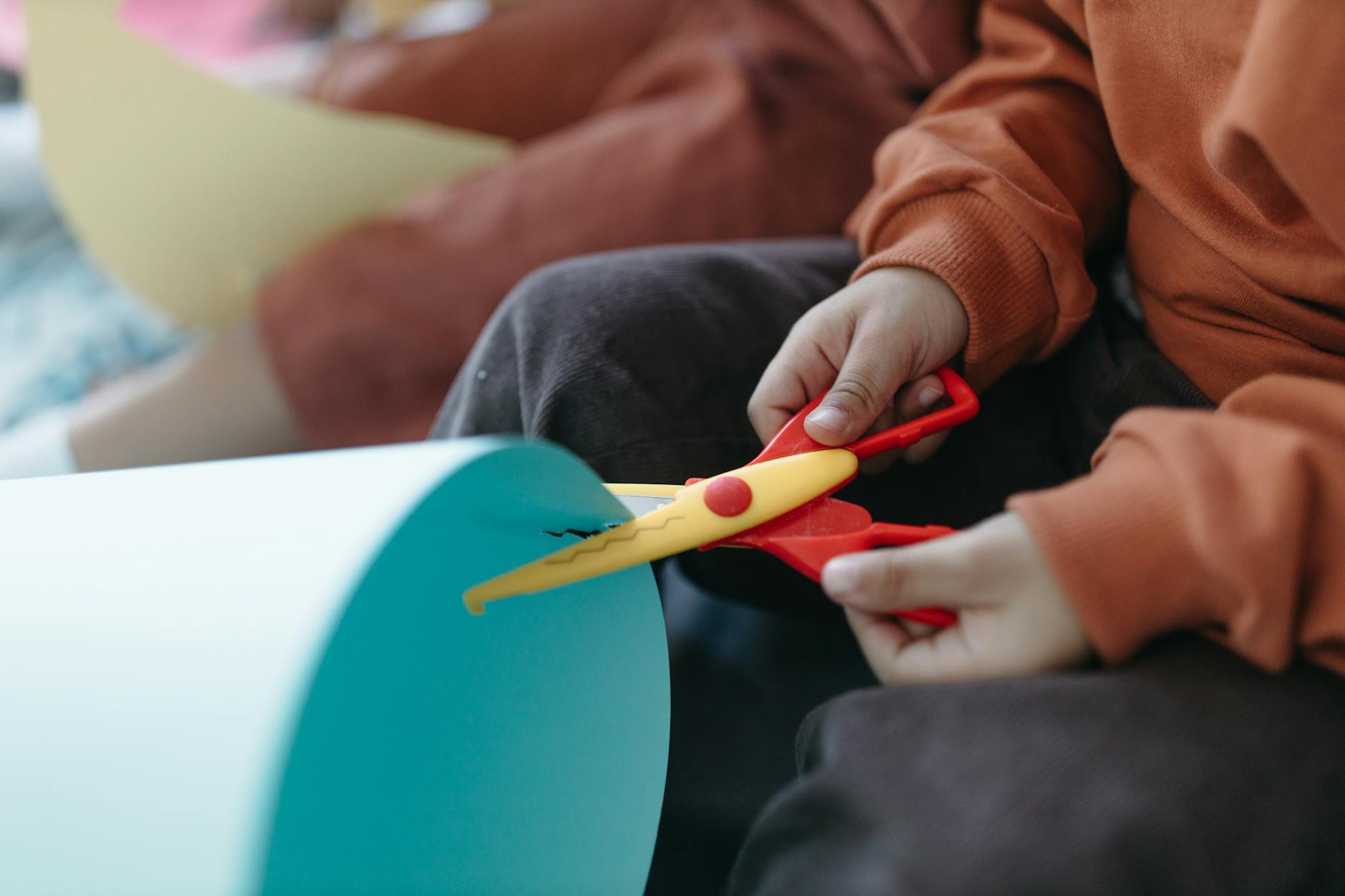
Hand-over-hand (HOH) assistance happens when an adult places their hand directly over a child’s hand to guide movements—like holding a pencil, cutting with scissors, or brushing teeth.
The adult is moving the child’s hand for them rather than allowing the child to control the motion.
On the surface, this may seem like a teaching tool.
But in reality, it bypasses how children actually learn: through active engagement, trial and error, and independent practice.
Why Hand-Over-Hand Assistance Is Not Effective
1. It Limits Motor Learning
Children develop motor skills through repetition and problem-solving.
When an adult does the movement for them, the child’s brain doesn’t fully process the sequence of actions.
This prevents them from creating the neural connections needed for long-term skill mastery.
2. It Reduces Independence
One of the main goals of teaching is to help kids become more independent.
With frequent HOH use, children may begin to rely on adults instead of learning how to complete tasks themselves.
This dependency makes it harder for them to build confidence and autonomy.
3. It Can Feel Overwhelming or Invasive
For children with sensory processing challenges, hand-over-hand can feel intrusive.
Having another person’s hand covering theirs may cause discomfort, stress, or resistance.
Instead of encouraging learning, HOH can create negative associations with the task.

4. It Removes Problem-Solving Opportunities
Making mistakes is part of learning.
When adults immediately step in with HOH, children miss the chance to experiment and discover solutions on their own.
For example, if a child struggles to button a shirt, trying different grips or hand positions teaches valuable problem-solving skills that HOH prevents.
5. It Encourages Passive Participation
Children learn best through active participation.
With hand-over-hand assistance, the child is being moved through the task rather than initiating it.
This creates a passive learning experience, which is less effective for skill-building and reduces motivation.
Effective Alternatives to Hand-Over-Hand Assistance
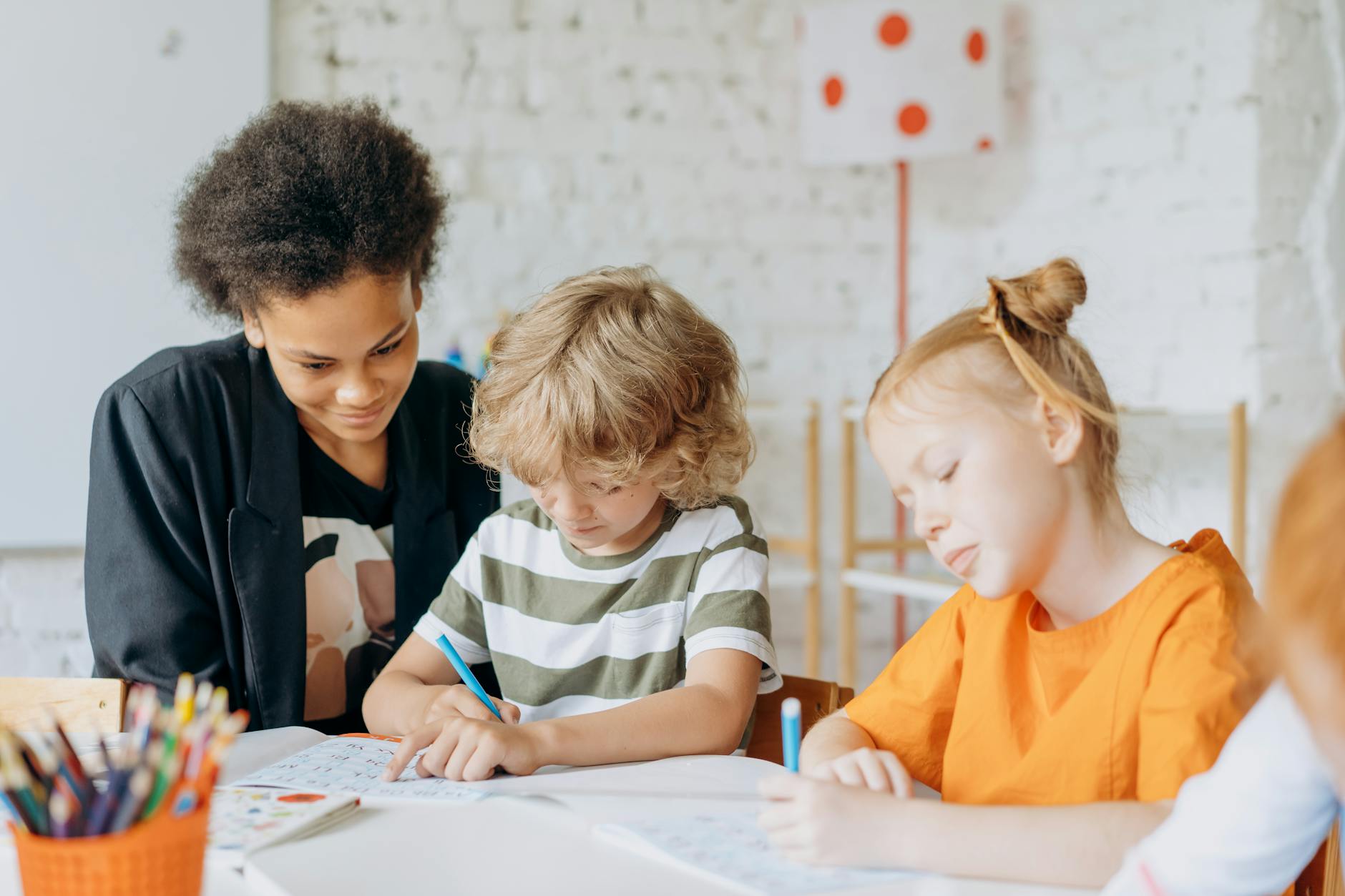
The good news is there are many strategies that promote learning without taking control away from the child.
These methods help kids build confidence and independence while still receiving support.
1. Hand-Under-Hand Support
Instead of covering the child’s hand, place your hand underneath.
This gives the child more control while still offering guidance.
It feels less invasive and empowers them to lead the movement.
2. Modeling
Demonstrate the skill yourself and let the child watch.
For example, show how to zip a jacket or hold a pencil correctly.
Children often learn best by seeing an example and then imitating it.
3. Verbal Cues
Use clear, simple instructions like “Pinch and flip the pencil” or “Thumbs up for scissors.”
Verbal prompts encourage kids to think about what they’re doing and adjust independently.
4. Visual Supports
Step-by-step charts, photos, or video modeling can guide children without the need for hands-on control.
Visuals are especially helpful for routines like handwashing or getting dressed.
5. Graded Assistance
Offer the least amount of support needed.
This might mean stabilizing the paper while the child cuts or giving a gentle tap on the wrist to adjust grip.
The idea is to provide just enough help without taking over the task.
6. Practice and Repetition
Children need time and space to practice skills.
Allowing for repetition—even if it means mistakes—strengthens learning and builds confidence over time.
Empowering Kids Through Independence
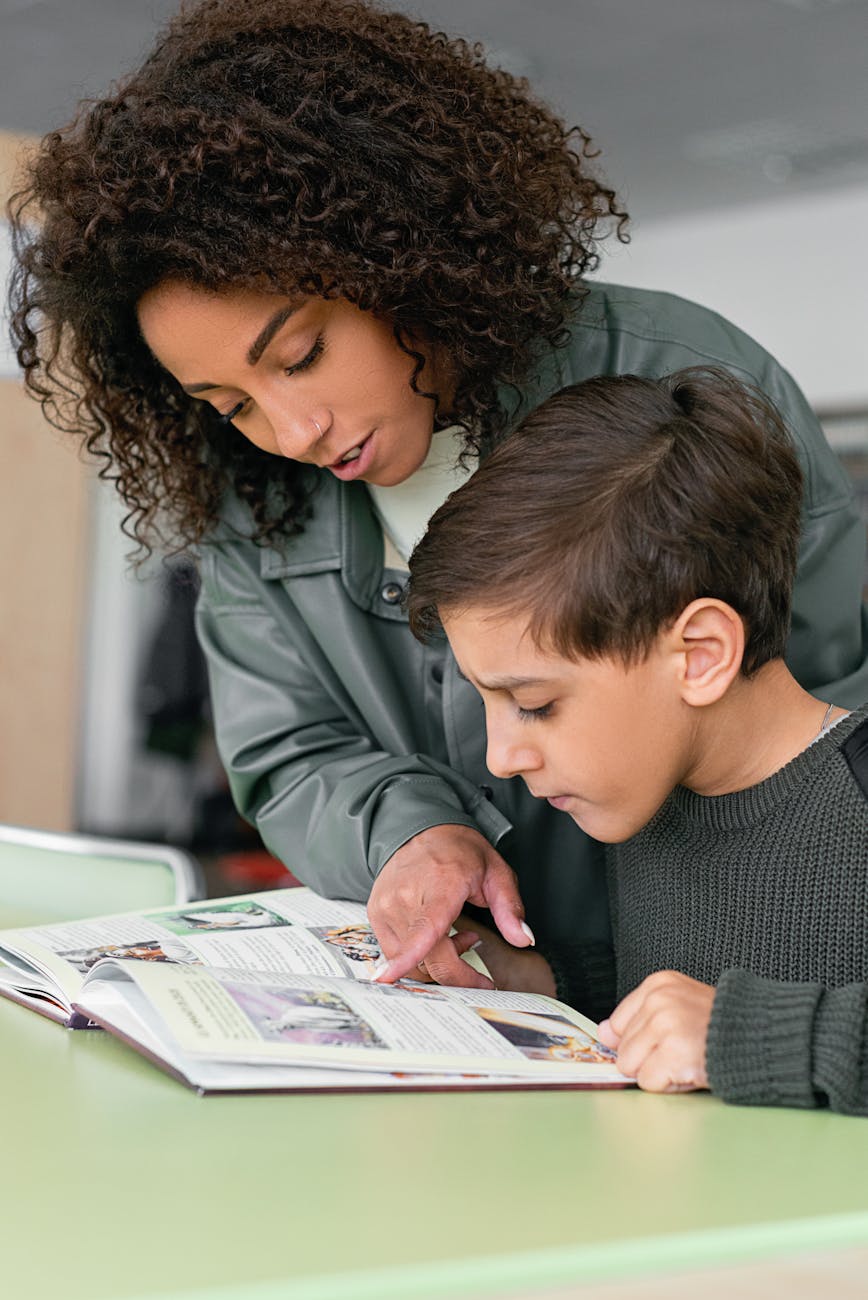
At its core, teaching is about empowering children to succeed on their own.
While hand-over-hand assistance might seem like a shortcut, it often slows down true learning.
By using strategies like modeling, verbal cues, and graded support, adults give children the tools to explore, problem-solve, and grow more independent.
When we trust children to take the lead, even if progress is slow, we send a powerful message: I believe in your ability to learn this skill.
That belief builds resilience, confidence, and a foundation for lifelong independence.
Call to Action
If you’re looking for practical, evidence-based strategies to help children build independence without relying on hand-over-hand assistance, I’d love to support you.
Reach out today to learn how I can help you create more effective learning opportunities at home or in the classroom.
 SuperKids Pediatric Consulting Services