
In today’s fast-paced, achievement-oriented world, it’s easy to feel pressure to push kids to start writing as early as possible.
Many parents beam with pride when their 3-year-old can write their name or copy letters.
Preschool programs often advertise early handwriting skills as a sign of kindergarten readiness.
But as a pediatric occupational therapist and consultant, I want to challenge this narrative and explain why introducing writing too early can do more harm than good.
Development Happens in Stages
Writing is a complex task that depends on the development of many foundational skills.
Before a child can write with accuracy and ease, they need to develop:
- Fine motor strength and control
- Visual-motor integration
- Postural stability
- Hand dominance and coordination
- Cognitive readiness
These foundational abilities take time to develop and mature, often well into the early elementary years.
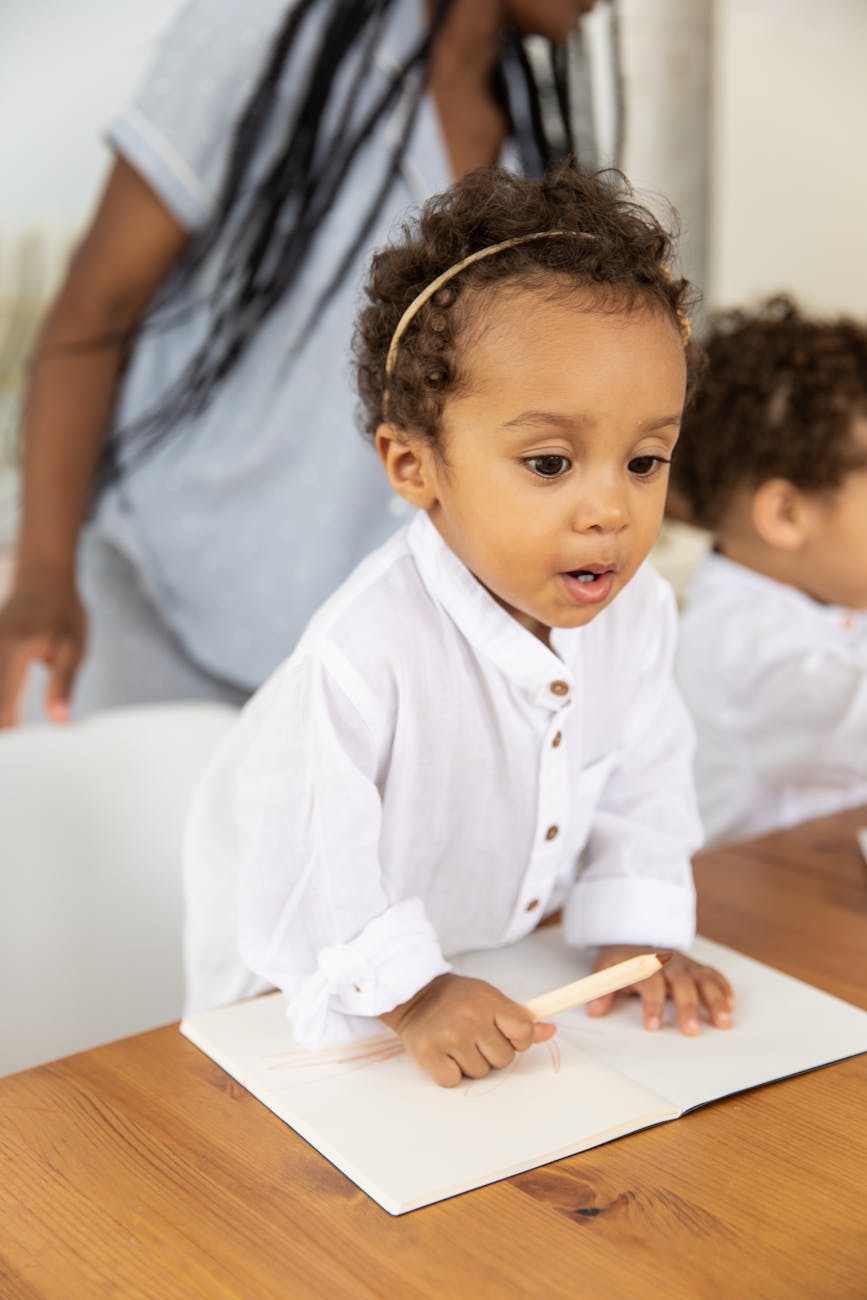
Expecting young children—especially toddlers and preschoolers—to write before these skills are in place can lead to frustration, poor habits, and even a dislike for writing later on.
The Problem With Pushing Writing Too Early
1. Leads to Compensatory Habits
When a child is asked to write before they’re physically ready, they often compensate.
You might notice awkward pencil grips, poor posture, excessive pressure, or slumped shoulders.
These are signs that a child’s body is not ready to support the task.
Over time, these habits become ingrained and difficult to correct, impacting writing endurance and legibility down the line.
2. Can Cause Avoidance and Anxiety
Writing should be an empowering form of expression, not a source of stress.
When children are pushed to write before they’re ready, they may associate the activity with failure or discomfort.
This can lead to anxiety, avoidance, and low self-esteem related to schoolwork and learning in general.
3. It Prioritizes Performance Over Play
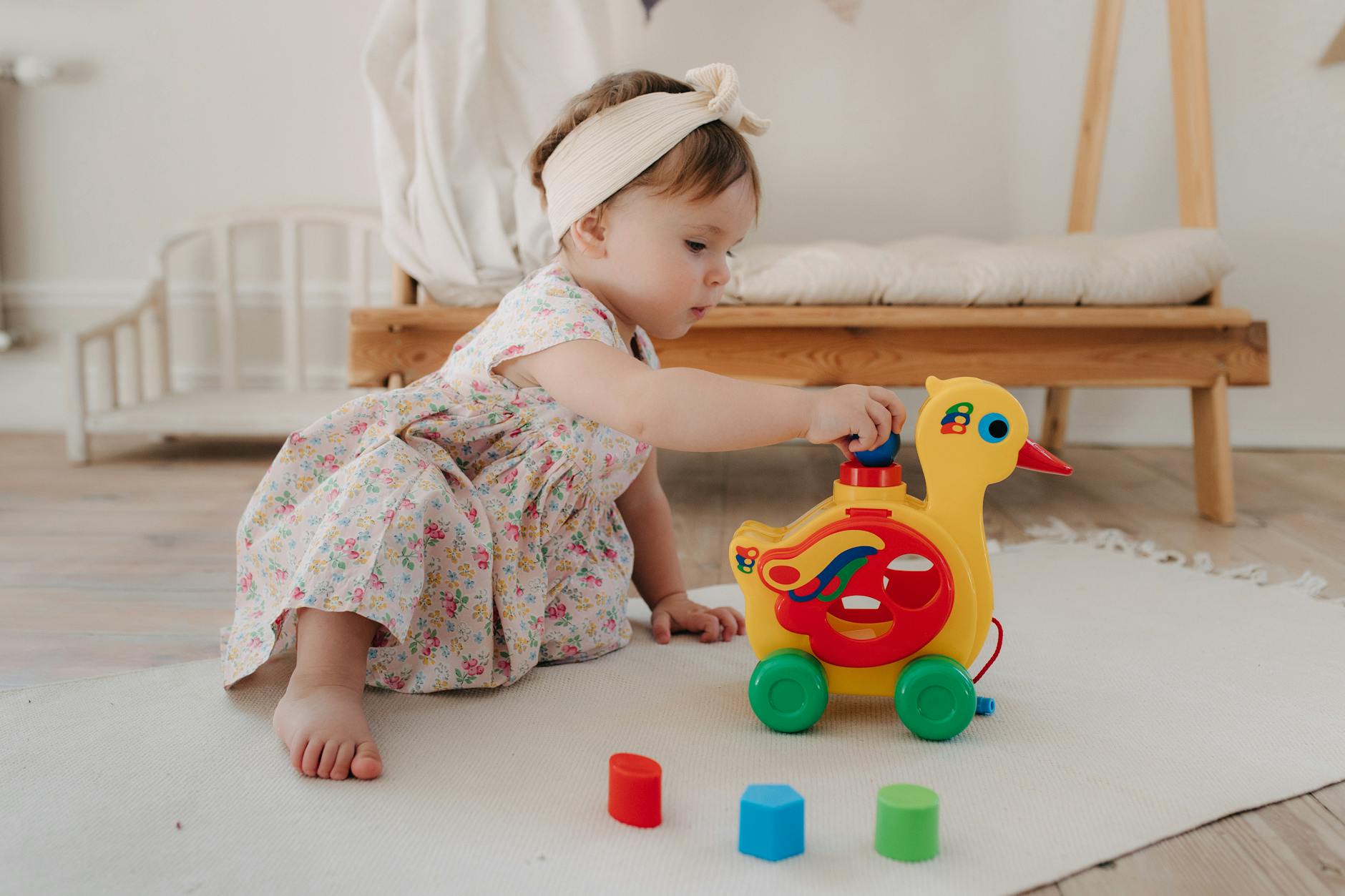
Play is the real work of childhood.
It’s how children learn about their bodies, develop motor skills, and build social and emotional competence.
Pushing writing too early often means replacing active, play-based learning with seated, paper-and-pencil tasks.
This not only stifles creativity but can also delay the development of the very skills that support writing later on.
4. Creates Unfair Expectations
Each child develops at their own pace.
When adults impose early writing milestones as universal standards, we risk labeling perfectly normal children as “behind.”
Instead of celebrating their strengths, we may inadvertently place them on a path of unnecessary intervention or comparison.
What Should Come First
Instead of focusing on handwriting in the preschool years, support your child’s readiness through developmentally appropriate activities that build the necessary skills in a playful, low-pressure way.
Here are some examples:
- Gross motor play: climbing, crawling, animal walks, wheelbarrow races
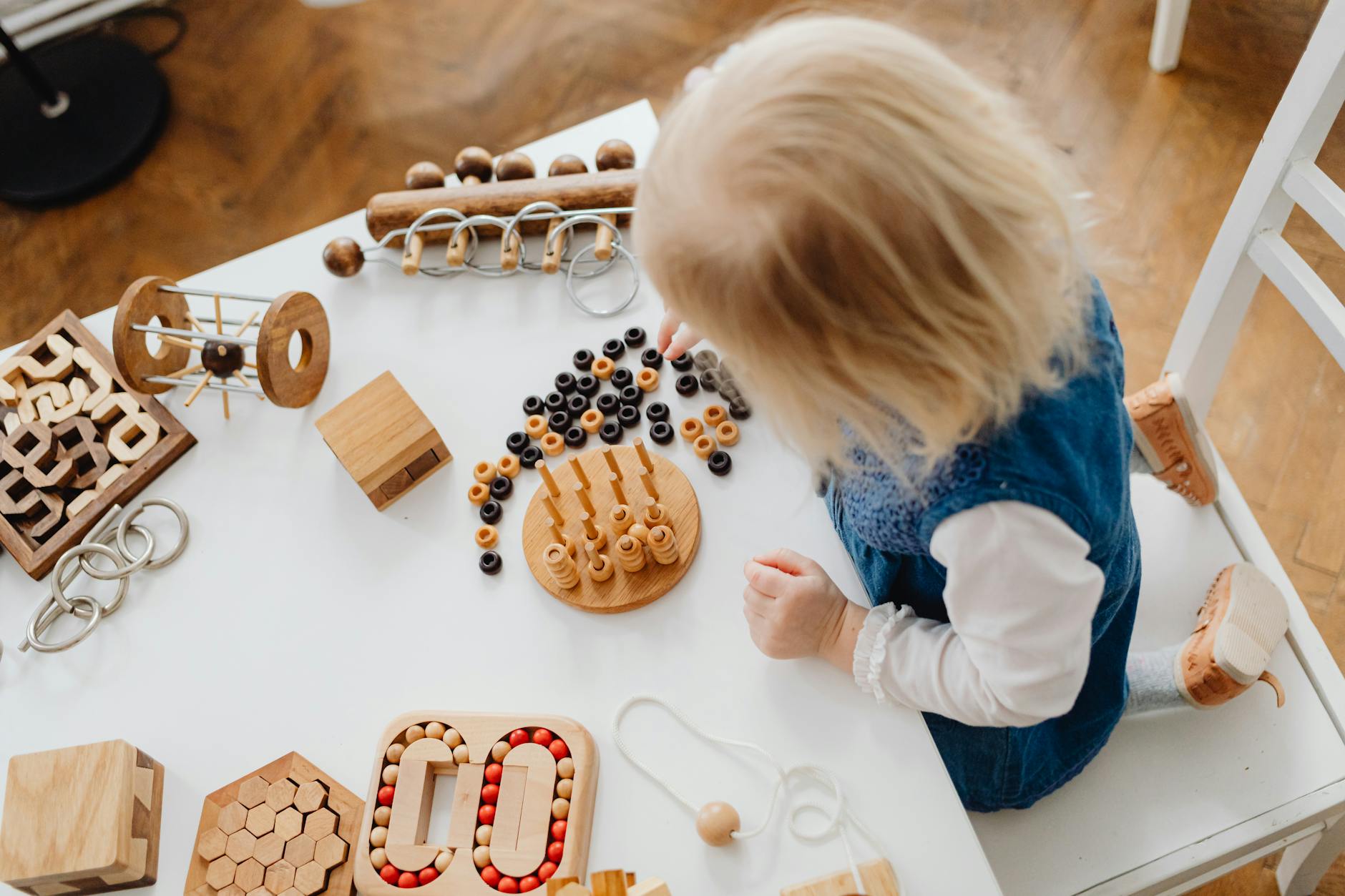
- Fine motor play: stringing beads, using tweezers, building with blocks
- Sensory exploration: finger painting, playing with kinetic sand or playdough
- Pretend play: dressing dolls, pretending to cook, using tools
- Pre-writing skills: drawing shapes, scribbling, tracing lines and curves
These activities support the physical, cognitive, and sensory-motor development required for future writing success.
Handwriting Has Its Time and Place
Formal writing instruction is most appropriate once a child has developed the foundational skills mentioned earlier—usually around age 5 or 6.
Even then, learning to write should be approached with patience and creativity.
Tracing worksheets and forced repetition aren’t always the best tools.
Writing should be meaningful and connected to play, storytelling, and a child’s own ideas.
Instead of pushing early handwriting, consider providing opportunities to:
- Write with fingers in sand or shaving cream
- Use chalk on sidewalks
- Create letter shapes with playdough
- Dictate stories and watch adults write them down
These methods allow children to explore writing in fun, sensory-rich ways that support brain development and a lifelong love of learning.
The Bottom Line
Every child develops at their own pace.
Rushing into handwriting too early can create long-term challenges and undermine confidence.
As adults, we have the power to protect children’s natural curiosity and joy by allowing them to develop the foundational skills for writing in their own time.
Remember, the goal isn’t to have the earliest writer—it’s to raise a confident communicator.
And that begins not with paper and pencil, but with hands-on play, movement, and meaningful connection.
Want more tips on supporting your child’s development through play?
Contact me for more strategies ideas and support
Subscribe to the blog for simple, OT-informed strategies that honor your child’s natural growth and creativity.
 SuperKids Pediatric Consulting Services