
Inclusion When You Can’t Sit Still: Supporting Every Child’s Need to Move

In today’s classrooms, the word inclusion is used often—and for good reason.

Every child deserves the opportunity to learn, participate, and feel accepted for who they are.

But inclusion can sometimes feel challenging when a student “can’t sit still.”

Teachers and parents may worry that constant wiggling, tapping, or standing up will disrupt the group or keep a child from learning.

The truth is: movement and learning can go hand in hand.

For many children, sitting still for long periods is not natural.

Their brains and bodies crave movement to stay engaged.

By shifting our mindset and creating inclusive strategies, we can support students who need to move without isolating them or labeling them as disruptive.

Why Some Kids Can’t Sit Still

Not all children experience the world in the same way.

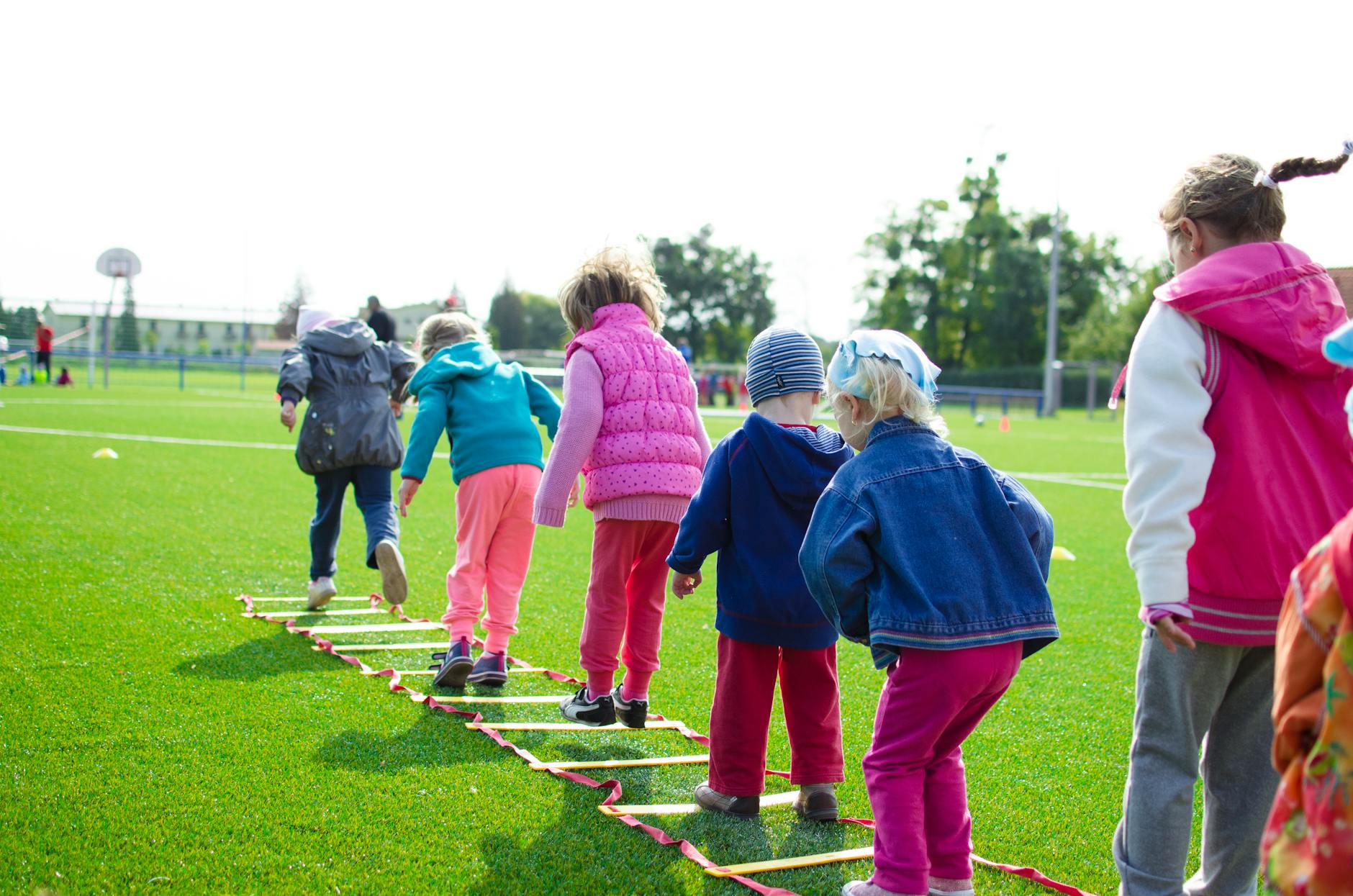
For some, the act of moving—whether tapping a pencil, bouncing on a chair, or pacing around the room—helps them stay focused.

This can happen for several reasons:

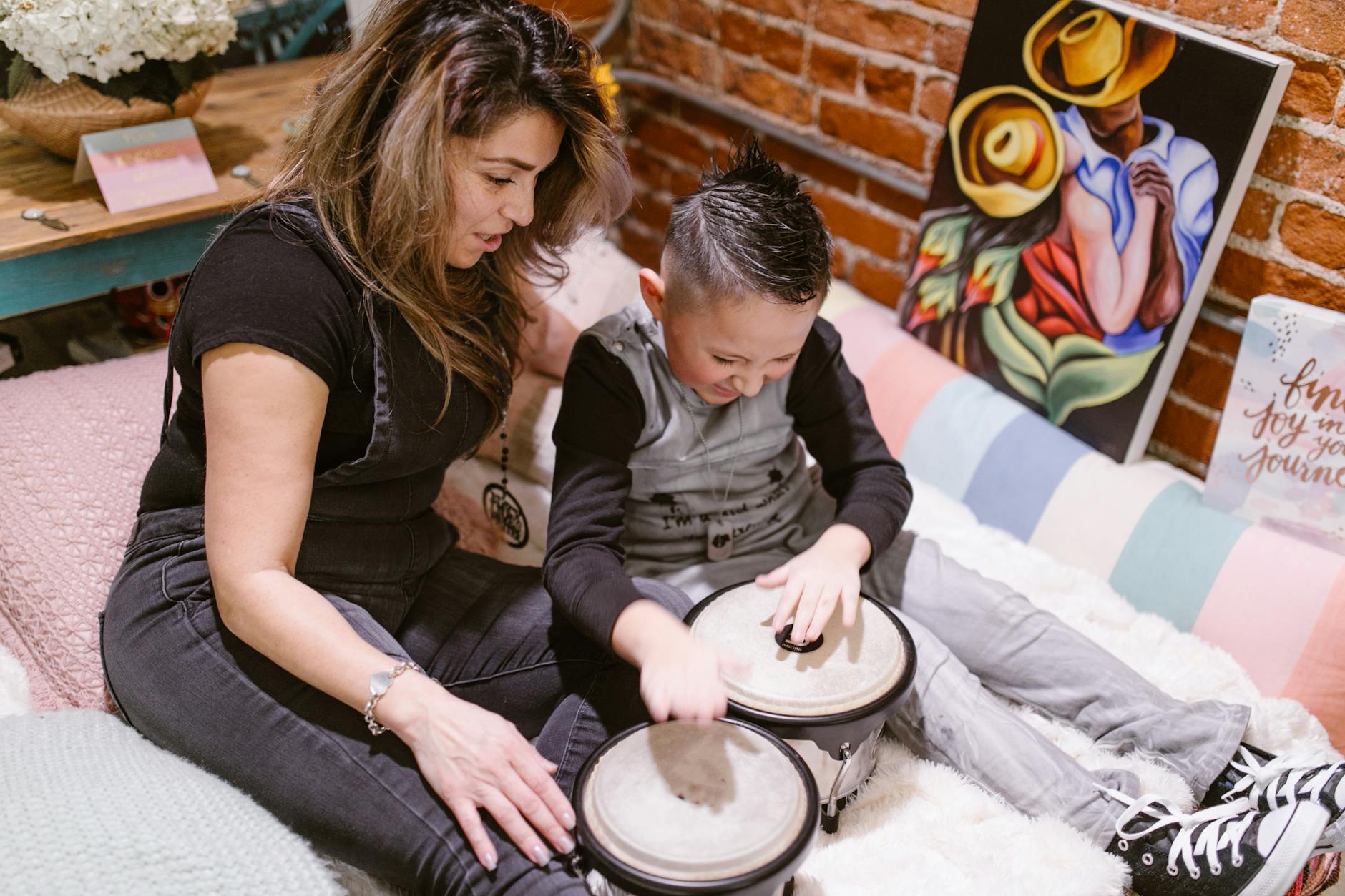
Sensory needs: Children with sensory processing differences may use movement to regulate their nervous system.

Attention differences: Students with ADHD or attention challenges often concentrate better when they are allowed to move.

Developmental stage: Younger children simply aren’t wired to sit still for long stretches, even if classrooms expect it.

Energy release: Some kids just have high energy levels and need extra outlets throughout the day.

Understanding these differences is the first step toward true inclusion.

Instead of seeing movement as a distraction, we can view it as a tool for participation and learning.

What Inclusion Really Means

Inclusion is more than just having every child in the same classroom.

It’s about accepting differences and creating environments where each student feels valued.

For a child who can’t sit still, inclusion might mean:

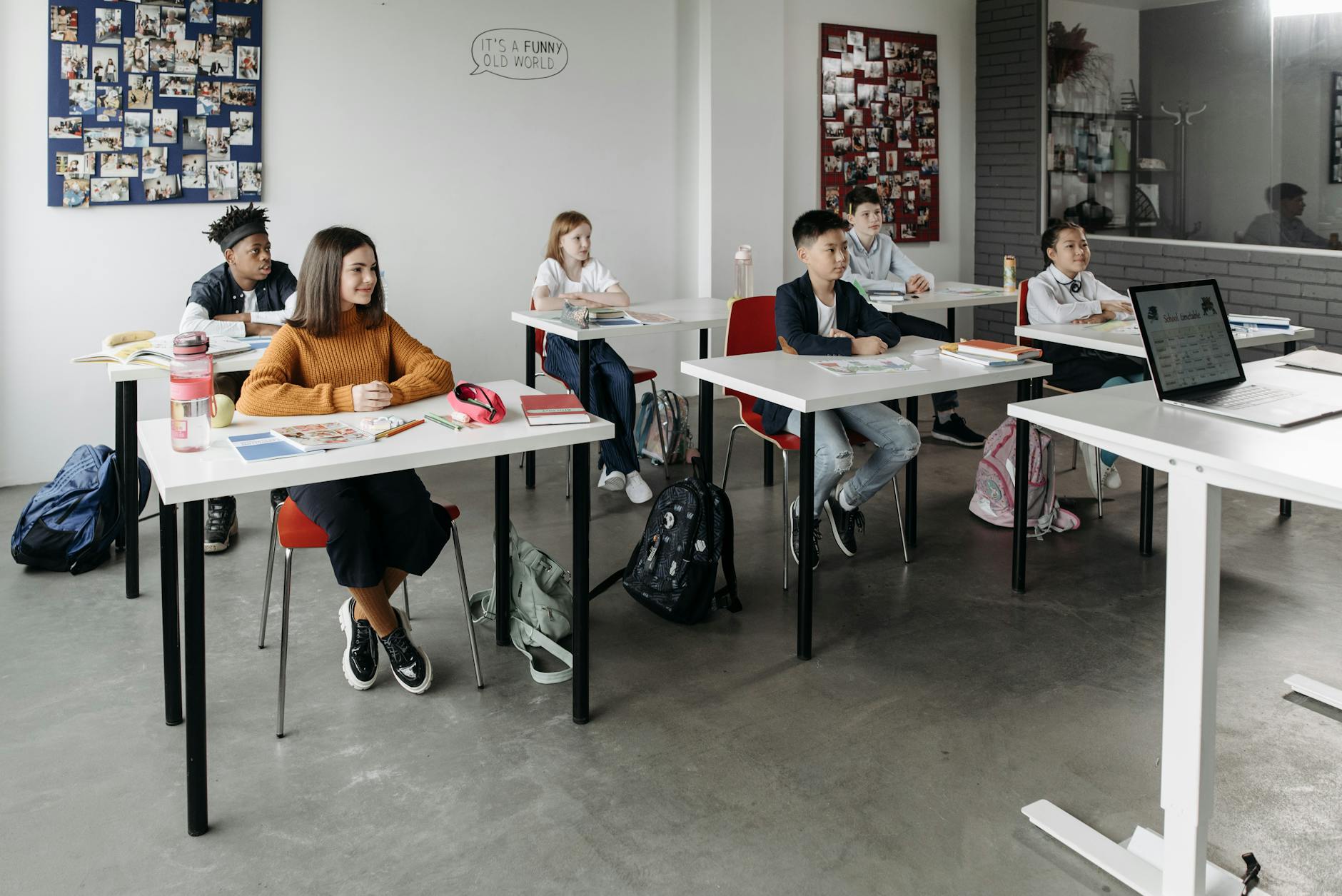
Providing seating options like wobble stools, cushions, or standing desks.

Building short movement breaks into the school day.

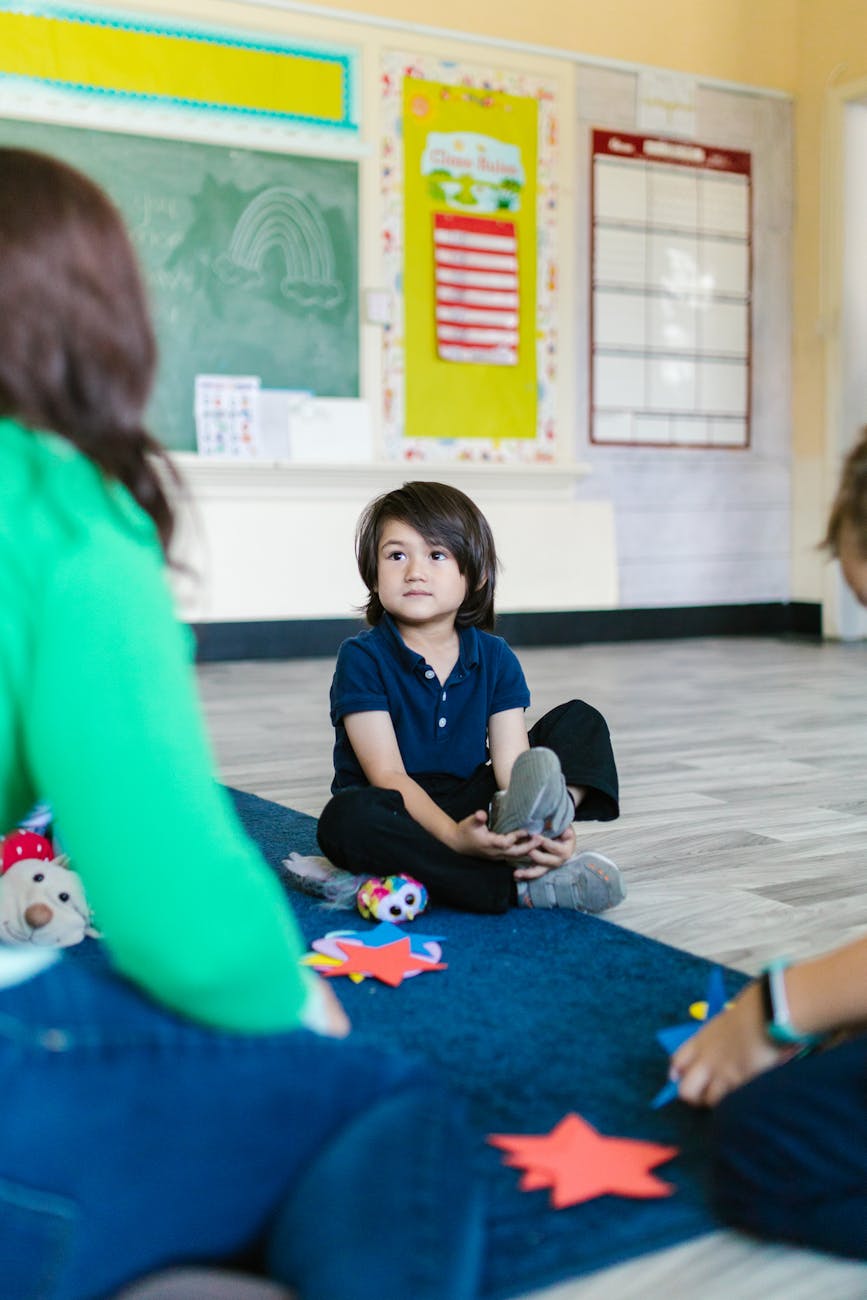
Allowing flexible postures during lessons (lying on the rug, kneeling at a table, or standing in the back).

Teaching classmates that everyone learns in different ways.

When everyone embraces these supports, the child who needs to move is no longer “the disruptive one.”

They become simply another learner in the community.

Strategies for Supporting Kids Who Can’t Sit Still

Here are some practical ways parents, teachers, and schools can foster inclusion when movement is part of a child’s learning style:

1. Build Movement Into the Routine

Instead of asking kids to sit for long stretches, break up lessons with brain breaks or quick activities.

Stretching, jumping jacks, or a walk down the hallway can recharge focus.

2. Offer Flexible Seating

Wobble chairs, therapy balls, standing desks, or even floor cushions give children the chance to move without leaving their learning space.

3. Use Fidgets Purposefully

Small tools like stress balls or putty can help children release energy in quiet, non-disruptive ways.

4. Encourage Active Learning

Let students act out vocabulary words, use movement in math games, or walk around while reading.

The more the body is engaged, the more the brain is too.

5. Teach Self-Awareness

Help children recognize when they need movement and how to choose strategies that work for them without interrupting others.

This builds independence and confidence.

The Bigger Picture: Belonging and Acceptance

When we include all kids, including those who can’t sit still, we are modeling acceptance of all learners.

A classroom where movement is normalized sends the message: “You are welcome here, just as you are.”

This doesn’t just benefit one child—it helps the entire class.

Many students, even those without diagnosed sensory or attention needs, focus better when movement is integrated.

Teachers also notice higher engagement and fewer behavioral challenges when flexibility is built into the learning environment.

Inclusion is not about making every child fit the same mold.

It’s about creating a community where every learner has what they need to succeed.

Final Thoughts

If you have a student or child who just can’t sit still, remember: movement is not the enemy of learning.

In fact, it can be the very thing that helps a child stay engaged, confident, and connected.

By embracing flexible strategies and fostering an inclusive mindset, we open the door for every child to thrive.

Inclusion is not about stillness—it’s about belonging.

And belonging should never require sitting perfectly still.

Call to Action

Inclusion doesn’t mean sitting still—it means creating spaces where every child can learn, move, and belong.

Whether you’re a parent or teacher, supporting kids’ movement needs can improve focus, confidence, and classroom participation.

Want more practical strategies for inclusion and sensory-friendly supports?

Click here to contact me.

Why Whole Body Listening Doesn’t Work for Every Child (and What to Do Instead)

In many classrooms, students are introduced to the concept of whole body listening.

This framework, originally created by a speech-language pathologist in the 1990s, is meant to teach children that listening is more than just using their ears.

Posters and visuals often remind students that listening involves “quiet hands,” “still feet,” “eyes looking at the speaker,” and “mouth closed.”

For some children, these reminders may seem helpful.

They break down social expectations into clear, concrete steps.

However, for many kids—especially those who are neurodivergent, have sensory processing differences, or simply learn in diverse ways—whole body listening can actually be counterproductive.

Here’s why this approach isn’t always beneficial, and what educators and parents can do instead.

1. It Confuses Attention with Compliance

Whole body listening often emphasizes outward signs of listening rather than actual engagement.

A child who is sitting perfectly still, with eyes glued to the speaker, may appear attentive, but this doesn’t necessarily mean they are processing the information.

Conversely, a child who is doodling, fidgeting with a pencil, or looking away might actually be listening deeply.

By insisting on a rigid posture, we risk prioritizing compliance over true attention and understanding.

This can send the wrong message to kids: that “looking like you’re listening” is more important than actually listening.

2. It Can Be Exclusionary for Some Students

Students with ADHD, autism, or sensory processing differences often need movement, breaks in eye contact, or other self-regulation strategies to stay engaged.

For example:

A child with ADHD may focus best while standing, bouncing, or playing with a fidget tool.

A child with autism may find eye contact distracting or even overwhelming.

A child with sensory sensitivities may not be able to sit still without becoming dysregulated.

For these students, whole body listening is not just unhelpful—it can feel impossible.

It reinforces a message that their natural way of engaging with the world is “wrong,” which can harm self-esteem and discourage authentic participation.

3. It Increases Anxiety and Cognitive Load

When children are asked to control every part of their body in order to show they are listening, their mental energy gets split between “How do I look?” and “What am I supposed to be learning?”

Instead of being able to relax and focus on content, they are monitoring themselves constantly—keeping their hands still, feet quiet, and eyes forward.

This extra cognitive load can actually reduce comprehension.

For children who already struggle with attention, executive functioning, or self-regulation, the added pressure can lead to frustration, anxiety, or shutdowns.

4. It Ignores Cultural and Individual Communication Styles

Not all cultures or families define “good listening” the same way.

In some cultures, direct eye contact with adults may be considered disrespectful.

In others, children are encouraged to move while learning or to engage in parallel play while listening.

By enforcing one rigid standard, whole body listening overlooks these cultural variations and risks pathologizing behaviors that are perfectly natural in a child’s home environment.

5. It Misses Opportunities to Teach True Listening Skills

Listening is about understanding and connecting—not about stillness.

When we focus narrowly on body control, we miss opportunities to help children practice the real skills that make listening meaningful:

  • Active engagement: asking questions, paraphrasing, and making connections.
  • Self-awareness: knowing what helps them focus best (e.g., doodling, moving, or sitting quietly).
  • Respectful interaction: taking turns, responding thoughtfully, and recognizing when someone else needs space to share.

These skills foster lifelong communication abilities, far beyond the classroom.

What to Do Instead

If whole body listening doesn’t serve all students, what can educators and caregivers use instead? Here are some alternatives:

Teach flexible listening strategies.

Instead of prescribing one posture, help children discover what helps them attend.

This might include standing, drawing, or using a sensory tool.

Focus on outcomes, not appearances.

Measure listening by a child’s ability to respond, recall, or engage with information—not by how still they look.

Model respectful communication.

Demonstrate turn-taking, eye contact when comfortable, and ways to show interest through questions and comments.

Normalize different listening styles.

Create classroom conversations about how everyone learns and listens differently, reducing stigma for kids who need movement or breaks.

Final Thoughts

Whole body listening was developed with good intentions, but it doesn’t reflect the wide variety of ways children learn, listen, and engage.

For some kids, especially those who are neurodivergent, it can feel more like a set of impossible rules than a supportive tool.

When we shift away from rigid expectations and toward flexible, individualized strategies, we empower children to participate authentically and confidently.

True listening isn’t about stillness—it’s about connection, understanding, and respect.

Call to Action

Whole body listening doesn’t work for every child—and that’s okay.

Some kids have unique sensory needs and attention challenges that make traditional listening strategies unrealistic.

Whether you’re a parent at home or a teacher in the classroom, shifting from compliance to sensory-friendly listening strategies, you can foster real connection, engagement, and learning by making a few changes.

Want more practical tips and classroomready tools to support attention and self-regulation? Contact me and get fresh strategies each week to help kids thrive.

Balancing Digital Use with Sensory-Motor Activities

In today’s digital world, screen time has become an integral part of children’s daily lives.

From educational apps to entertainment and social interactions, screens offer numerous benefits.

However, excessive screen time has raised concerns regarding children’s physical, cognitive, sensory, and emotional development.

Pediatric occupational therapists (OTs) play a vital role in helping families establish healthy screen time habits while promoting essential sensory-motor activities for overall development.

The Impact of Screen Time on Child Development

While technology has its place in education and entertainment, research indicates that excessive screen use can negatively impact sensory processing, motor skills, attention, sleep, and emotional regulation.

1. Sensory Processing and Regulation

Children thrive on multisensory experiences that help develop their nervous systems.

Screens provide primarily visual and auditory stimulation, often lacking tactile, proprioceptive, and vestibular input.

This imbalance can contribute to sensory-seeking or sensory-avoidant behaviors, making it harder for children to self-regulate in non-digital environments.

2. Fine and Gross Motor Skills

Engagement in screen-based activities typically involves minimal physical movement, leading to a sedentary lifestyle.

Children spending excessive time on screens may experience delays in:

  • Fine motor skills (e.g., handwriting, buttoning, cutting), as screens don’t require intricate hand movements like traditional play does.
  • Gross motor skills (e.g., coordination, balance, strength), since active movement and outdoor play are often reduced.

3. Attention and Executive Functioning

Fast-paced digital media can overstimulate a child’s brain, making it difficult to transition to lower-stimulation activities like reading or problem-solving.

Studies suggest that prolonged screen exposure may contribute to decreased attention spans and difficulty with impulse control, particularly in children with ADHD or sensory processing challenges.

4. Sleep Disruptions

Blue light from screens interferes with melatonin production, which regulates sleep cycles.

Poor sleep quality can negatively affect a child’s ability to focus, regulate emotions, and engage in learning activities.

5. Emotional and Social Development

While screens offer virtual social interactions, they do not replace face-to-face communication, empathy, and problem-solving skills that develop through real-world play and interactions.

Excessive screen use can sometimes lead to social withdrawal, anxiety, and difficulty interpreting non-verbal cues in children.

Balancing Screen Time

Let’s face it, balancing screen time for your child can be hard. Here’s how to help children engage in essential sensory-motor experiences:

1. Keep in Mind These Guidelines

  • Follow AAP (American Academy of Pediatrics) Recommendations: Limit screen time for children under 2 years old and promote no more than 1 hour per day for children aged 2-5, with balanced physical and sensory activities.
  • Create Screen-Free Zones: Encourage tech-free mealtimes, family interactions, and a screen-free bedroom environment to promote better sleep.
  • Set Time Limits and Boundaries: Use timers, parental controls, and scheduled screen breaks to maintain a healthy balance.

2. Encourage Sensory-Motor Play as an Alternative to Screens

Children need active, hands-on experiences to develop motor coordination, spatial awareness, and self-regulation.

Here are some suggestions for sensory-motor play ideas:

Sensory-Based Alternatives

  • Tactile Play: Play with sand, water, slime, or textured materials to promote sensory exploration.
  • Proprioceptive Input (Heavy Work Activities): Pushing, pulling, climbing, and carrying activities help regulate the nervous system.
  • Vestibular Activities: Swinging, jumping, spinning, and balancing exercises to develop coordination and spatial awareness.

Fine Motor and Hand Strengthening Activities

  • Building with Blocks or LEGOs: Improves hand dexterity and problem-solving.
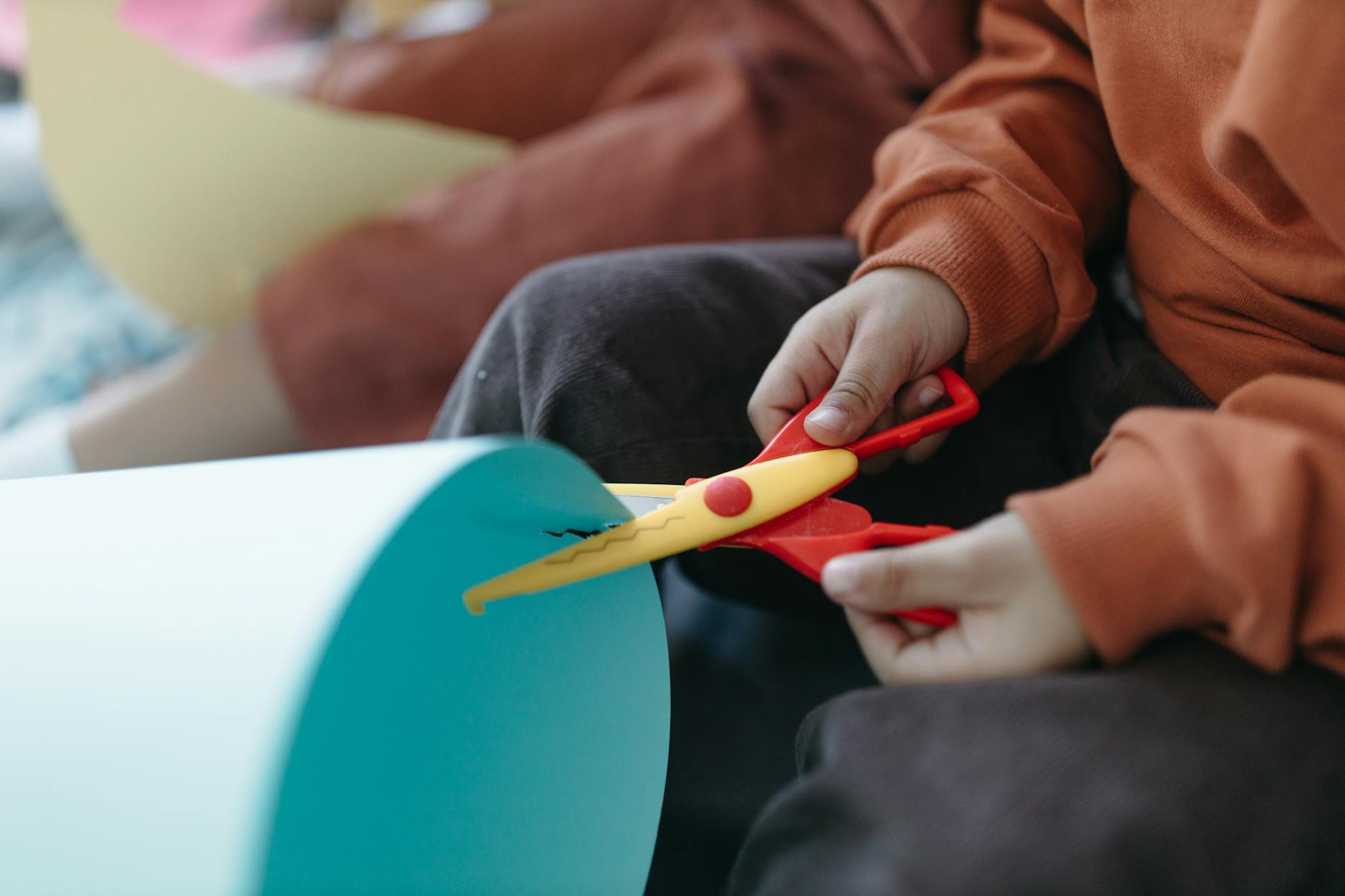
  • Arts and Crafts: Cutting, coloring, painting, and manipulating small objects enhance fine motor skills.
  • Handwriting and Pre-Writing Exercises: Using chalk, playdough, or finger painting to encourage proper grip development.

Gross Motor and Outdoor Play

  • Bike Riding and Climbing: Develops coordination, strength, and endurance.
  • Jump Rope and Hopscotch: Promotes balance and cardiovascular health.
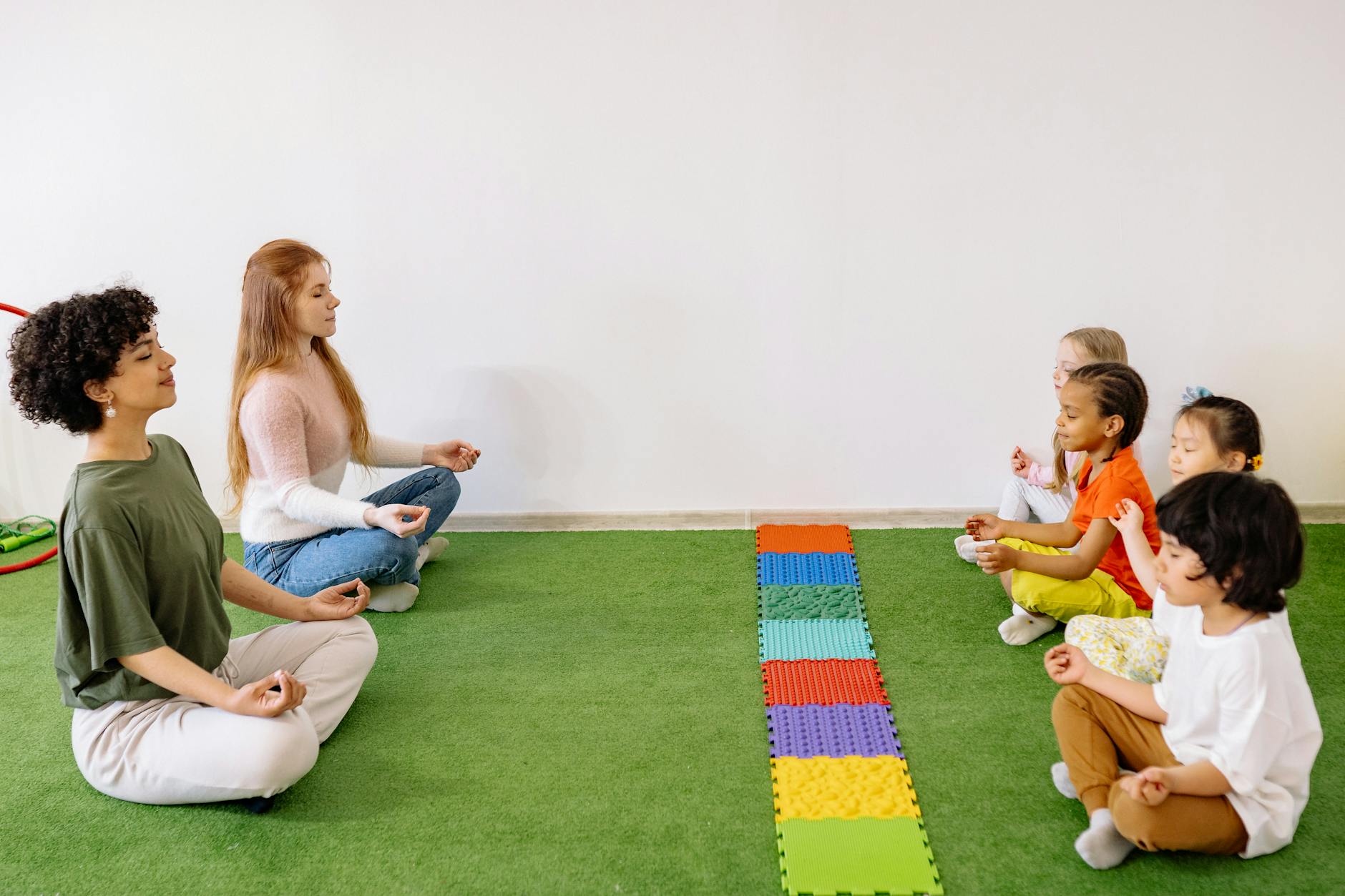
  • Obstacle Courses and Sensory Paths: Combines motor planning, proprioception, and problem-solving.

3. Integrating Movement Breaks During Screen Time

Instead of eliminating screens entirely, consider incorporating movement breaks to balance sedentary screen use:

  • The 20-20-20 Rule: Every 20 minutes, take a 20-second break, looking at something 20 feet away to reduce eye strain.
  • Brain Breaks: Quick exercises like jumping jacks, stretching, or wall push-ups between screen activities.
  • Active Screen Use: Encouraging motion-based video games, interactive learning, or standing while using a device.

4. Using Technology in an OT-Friendly Way

Instead of viewing screens as harmful, use screens strategically:

  • Educational Apps with Hands-On Components: Apps that encourage writing, drawing, or movement-based learning.
  • Timers and Visual Schedules: Tools to help children transition between activities.
  • Blue Light Blockers and Night Mode Settings: Reducing the impact of screens on sleep.

Conclusion: Finding the Balance

Screen time isn’t inherently bad—it’s about finding the right balance between digital use and sensory-motor experiences.

We can guide children toward healthy screen habits while ensuring they develop essential motor, sensory, and social-emotional skills at the same time.

By integrating movement breaks, structured routines, and hands-on play, we can help children thrive in both digital and real-world environments.

The key is mindful moderation—using screens as tools while prioritizing active, sensory-rich play for holistic development.

Call to Action

Let’s Create Balance Together

If you’ve noticed your child struggling with attention, regulation, or movement after screen time, you’re not alone — and there are ways to help.

As a pediatric occupational therapist, I specialize in supporting families in creating practical, sensory-rich routines that balance technology with healthy movement and play.

Contact me today to learn how we can work together to build a screen-smart, sensory-strong foundation for your child’s growth and wellbeing.

Meaningful Inclusion of All Students in the Classroom: Why Everyday Inclusion Matters

Inclusion is more than just a policy—it’s a practice that shapes the culture of a classroom.

For all students, meaningful inclusion goes beyond physical placement in a general education room.

It’s about ensuring all students have the tools, supports, and opportunities to truly participate in daily classroom life.

When classrooms embrace inclusion, everyone benefits.

All students deserve to have an experience that includes belonging and growth, while developing empathy, collaboration, and respect for diversity.

Teachers, in turn, should be the leaders in fostering communities built on equity and compassion.

Shifting From Presence to Participation

Too often, inclusion is viewed as simply “having students with disabilities in the room.”

But presence alone is not enough.

True inclusion is about participation—where all students are active contributors in learning activities, social interactions, and classroom routines.

This shift requires teachers to ask:

Do all students have a meaningful role in this activity?

Do all students have the tools they need to participate?

Are their peers learning from and alongside one another?

Practical Strategies for Everyday Inclusion

Here are six ways educators can meaningfully include all students in daily classroom life:

1. Adopt an Inclusive Mindset

Inclusion starts with belief.

Teachers who embrace the mindset that every student can learn and contribute naturally create opportunities for participation.

This approach shifts the focus from deficits to strengths and helps students feel valued as part of the classroom community.

2. Differentiate Instruction

Students may need material presented in different ways.

Differentiation ensures access for all by:

  • Using visuals, models, and hands-on materials.
  • Offering multiple ways to complete assignments (drawing, speaking, typing, building).
  • Breaking tasks into manageable steps.
  • Allowing additional time where needed.

These strategies support diverse learners while enhancing understanding for the entire class.

3. Build Inclusive Routines

Classroom routines provide structure and predictability, which benefit all students.

Inclusion can be embedded into routines such as:

Assigning classroom jobs so every student has responsibility.

Using morning meetings to ensure each student’s voice is heard, even those students who are non speaking.

Incorporating sensory or movement breaks for all students.

When inclusion is part of the daily rhythm, it becomes natural and sustainable.

4. Encourage Peer Connections

Peer relationships are at the heart of meaningful inclusion.

Teachers can foster them by:

  • Creating mixed-ability groups for projects.
  • Encouraging “buddy systems” for transitions and activities.
  • Teaching students about empathy, kindness, and acceptance.

When peers view each other as partners, not just classmates, inclusion flourishes.

5. Collaborate With Specialists and Families

General education teachers don’t have to do this alone.

Collaborating with special educators, occupational therapists, and speech-language pathologists provides strategies and tools tailored to individual students.

Families are also invaluable partners who bring insights about their child’s strengths, needs, and motivators.

6. Celebrate Differences

In an inclusive classroom, differences are recognized as strengths.

Celebrate the unique ways students contribute—whether it’s creativity, problem-solving, humor, or persistence.

Creating a culture that values diversity ensures all students feel proud of who they are.

The Ripple Effect of Inclusion

When all students are meaningfully included, the entire classroom community changes for the better:

  • Students thrive academically and socially when they feel a sense of belonging.
  • Peers learn empathy and collaboration, preparing them for diverse communities beyond school.
  • Teachers grow professionally, developing skills in differentiation, collaboration, and creative problem-solving.

Research shows that inclusive classrooms raise the bar for everyone.

Final Thoughts

The inclusion of all students in everyday classroom life is not just a legal requirement; it’s a commitment to equity and belonging.

By adopting inclusive mindsets, differentiating instruction, embedding participation into routines, and fostering peer connections, educators create classrooms where every student can thrive.

At SuperKids Pediatric Consulting, I help schools design inclusive, sensory-friendly, and empowering classrooms.

Contact me today to learn how I can support your district in making everyday inclusion a reality.

How Parents Can Sort Through Online Parenting Advice to Do What Works Best for Their Child

Parenting in the digital age is both a blessing and a challenge.

With just a few clicks, parents can access endless blogs, social media posts, videos, and expert opinions about raising children.

While this wealth of information can be helpful, it can also feel overwhelming, confusing, and sometimes contradictory.

One article might say “gentle parenting is the only way,” while another insists that “firm boundaries are the key.”

So how can parents sift through all of this parenting advice online and figure out what actually works best for their child?

The answer lies in learning how to filter, reflect, and apply advice in a way that honors your family’s unique values and your child’s individual needs.

Here are some tips on navigating all the parenting advice out there.

1. Recognize That There’s No One-Size-Fits-All Parenting Approach

The first thing parents should remember is that every child is different.

What works beautifully for one family may create stress or conflict in another.

Children have unique temperaments, sensory needs, developmental stages, and learning styles.

For example, one child may thrive with a detailed daily routine, while another may need flexibility and freedom to explore.

When parents read advice online, it’s important to see it as a toolbox rather than a set of strict rules.

Some tools will be useful; others may not fit your child’s personality or your parenting style—and that’s okay.

2. Check the Source of Parenting Advice

Not all online advice is created equal.

Some comes from child development experts, occupational therapists, or psychologists, while other advice is based purely on opinion or personal experience.

Both can be valuable, but parents should consider:

Who is giving the advice?

Is it a trained professional or another parent sharing their journey?

Is it research-based?

Evidence-backed strategies are more likely to support your child’s growth.

Does it align with your values?

Even expert advice may not be right for your family if it conflicts with your parenting philosophy.

Being selective about sources can save parents from following trends that may not be safe, sustainable, or effective.

3. Trust Your Parenting Instincts

In the rush to follow “expert-approved” strategies, parents often forget that they are the experts on their own children.

You spend the most time with your child, and you know their quirks, strengths, and struggles better than anyone.

When reading parenting advice online, pause and check in with your instincts. Ask yourself:

Does this strategy feel natural for me and my child?

Will this approach strengthen my relationship with my child?

How does my child usually respond to similar strategies?

If your gut tells you something isn’t right, it’s okay to set that advice aside.

4. Experiment and Observe

Parenting is often trial and error.

Instead of feeling pressured to adopt an entire parenting “method,” try one piece of advice at a time.

For instance, if you read about setting up a calm-down corner for emotional regulation, try it for a week and notice how your child responds.

Do they use the space?

Does it help reduce meltdowns?

If it works, keep it. If not, adjust or try something different.

Think of online parenting advice as a buffet: sample different ideas, but only keep what nourishes your family.

5. Avoid Comparison and Social Media Pressure

Scrolling through parenting accounts on Instagram or TikTok can easily lead to self-doubt.

Other parents’ homes may look perfectly organized, their kids may seem well-behaved, and their routines may appear effortless.

Remember, social media is a highlight reel—not the full picture.

Comparing your family to others often adds unnecessary stress.

Instead, focus on progress, not perfection.

Ask: “What’s working for us right now?” and let that guide your next step.

6. Prioritize Connection Over Perfection

No matter what advice you try, the most important factor in parenting is the relationship between you and your child.

Children thrive when they feel safe, loved, and understood.

If a piece of advice threatens to damage your bond—by adding too much stress, rigidity, or guilt—it may not be the right fit.

Instead, prioritize approaches that strengthen communication, connection, and trust.

These are the foundations that help children feel secure enough to grow, learn, and develop resilience.

7. Give Yourself Permission to Change Course

Parenting advice isn’t permanent.

What works today may not work six months from now as your child grows and changes.

Be flexible, give yourself grace, and allow space for growth.

It’s okay to say: “We tried that, but it’s not working for us anymore.”

This doesn’t mean you failed; it means you’re adapting.

Parenting is a journey, not a fixed destination.

Final Thoughts

Online parenting advice can be a wonderful resource—but only when filtered with intention.

By recognizing that every child is unique, checking sources carefully, trusting your instincts, experimenting, and focusing on connection, you can find strategies that truly support your child’s needs.

The key takeaway? Parenting isn’t about following every piece of advice you see online.

It’s about building a relationship with your child and finding what works best for your family.

When you approach online advice with curiosity, flexibility, and confidence, you’ll be able to sit through the noise and uncover the strategies that truly make a difference.

Call to Action

Parenting in the digital age can feel overwhelming, but you don’t have to sort through it all alone.

Every child is unique, and what matters most is finding strategies that truly fit your family.

If you’d like support in cutting through the noise and building approaches that work for your child, I’d love to help.

Reach out today to connect—I’m here to guide you with practical, personalized strategies that honor both you and your child.

How Occupational Therapy Can Help Teenagers and Post-Graduate Students Thrive

When people hear “occupational therapy” (OT), they often think about young children developing motor skills or older adults recovering from injury.

However, occupational therapy is just as valuable for teenagers and post-graduate students navigating the challenges of school, independence, and transitioning into adult life.

These years bring rapid changes—social, emotional, academic, and physical that can feel overwhelming.

OT offers strategies and tools to help young people succeed both in and out of the classroom.

Why Teens and Young Adults May Need Support

Adolescence and early adulthood are critical developmental stages.

Teenagers face growing academic demands, social pressures, and the push for independence.

Post-graduate students, whether in college or entering the workforce, must juggle time management, executive functioning, and sometimes new environments far from home.

Common challenges occupational therapists can help with include:

  • Executive functioning difficulties such as planning, prioritizing, organizing, and following through.
  • Study and test-taking strategies for students who learn differently.
  • Stress and anxiety management connected to academics, social expectations, or transitions.
  • Sensory processing needs that impact focus in classrooms, dorms, or busy workplaces.
  • Life skills such as managing self-care, cooking, transportation, or finances.

Occupational Therapy for Teenagers

High school years are full of transitions—from middle school to high school, then toward college, trade school, or the workforce.

Occupational therapists can step in to help teens manage both the academic and personal responsibilities that come with this phase.

Some areas of focus include:

  • Study Habits & Learning Tools: OT can help teens build effective note-taking, organization, and memory strategies that match their learning style.
  • Time Management: Teens often struggle to balance homework, extracurriculars, and social life. Therapists provide systems like planners, visual schedules, or digital tools to stay on track.
  • Self-Advocacy Skills: Many students with learning differences benefit from coaching on how to communicate their needs with teachers or peers.
  • Healthy Routines: OT helps teens build better sleep, nutrition, and exercise habits that directly impact attention and performance.
  • Social Participation: For teens with anxiety or social skill challenges, therapy can provide safe practice and strategies for confidence.

By focusing on both academic and personal development, OT empowers teenagers to feel more in control of their lives.

Occupational Therapy for Post-Graduate Students

Graduating from high school and entering college or adult life comes with new expectations.

Students often move away from structured family support and must suddenly manage everything on their own.

Occupational therapy helps bridge that gap by teaching practical and emotional skills needed to succeed.

Some ways OT supports post-graduate students include:

  • Transition to Independence: Therapists guide young adults in building routines for cooking, laundry, transportation, and budgeting.
  • College Success Strategies: For students in higher education, OT provides personalized systems for handling heavy workloads, staying organized, and reducing stress.
  • Workplace Readiness: From professional communication to sensory-friendly workplace adaptations, OT equips students to thrive in their first jobs.
  • Mental Health & Stress Management: Coping skills like mindfulness, self-regulation, and healthy daily habits can reduce burnout and improve performance.
  • Technology for Accessibility: OT introduces apps and tools that support note-taking, time management, or focus, especially for students with ADHD or learning disabilities.

By addressing the “whole person,” OT ensures young adults are not only prepared academically but also emotionally and practically for life beyond school.

Long-Term Benefits of OT for Teens and Young Adults

The skills gained through occupational therapy have lasting effects.

Teens and post-graduate students who work with OTs often develop resilience, problem-solving skills, and confidence that carry into adulthood.

They become better equipped to handle transitions—whether moving to college, starting a job, or navigating everyday challenges.

Families and educators often notice improvements such as:

  • Increased independence
  • Reduced stress and frustration
  • Improved academic outcomes
  • Better social participation
  • Stronger self-esteem

Final Thoughts

Occupational therapy is not just for young children or rehabilitation after injury—it’s a vital support for teenagers and post-graduate students, too.

These years are full of change, growth, and opportunity, but they can also bring stress and uncertainty.

With the guidance of occupational therapists, young people can develop the tools they need to thrive academically, socially, and personally.

Whether it’s mastering executive functioning, learning independent living skills, or simply building confidence, occupational therapy offers teenagers and young adults a foundation for long-term success.

Call to Action

Every stage of life comes with its own challenges, and teenagers and young adults deserve the right support to thrive.

Occupational therapy can be a powerful tool to build confidence, independence, and balance during these critical years.

If you know a teen or post-graduate student who could benefit from personalized strategies, don’t wait—reach out today.

I’d love to connect and explore how occupational therapy can support them in reaching their full potential.

Attention vs. Compliance: Why the Difference Matters

In classrooms everywhere, teachers and staff often ask occupational therapists to help when a student is “not paying attention.”

Sometimes, however, what adults describe as an “attention problem” is really about compliance—whether or not the child is following directions.

For school-based occupational therapists, understanding and communicating the difference between attention and compliance is essential.

It allows us to better support students, guide educators, and advocate for strategies that promote true learning and engagement.

What Is Attention?

Attention is the ability to focus on a task, filter out distractions, and shift focus when necessary.

In occupational therapy, we often talk about several types of attention:

Sustained attention: Staying focused on a single task for a set amount of time.

Selective attention: Filtering out background noise and distractions to stay engaged.

Divided attention: Managing more than one task at the same time (like listening and writing).

Shifting attention: Moving focus from one task to another smoothly.

A child with attention challenges may lose track of directions, appear distracted by noises or movements, or struggle to finish assignments.

These difficulties are not about willful behavior—they are about the brain’s ability to regulate focus.

What Is Compliance?

Compliance, on the other hand, refers to following adult directions, rules, or expectations.

A child may have strong attention skills but still choose not to follow directions because:

  • They don’t understand the request.
  • The task feels overwhelming or developmentally inappropriate.
  • They are experiencing sensory overload.
  • They want autonomy and control over their environment.

For example, a student may hear and understand a teacher’s instruction to begin math work (attention), but they might refuse to start because the task feels too difficult (non-compliance).

Why the Distinction Matters

When “attention” and “compliance” are used interchangeably, it can lead to misunderstandings and missed opportunities for support.

Let’s look at why the distinction is so important in schools:

Intervention Planning. If the issue is attention, an occupational therapist may recommend environmental supports like flexible seating, visual schedules, or movement breaks.

If the issue is compliance, strategies might involve building motivation, providing choices, or adjusting task demands.

Teacher Collaboration. Teachers may feel frustrated when a student is “not paying attention,” but the real concern may be that the student isn’t following directions.

Helping educators separate the two allows for more compassionate and effective classroom strategies.

Student Advocacy Labeling a child as “non-compliant” without exploring underlying causes can be damaging.

Sometimes what looks like defiance is really sensory overload, anxiety, or a need for more skill-building.

Examples in the Classroom

Attention Challenge: A student stares out the window during reading time because noises in the hallway are distracting.

The solution may be noise-canceling headphones or a seating change.

Compliance Challenge: A student is able to sit and listen to the story but refuses to complete the reading worksheet afterward.

The solution may be offering choices (draw a picture about the story instead of writing) or breaking the worksheet into smaller steps.

Mixed Challenge: A student begins a math problem but gets distracted, then refuses to finish.

Here, both attention supports (like visual cues) and compliance supports (like chunked tasks with breaks) are needed.

The Role of School-Based Occupational Therapy

As occupational therapists, we bridge the gap between what students need and what the classroom environment demands.

When addressing attention versus compliance, we often:

  • Conduct observations to identify patterns of distraction or refusal.
  • Collaborate with teachers to clarify whether a student’s challenge is related to focus, motivation, or task demands.
  • Use sensory strategies to help regulate arousal levels and support attention.
  • Coach teachers on positive behavior supports that encourage student participation without escalating power struggles.
  • Empower students by teaching self-regulation strategies, such as movement breaks, mindfulness, or visual tools.

Supporting Teachers and Parents

Educators and families often want clear strategies they can use right away. A helpful approach is to ask:

“Does the student know what to do?” (attention)

“Can the student do it?” (skill level)

“Does the student want to do it?” (compliance/motivation)

By answering these questions, adults can better match their support to the child’s needs.

Conclusion

Attention and compliance are not the same, though they can sometimes look similar in the classroom.

A child who appears “distracted” may be struggling to focus, or they may be choosing not to comply for reasons tied to task demands, motivation, or sensory overload.

School-based occupational therapists play a vital role in helping teams identify the difference, implement appropriate strategies, and support students in ways that foster learning and confidence.

When we separate attention from compliance, we create classrooms that respect children’s developmental needs while setting them up for success.

Call to Action

If this post got you thinking about the difference between attention and compliance, you’re not alone.

As parents, educators, and caregivers, it’s easy to slip into focusing on compliance when what children really need is connection and support for their attention and regulation.

The next time you find yourself asking a child to “listen,” pause and reflect—are you asking for compliance, or are you supporting attention?

If you’re ready to shift the focus from compliance to meaningful attention and engagement, I’d love to help.

As a pediatric consultant, I work with families and educators to create strategies that truly support children’s growth and regulation.

Reach out today to connect—I’d be happy to talk with you about how we can work together to support the children in your life.

What is Interoception and Why It Matters for Children and Adults

Interoception is a term you might not hear every day, but it plays a crucial role in how we understand and respond to our own bodies.

Often referred to as the “hidden sense,” interoception is the brain’s ability to detect and interpret internal signals from the body.

These signals include sensations like hunger, thirst, the need to use the restroom, heart rate, body temperature, and even emotions like anxiety or excitement.

In short, interoception helps us know what is happening inside our bodies and guides how we react to it.

Understanding Interoception

Unlike our five traditional senses—sight, hearing, taste, touch, and smell—interoception is internal.

It is what allows you to notice that your stomach is growling, your heart is racing, or your bladder is full.

Beyond physical sensations, interoception is also deeply connected to emotional awareness.

For example, when your heart races and your stomach tightens during a stressful situation, your interoceptive system is alerting you to your emotional state.

Interoception is often overlooked in daily life, but it is essential for self-regulation.

It helps children and adults manage their behaviors, emotions, and overall well-being.

Without strong interoceptive awareness, recognizing feelings of hunger, fatigue, or stress can be challenging, which may impact everything from daily routines to mental health.

Interoception and Children

For children, interoception is a vital part of development.

Kids with strong interoceptive awareness can notice and respond to their bodily needs, which supports independence and self-care skills.

For example, a child who recognizes their stomach is empty may ask for a snack, while another child may notice anxiety building and use calming strategies like deep breathing.

However, some children—especially those with neurodevelopmental differences such as autism, ADHD, or sensory processing challenges—may struggle with interoception.

They may not recognize bodily signals or may misinterpret them, leading to challenges like missing meals, over- or under-reacting to pain, or difficulty identifying emotions.

Supporting interoception in children can help them improve self-regulation, emotional awareness, and daily functioning.

Interoception in Adults

Interoception isn’t just important for children; adults benefit from interoceptive awareness too.

Understanding internal signals can help manage stress, anxiety, and physical health.

For instance, noticing tension in your shoulders, a racing heart, or a stomach ache can signal that it’s time to take a break, practice mindfulness, or hydrate.

People with stronger interoceptive awareness often report better emotional regulation and overall wellness.

How Occupational Therapy Supports Interoception

Occupational therapists (OTs) often work with children and adults to improve interoceptive awareness.

Through activities and strategies tailored to individual needs, OTs help clients notice and respond to their internal cues.

This may include using check-ins for hunger, thirst, or bathroom needs, practicing body scans, tracking emotions with visual tools, or engaging in sensory-based activities to strengthen body awareness.

Improving interoception can have wide-ranging benefits.

Children may develop better self-care routines, such as recognizing when to eat, sleep, or use the bathroom.

Adults may manage stress more effectively and improve emotional resilience.

In both cases, stronger interoceptive skills contribute to independence, self-confidence, and overall quality of life.

Signs of Interoceptive Challenges

Some common signs that interoception may need support include:

  • Difficulty recognizing hunger, thirst, or fatigue
  • Frequent accidents or missing bathroom cues
  • Trouble identifying or managing emotions
  • Overreacting or underreacting to pain
  • Difficulty calming down after being upset

If these signs are present, consulting an occupational therapist can help.

OTs use practical, hands-on strategies to improve body awareness and support daily life skills.

Tips to Strengthen Interoception

Even outside of therapy, there are simple ways to support interoception at home or school:

  • Mindful breathing – Pause and notice your breath, heart rate, or tension in the body.
  • Body scans – Mentally check in with different parts of the body to notice sensations.
  • Routine check-ins – Ask yourself or children how hungry, tired, or thirsty they feel.
  • Emotion labeling – Practice naming feelings and connecting them to physical sensations.
  • Movement activities – Yoga, stretching, and gentle exercise improve body awareness.

Conclusion

Interoception may be an “invisible” sense, but its impact on daily life is significant.

From recognizing hunger and thirst to understanding emotions and managing stress, interoceptive awareness is key to self-regulation and overall well-being.

Occupational therapy and mindful practices can help children and adults strengthen this essential skill, leading to improved independence, confidence, and quality of life.

Understanding and supporting interoception is a small change that can make a big difference in how we experience and navigate the world inside and around us.

Call to Action

Understanding interoception is the first step toward helping kids tune into their bodies and emotions.

When children can recognize what their bodies are telling them, they can better manage big feelings, communicate their needs, and find calm.

If this topic resonated with you, share this post with another parent or educator who wants to help kids build stronger self-awareness and regulation skills.

Contact me for more ideas and resources.

Together, we can make “listening to your body” a lifelong skill for every child.

Why Play Is the Most Developmentally Important Skill of Early Childhood

In a world where milestones, academic achievement, and structured learning seem to matter earlier and earlier, it’s easy to forget one of the most powerful tools we have for supporting a young child’s development: play.

As a pediatric occupational therapist, I’ve worked with countless families who worry their child isn’t writing enough, reading early enough, or showing the kind of academic skills seen on social media or preschool report cards.

But here’s the truth: play is not a break from learning.

Play is learning.

It’s how young children make sense of the world, build essential skills, and grow into capable, confident learners.

What Is Play?

Play is any activity that is freely chosen, self-directed, and enjoyable.

It may look messy, chaotic, or even unproductive to adults, but to a child, play is serious business.

It is through play that children explore, experiment, imagine, and take risks.

From stacking blocks and pretending to cook, to digging in the dirt or racing around the yard—every moment of play builds the foundation for lifelong development.

Play can look different for neurodiverse children.

It may involve lining up, stacking or repetition.

This is play.

While it may not look like what adults deem as play, all play is valid.

Why Play Matters: The Developmental Benefits

1. Cognitive Growth

Play strengthens problem-solving skills, memory, and attention.

Whether a child is figuring out how to balance blocks or role-playing a doctor’s office, they are constantly experimenting and thinking critically.

Open-ended play, especially with loose parts like cardboard boxes, dolls, or natural materials, supports creativity and flexible thinking—skills that form the basis for academic learning later on.

2. Motor Development

From climbing at the playground to coloring at the kitchen table, play supports both gross motor (large muscle) and fine motor (small muscle) skills.

These movements help build strength, coordination, balance, and body awareness.

The physical challenges of play, like jumping, swinging, or crawling, also support postural control and endurance—key skills children need for writing, sitting in class, and managing their bodies throughout the day.

3. Social and Emotional Skills

During play, children practice taking turns, reading facial expressions, managing frustration, and navigating social situations.

Dramatic or pretend play allows them to explore emotions safely, develop empathy, and learn how to cooperate and resolve conflict.

These experiences build the social-emotional foundation necessary for healthy relationships, emotional regulation, and success in group settings like school.

4. Language Development

Play is rich with language opportunities.

Whether narrating a story with toys, negotiating the rules of a game, or making up silly songs, children are constantly using and expanding their vocabulary.

Pretend play also supports narrative skills, sequencing, and comprehension—all critical components of literacy.

5. Sensory Integration

Many forms of play involve sensory input—touching different textures, moving through space, hearing varied sounds, and responding to visual stimuli.

These experiences help the brain organize and respond appropriately to sensory information.

For children with sensory processing differences, play is often the best therapy to build tolerance, coordination, and regulation.

Play Versus Performance

In today’s culture, it’s common to see worksheets, flashcards, and early academic programs marketed to parents of toddlers and preschoolers.

But research consistently shows that pushing formal academics too early does not lead to long-term advantages—and may even hinder development if it replaces play-based learning.

  • When adults prioritize performance over play, we risk:
  • Undermining curiosity and creativity.
  • Creating pressure and anxiety.
  • Missing critical stages of sensory-motor development.
  • Teaching children that success comes only through measurable outcomes.

Instead of focusing on letter tracing or reading at age 3, we should be encouraging activities like digging in sand, building forts, dressing up, and climbing.

These are the experiences that prepare children to learn in meaningful, lasting ways.

How Adults Can Support Play

Provide time and space: Protect unstructured playtime each day.

Not every moment needs to be scheduled or filled with adult-led activities.

Offer open-ended materials: Toys don’t need to be expensive or high-tech.

Boxes, scarves, blocks, and natural materials invite creativity and exploration.

Limit screens: Excessive screen time takes away from real-world, hands-on experiences.

Join in when invited: Follow your child’s lead and engage in play without directing or correcting.

You’ll gain insight into their world—and strengthen your connection.

Trust the process: Even if play doesn’t “look” educational, trust that it’s building powerful skills under the surface.

Final Thoughts

Play is not a luxury—it’s a necessity.

It’s not a reward for good behavior—it’s the foundation of development.

During the early years, when brains are growing at their fastest, play is the natural and essential way children learn.

So the next time your child builds a pillow fort, talks to stuffed animals, or spends an hour digging in the dirt, resist the urge to interrupt with a structured task.

Instead, smile and know that in those joyful, imaginative moments, they are learning everything they need to grow.

Looking for more ways to support your child’s development through play?

Subscribe to the blog or follow us on social media for weekly tips, activities, and expert insights from a pediatric OT!

The Future of Pediatric Occupational Therapy: How AI Is Transforming the Way We Support Children

Pediatric occupational therapy has always been about connection, creativity, and individualized care.

From sensory regulation strategies to fine motor development and emotional awareness, occupational therapists help children build the skills they need to participate fully in daily life.

Now, artificial intelligence (AI) is beginning to reshape the way we assess, plan, and support those interventions — opening up exciting possibilities for both therapists and families.

As a pediatric occupational therapist, I’ve seen firsthand how technology can enhance our understanding of a child’s needs.

But AI isn’t here to replace the human side of therapy — it’s here to support it.

When used thoughtfully, AI can empower therapists, parents, and educators to provide even more personalized, responsive, and data-driven care.

How AI Is Enhancing Pediatric Occupational Therapy

Smarter Assessments and Data Tracking
Traditional assessments rely on observation and standardized scoring, which can sometimes miss subtle patterns in a child’s development.

AI tools can now analyze movement patterns, attention spans, and engagement levels using video and sensor data.

This helps therapists gain deeper insights into motor coordination, visual-motor integration, and sensory processing in real time.

For example, AI-powered motion tracking apps can detect small motor delays that aren’t always visible to the human eye.

This allows for earlier intervention — a key factor in improving long-term outcomes for children with developmental differences.

Personalized Intervention Plans
Every child is unique, and AI helps us honor that individuality.

By analyzing progress over time, AI algorithms can suggest activity adjustments, new sensory tools, or optimal schedules for regulation breaks.

For a child with ADHD or sensory processing disorder, AI-assisted data can help therapists pinpoint when attention dips or when transitions become harder, leading to more targeted strategies in school and at home.

This type of adaptive planning means that interventions evolve as the child does — a level of personalization that supports growth, confidence, and independence.

Supporting Parents and Caregivers
One of the most exciting uses of AI is in parent coaching.

Imagine having a digital assistant that helps you track patterns in your child’s routines, sleep, or regulation.

AI can help identify triggers for meltdowns, suggest calming strategies, or remind families of sensory diet activities.

For many parents, this data-driven support brings peace of mind and helps bridge the gap between therapy sessions.

It also allows occupational therapists like me to tailor home programs that truly fit into daily life.

Increasing Access and Equity
Another powerful benefit of AI is accessibility.

For families living in rural areas or communities with limited pediatric therapy resources, AI-based platforms can provide virtual screening tools, progress monitoring, and caregiver training.

This helps ensure that children who need support can receive it — no matter where they live.

Combined with telehealth and hybrid care models, AI can reduce barriers and make early intervention more equitable and efficient.

Balancing Technology and Human Connection

As with any innovation, it’s essential to approach AI with both curiosity and caution.

While it offers incredible opportunities, it’s not a substitute for human empathy, play, or therapeutic connection.

Children learn best through relationship and meaningful interaction — and no algorithm can replicate that bond.

As therapists, our role is to guide families in using technology wisely — to support, not overshadow, the child’s sensory, emotional, and developmental needs.

AI gives us new tools to see patterns, track progress, and make data-informed decisions, but it’s the therapist’s heart, creativity, and collaboration that make the real difference.

The Future Is Collaborative

The future of pediatric occupational therapy will likely blend human insight with AI innovation.

Imagine a world where therapists spend less time on documentation and more time connecting with children — where data helps us fine-tune interventions, not define them.

That’s the balance I aim for in my work: using the best of technology while staying rooted in relationship-based, child-centered care.

Ready to Learn More?

If you’re a parent, educator, or organization curious about how AI-driven tools can support pediatric occupational therapy and sensory-friendly environments, I’d love to connect with you.

Whether you’re seeking guidance for your child, training for your staff, or consultation on sensory-inclusive programming, I can help you bridge evidence-based therapy with the latest technology.

Contact me today to learn how we can work together to create supportive, sensory-smart, and tech-informed spaces for children to thrive.