The Value of Lunch AND Recess

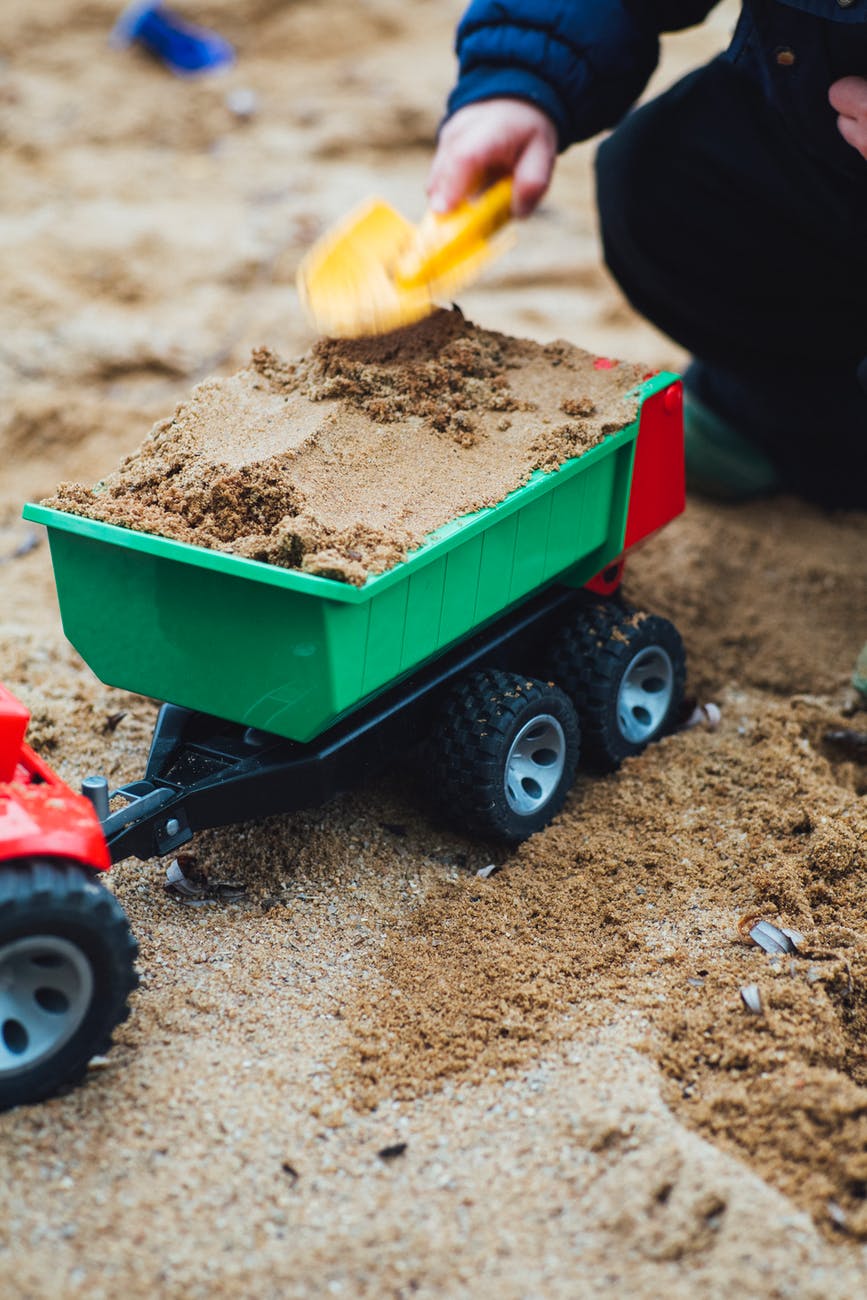
child's dump truck filled with sand
Photo by Markus Spiske on Pexels.com

Hello!

A few weeks back, I wrote about the value of a snow day.

Today I’d like to talk about the value of lunch AND recess.

These two things are important if your child is at school or at home.

We all seem to acknowledge the importance of both, but frequently both are limited to 40-45 minutes, about 20 minutes for each.

Not only that, but lunch and recess are sometimes viewed as “catch up” time, or even as a consequence for poor behavior.

Teachers and parents are under enormous pressure to make sure kids accomplish so much in any given day.

Lunch and recess can seem like the logical choice to use as time to “catch up”, or as a “reward” for good behavior, but I am here to encourage all of us to take some things into consideration when deciding to use this time for other things, and to provide some other options.

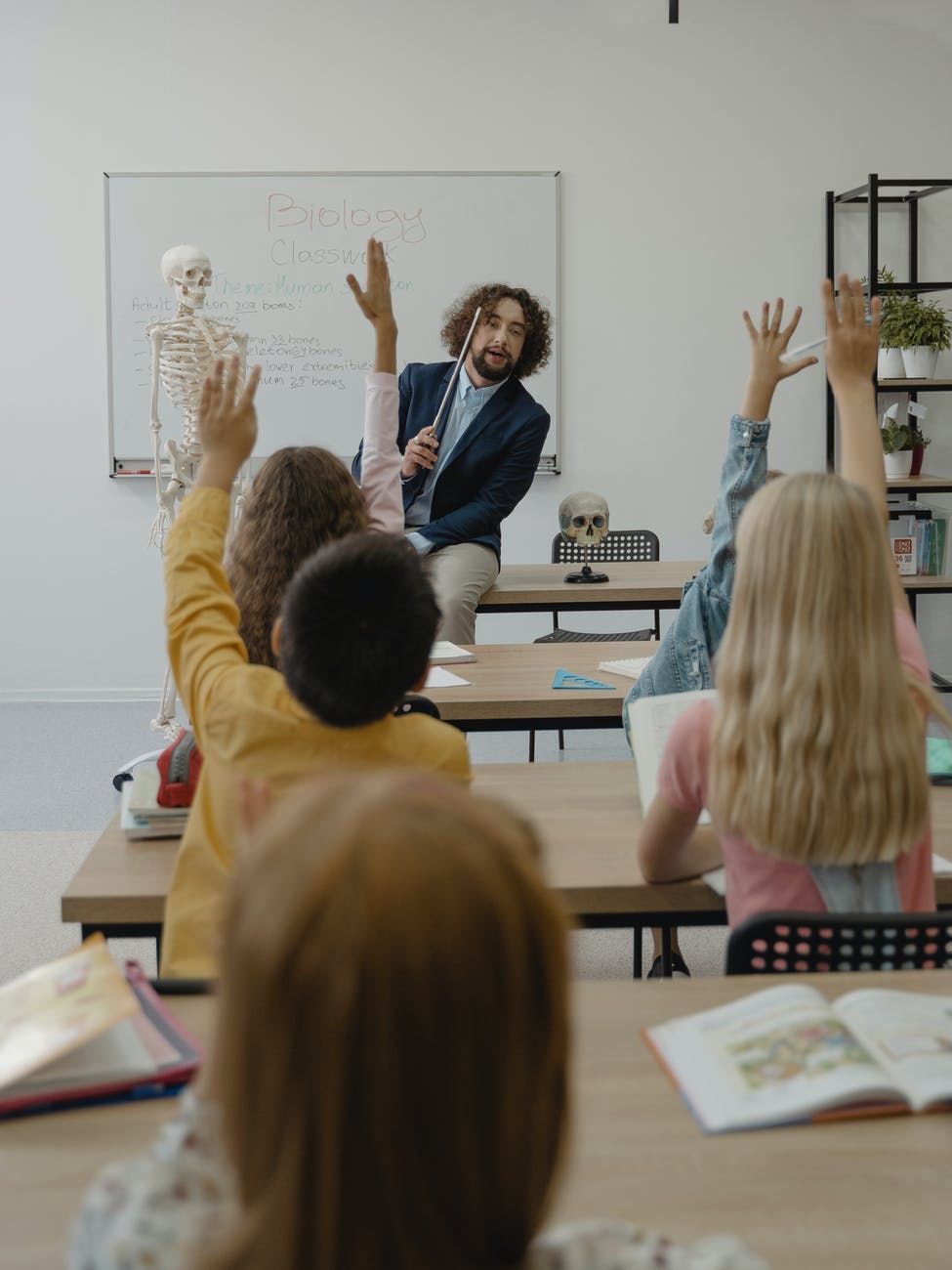
Photo by Tima Miroshnichenko on Pexels.com

Let’s dive in!

Things to Consider

Here are things to take into consideration.

  1. Kids not only need a break in their day, they deserve one.

    Kids need some down time. Lunch of course provides nutrition, and recess can provide a “reset” for their brains.
  2. There are countless studies on the importance of exercise and time outside.

    That’s what recess is!
  3. Using recess as a “reward” for good behavior is not a good idea and here’s why.

    Often kids who act out or have poor behavior need the movement recess provides.

    Having a child work through recess or sit to catch up on work (or as punishment) deprives them of the ability to reset their brains and bodies.
  4. I believe lunch and recess are part of teaching kids about “self care”.

    As adults, we often use these buzz words, but I think it’s important for kids to begin “self care” at an early age.

    Allowing time for lunch and recess without work is how we can teach kids “self care” and balance.
  5. Children who are hungry or have been sitting all morning are not at their optimal learning levels, so it doesn’t really make sense to have them work through lunch or miss recess.

    Frequently doing that creates a difficult afternoon. For everyone.

I know and understand how jam packed our kids days are now, but we as the adults need to remember to take a step back and let kids be kids, and let them rest, relax, play, and eat.

Sometimes that might mean prioritizing lunch and recess over something else that might seem more important and that’s ok.

The important stuff will get done (it always does).

Oh and lastly, remember, it’s important as an adult to get your lunch and recess everyday too!

Until next time,

a Black child with curly hair eating an orange.
Photo by Ketut Subiyanto on Pexels.com

How to Make Telehealth Work

a child in front of a computer learning remotely
Photo by Julia M Cameron on Pexels.com

Hello!

Today I’d like to talk about telehealth and how to make it work.

Many of us were jolted into the world of telehealth here in the U.S. in March 2019 due to Covid 19.

All of a sudden we needed to know how to log on, unmute, and screen share.

I have to admit, I was a little more fortunate than others, as I’ve been working in telehealth for 7 years, but even for me, it was a bit of a learning curve.

As an occupational therapist, much of my job can be hands on.

It’s hard to be hands on through a computer screen.

Good thing occupational therapists are known for thinking outside of the box, and telehealth ideas and resources have exploded over recent months.

In this post I’d like to share some of what I’ve learned delivering services via the computer.

I hope this can be helpful for therapists, teachers and families alike.

General Thoughts on Telehealth

  1. There is always something new to learn.

    Many platforms like Zoom and Google Meet are constantly changing and updating.

    New resources are popping up every day.
  2. It takes time to adjust to a hands off approach required when we are not in the same room as our students.

    This is an adjustment on our end as well as theirs.
  3. Communication is key.

    As therapist’s we have to be able to communicate and give verbal directions in a way that our clients can understand.

    This sounds easier than it is at times.
  4. PAY ATTENTION TO WHAT’S GOING ON IN YOUR BACKGROUND.

    Remember cameras capture everything.

    We are all squeezed in tight in our homes, there’s bound to be other things going on, try to remember that and minimize background disruptions.

    There’s been many an “oops” moment with cameras catching everything, it happens.

    You may also need to remind your students of this too.
  5. Every session will not go smoothly.

    I think there’s a lot of pressure on everyone to get this telehealth thing right.

    Nothing goes right 100% of the time.

    That includes telehealth. We need to go easy on each other.
  6. Skip the fancy stuff.

    There’s a lot of add-ons for telehealth, you don’t necessarily need them to have a successful session, and in fact at times all the bells and whistles can be a distraction.

    Kids are really only looking for engagement with you, so make sure you are providing that.
  7. Sometimes a less structured session can provide the most function and learning.

    Remember every second does not have to be planned out, there is learning in discovery.
  8. If you don’t know how to do something ask your student!

    Seriously, I’ve found my students are better at knowing how to do things or troubleshooting problems than I am!

    And it’s a great confidence builder for them.

Specific Telehealth Ideas and Activities

Here are a few of my favorite things to do!

  1. Youtube– YouTube is my best friend.

    Watching a visual demonstration of just about anything can really help, and since there isn’t hands on treatment over Zoom, videos can be your hands.

    You can find just about anything on Youtube.

    You can pause, rewind, fast forward or mute the sound and just watch.

    Youtube is a favorite of mine, but also of my students.
  2. Voice to text– if both you and your student have a strong connection, you can have your student voice to text information (think typing a story).

    They can control voice to text on their end, or you can do it for them because the Google docs microphone is strong enough to pick up what’s being said through the computer.
  3. Exploring– occupational therapy is all about function right?

    Learning various features on your computer is a functional activity.

    Learning what our computers can do for us is a critical skill for any age because let’s face it, we all need to know how to use and navigate the computer and the web.

    There is great value in playing around to see what happens. (Of course be careful of inappropriate content if you are on the web).
  4. The whiteboard– both Zoom and Google Meet have whiteboards.

    Use them.

    You can draw, use stamps, write, etc.

    Learning how to use and control the mouse to access the whiteboard is a great fine and visual motor coordination activity!
  5. A document camera– you can connect your ipad or iphone to your Zoom session!

    If you need to show your students something, but need them to still see your face, you can do both!
  6. Paper and pencil– remember those?

    You can do SO much with just a paper and pencil.

    Drawing, writing, coloring, origami, the possibilities are endless.
  7. Games – there are many many online games that can be used to work on skills.

    You can play I Spy, do virtual puzzles, typing games, mazes and hidden pictures.

    You can make these work by screen sharing, giving remote access to your mouse, or using the pencil tool.

    I suggest you have a few options up and ready to go before your session so you’re not having to surf the web while your student waits.
  8. Exercise – Did I mention YouTube?

    Well there are lots and lots and lots of sensory regulation and exercise videos on there (and other places on the web) that are perfect for kids.

    Any kind of movement is great given the fact we are all trapped in front of our computer screens.
  9. Meditation – we can all use a little relaxation right?

    There are many meditation videos for kids.

    I sometimes use these at the beginning of my sessions to get kids ready to sit in front of a screen.
  10. Offline activities – remember just because you are in front of a screen doesn’t mean everything you do during your sessions has to involve a screen.

    Yes, you need the video screen to see your student, but you can pick “off line” activities.

    Think craft activities, scissors, glue, coloring, origami, activity worksheets, mazes or dot to dots (if your student has a printer).

    Think about all the things you do in person that you can still do on Zoom.

There are so many new ideas coming out everyday. A simple web search will give you endless choices.

Again, your sessions don’t have to be fancy to be fun!

Lastly, I know many people like to point out the drawbacks of telehealth, and there are some, but that doesn’t mean it’s not a viable or valuable treatment method.

Part of occupational therapy is to work on independence, and telehealth inadvertently promotes that.

There are many positives to telehealth, but it is a change from what many of us are used to.

It’s important to explore and have fun and see all of the wonderful things telehealth can do.

Until next time,

The Value of a Snow Day

gingerbread cookies in the snow
Photo by Jill Wellington on Pexels.com

As I sit writing this, there’s a large storm moving through the U.S.

It started in the Midwest and is headed to the East Coast.

Everyone’s talking about it in my area.

Everyone is also talking about the fact that now that we know and have done (or are doing) virtual learning, snow days are a thing of the past.

There’s no need to have a day off from school anymore, just log on and keep learning.

There are 2 sides to this, the first being our students have already missed so much this year due to Covid, the learning must continue.

The second being, our kids have already missed so much, online learning is hard, and kids are anxious, so a snow day might be a good idea.

I’m here to advocate for the latter.

The Value of a Snow Day

I want to talk about the value of a snow day.

I am unclear when learning became all about sitting behind a desk (or in front of a screen), but it did.

I am also unclear about when the definition of learning narrowed to only mean sitting at a desk with a teacher at the front of the room giving out information.

There has been a shift from less time for lunch and recess, to more time for “learning”.

The same is now beginning to apply to snow days.

We don’t need them anymore because everyone can connect at home.

But I’m here to tell you.

We still need snow days.

Not only that, but there is great value in having them as part of a child’s school experience.

Let me take a step back and explain.

Why Snow Days and Important

As an occupational therapist (and a parent), I am frequently asked by other parents what they can do at home to help their child progress.

My first suggestion is almost always “go outside”.

Much is learned away from a desk.

Study after study prove the benefits of play and being outdoors, yet we somehow find ways to thwart that.

A snow day is the perfect opportunity to put desk learning on hold and do some outdoor/ snow day learning.

Kids learn best by doing and what’s more fun than going out in the snow?

There are so many things we can’t see that help kids develop, and movement is one of them.

When a snow day is given, there is an opportunity to break from the norm and have some fun and explore!

Build a snowman, have a snowball fight, flop down and make a snow angel.

There are too many skills to list that getting outside during a snow day can address.

a snowman holding a red shovel
Photo by Jill Wellington on Pexels.com

Now I know some will say “even with a snow day, my child will spend all day on a screen.”

This may be true, but there are some good things about screens and self directed learning.

A snow day gives children the opportunity to explore on their own, or maybe even put down the screen and play a board game, a card game, read a book, or bake with mom and dad.

Again, there are too many skills to list that are addressed by all of these activities.

So while our kids may not be learning about decimals on a snow day, I guarantee you they are learning.

And what they are learning on a snow day can have just as much value as being in a classroom virtual or otherwise.

Until next time,

PS-I realize everyone doesn’t live in a climate where snow days happen, but my main point is still there.

There is value in getting outside and having a little fun!

Holiday Gift Ideas

a Black woman and child looking at Christmas decor
Photo by Any Lane on Pexels.com

The holidays are here!

I don’t know about you, but it’s my favorite time of the year!

I frequently get questions from parents, caregivers and teachers about what to get their children for the holidays.

And now with Covid, kids could use some good old fashioned entertainment.

There are many great toys and games out there that are fun but also help children develop skills.

The classics are classics for a reason.

They have so many skills embedded in fun!

Many of these games work on multiple skills at once from turn taking to fine motor skills.

The best part is, your children don’t even know about all the skills they are working on, they are just having fun!

Here are my top 10 holiday gift ideas.

Top 10 Gifts

  1. Candy Land- a tried and true classic for all kids! Great for turn taking, fine motor and pre reading skills. (Click on the image below!)
  2. Simon- another classic that helps build memory, sequencing skills and waiting/ impulse control. (Click on the image below!)
  3. Memory -a great classic that works on fine and visual motor skills, turn taking, and working memory. (Click on the image below!)
  4. Playdoh- great for fine motor and building strength.
  5. Arts and crafts- coloring, beads, mosaics, and origami (just to name a few) all work on fine and visual motor skills as well as coordination, spatial awareness, and parts to whole skills.
  6. Legos- great for following directions, fine motor, visual motor and hand strength.
  7. Hi Ho Cherry-O- great for counting, fine motor skills, turn taking and following directions. (Click on the image below!)
  8. Jenga- great for coordination, turn taking, strategizing, visual motor planning and fine motor skills.
  9. Card games- good for pencil grip development, visual skills, turn taking, following directions.
  10. Activity books -look for books that have mazes, dot to dots, word searches and hidden pictures. Great for eye hand coordination, fine motor control, and visual motor skills. (Click on the image below!)

10 Non-Gift Ideas

Let’s remember, the holidays aren’t all about gifts.

Here are my top 10 non gift ideas.

  1. Baking- Baking works on ALL kinds of skills from planning, to following steps/directions, to time management, to fine motor and strength (think stirring) skills. Baking is a great all around activity.
  2. Art projects- Another great all encompassing activity. Let your child pick the activity or make homemade gifts this year!
  3. Outdoor activities -build a snowman, go on a walk and play I Spy in nature, take a family bike ride or a hike.
  4. Obstacle course -stuck inside? Use your couch pillows or other supplies and build an obstacle course. This is great for working on turn taking, coordination, balance, memory and following directions.
  5. Yoga -yoga is great for coordination, movement, turn taking, following directions and concentration! It’s also good for both kids and adults. (click on the image below!)
  6. Meditation and mindfulness -this is great for kids and adults alike. It teaches self awareness, self regulation, self control and following directions.
  7. Putting up holiday decorations -this activity involves planning, spatial awareness, following directions, and turn taking.
  8. Easy ball games -play catch, kick a ball towards a goal, play four square. These activities are good for visual motor coordination, turn taking, and body awareness.
  9. Movement games -Play games like “If You’re Happy and You Know It.”, Simon Says, Red Light Green Light and musical chairs. These are great games for motor coordination, waiting/impulse control, and following directions.
  10. Snuggle up and read! -this is great for simple human contact (which we could all use in our new 6 ft distant world), but it’s also good for self regulation, and comprehension and listening skills.

Until next time!

Holiday Gift Guide

Photo by Any Lane on Pexels.com

This post contains affiliate links. This means I may make a small commission from a sale used through my link in my blog.

The holidays are here! I don’t know about you, but it’s my favorite time of the year! I frequently get questions from parents, caregivers and teachers about what to get their children for the holidays. And now with Covid, kids could use some good old fashioned entertainment.

There are many great toys and games out there that are fun but also help children develop skills. The classics are classics for a reason. They have so many skills embedded in fun! Many of these games work on multiple skills at once from turn taking to fine motor skills. The best part is, your children don’t even know about all the skills they are working on, they are just having fun! Here are my top 10.

  1. Candy Land- a tried and true classic for all kids! Great for turn taking, fine motor and pre reading skills. (Click on the image below!)
  2. Simon- another classic that helps build memory, sequencing skills and waiting/ impulse control. (Click on the image below!)
  3. Memory -a great classic that works on fine and visual motor skills, turn taking, and working memory. (Click on the image below!)
  4. Playdoh- great for fine motor and building strength.
  5. Arts and crafts- coloring, beads, mosaics, and origami (just to name a few) all work on fine and visual motor skills as well as coordination, spatial awareness, and parts to whole skills.
  6. Legos- great for following directions, fine motor, visual motor and hand strength.
  7. Hi Ho Cherry-O- great for counting, fine motor skills, turn taking and following directions. (Click on the image below!)
  8. Jenga- great for coordination, turn taking, strategizing, visual motor planning and fine motor skills.
  9. Card games- good for pencil grip development, visual skills, turn taking, following directions.
  10. Activity books -look for books that have mazes, dot to dots, word searches and hidden pictures. Great for eye hand coordination, fine motor control, and visual motor skills. (Click on the image below!)

Let’s remember, the holidays are not all about gifts. It’s also about time spent together with family and friends. Here are 10 ideas for ways to spend time together.

  1. Baking- Baking works on ALL kinds of skills from planning, to following steps/directions, to time management, to fine motor and strength (think stirring) skills. Baking is a great all around activity.
  2. Art projects- Another great all encompassing activity. Let your child pick the activity or make homemade gifts this year!
  3. Outdoor activities -build a snowman, go on a walk and play I Spy in nature, take a family bike ride or a hike.
  4. Obstacle course -stuck inside? Use your couch pillows or other supplies and build an obstacle course. This is great for working on turn taking, coordination, balance, memory and following directions.
  5. Yoga -yoga is great for coordination, movement, turn taking, following directions and concentration! It’s also good for both kids and adults. (click on the image below!)
  6. Meditation and mindfulness -this is great for kids and adults alike. It teaches self awareness, self regulation, self control and following directions.
  7. Putting up holiday decorations -this activity involves planning, spatial awareness, following directions, and turn taking.
  8. Easy ball games -play catch, kick a ball towards a goal, play four square. These activities are good for visual motor coordination, turn taking, and body awareness.
  9. Movement games -Play games like “If You’re Happy and You Know It.”, Simon Says, Red Light Green Light and musical chairs. These are great games for motor coordination, waiting/impulse control, and following directions.
  10. Snuggle up and read! -this is great for simple human contact (which we could all use in our new 6 ft distant world), but it’s also good for self regulation, and comprehension and listening skills.

Until next time, wishing you a merry and bright holiday season!

Marina

Occupational Therapy in the Time of Covid

A girl sitting with her hand raised looking at a computer screen

First I’d like to say hello and welcome!

I’m glad you’ve found me here at SuperKids Occupational Therapy and I am excited to be starting a blog!


A quick introduction, my name is Marina and I’ve been a pediatric occupational therapist for over 20 years.

If you want to learn more about me or what I do, please feel free to browse my website.

a blue medical mask
Photo by Kai Pilger on Pexels.com


Initially, I had written this long introduction and recap of this wacky world we are now all living in, but, I realized I wasn’t really getting to the point.

Covid. Now What?

Covid has turned the world upside down.

Covid has changed most everything, including occupational therapy services, making it both harder and easier to reach families and kids.

The basic question is, “what can we do to continue to support our kids occupational therapy needs during Covid and remote learning?”

Here are a few ideas.


●Remember OT can be done virtually. (I’ve been a teletherapist for 6 years, trust me on this one!).


● Identify priorities. These may be the same things as they were before Covid or they may have changed.


● One step at a time. There are many skills that can be taught in just teaching kids how to log on and connect virtually. Having your child comfortable with a new way of receiving OT is the first step. Remember OT is all about function!


● Mistakes will be made. From losing the wifi signal, to forgetting to log on, to not having supplies. No one’s perfect.


● Remember to have fun! One of the things I love most about OT is how much fun it is. These are stressful times, aren’t we all looking for a little fun? SO much can be learned while having a little fun!


● We are in this together. I know how critical services are, especially now. I want the same thing you want for your child, for them to receive OT and to watch them progress.

That’s it for now, but tune in for my next post about specific quarantine activities that can help build skills! Stay healthy!

sunset shadow of 2 people making a heart with their hands