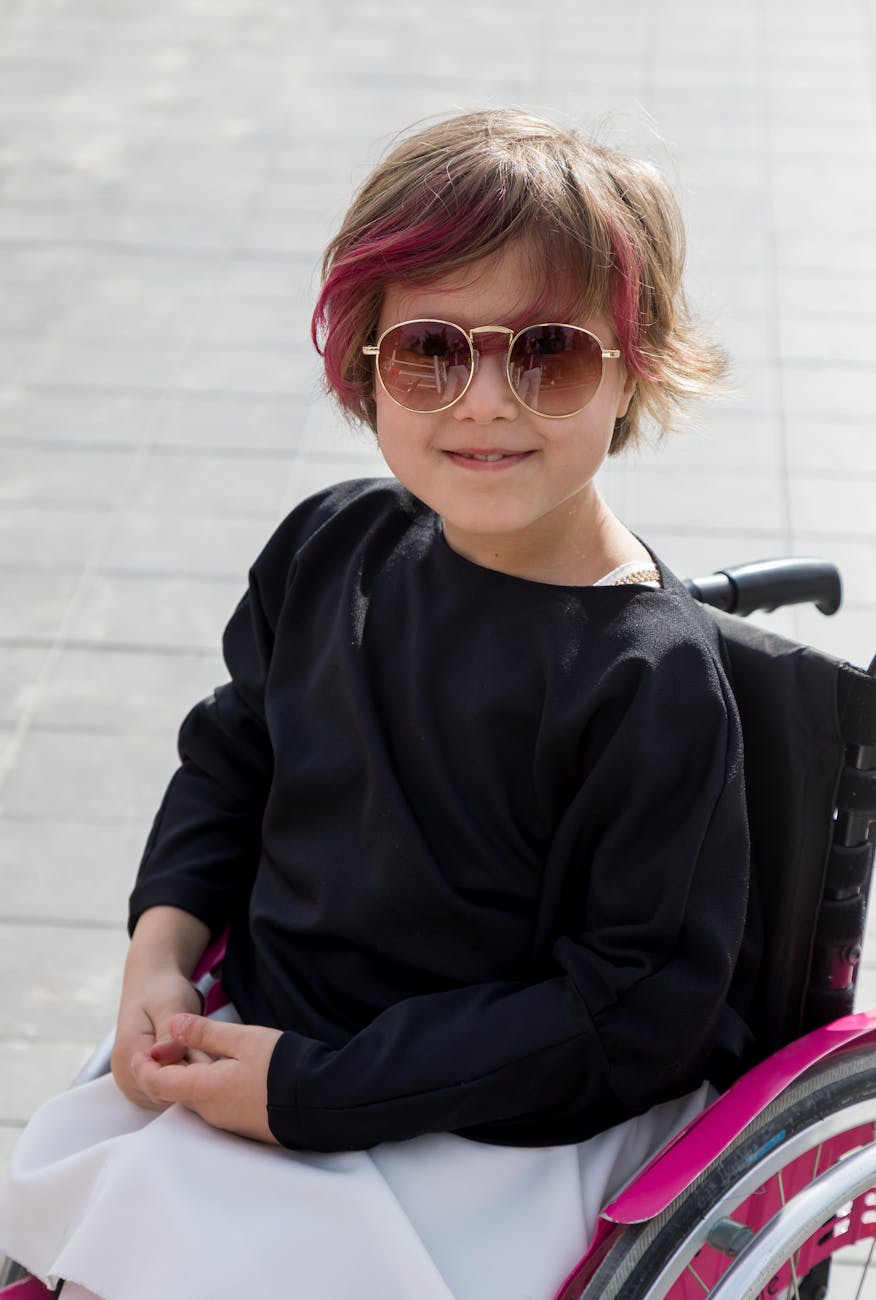
Meaningful Inclusion of All Students in the Classroom: Why Everyday Inclusion Matters

Inclusion is more than just a policy—it’s a practice that shapes the culture of a classroom.

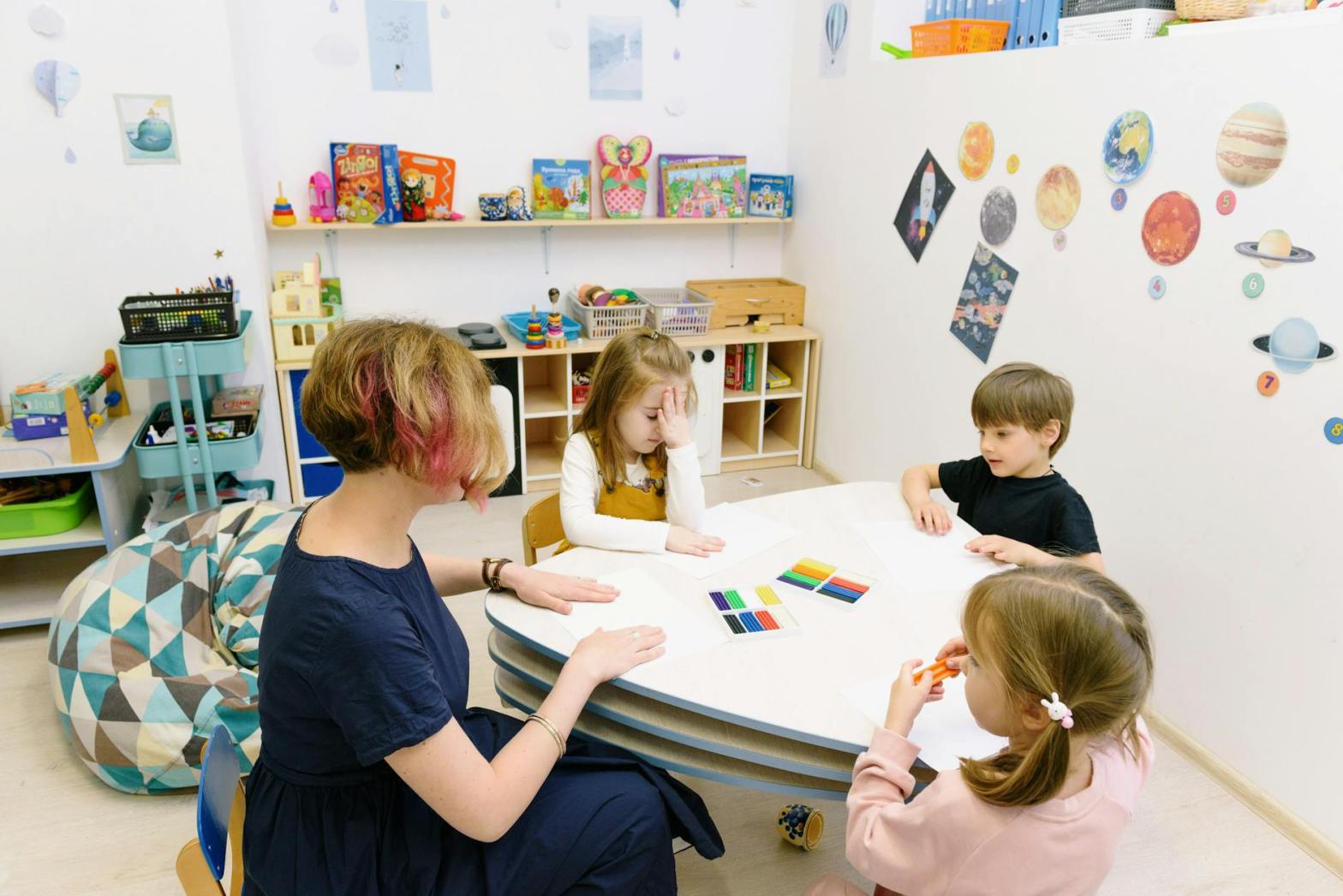
For all students, meaningful inclusion goes beyond physical placement in a general education room.

It’s about ensuring all students have the tools, supports, and opportunities to truly participate in daily classroom life.

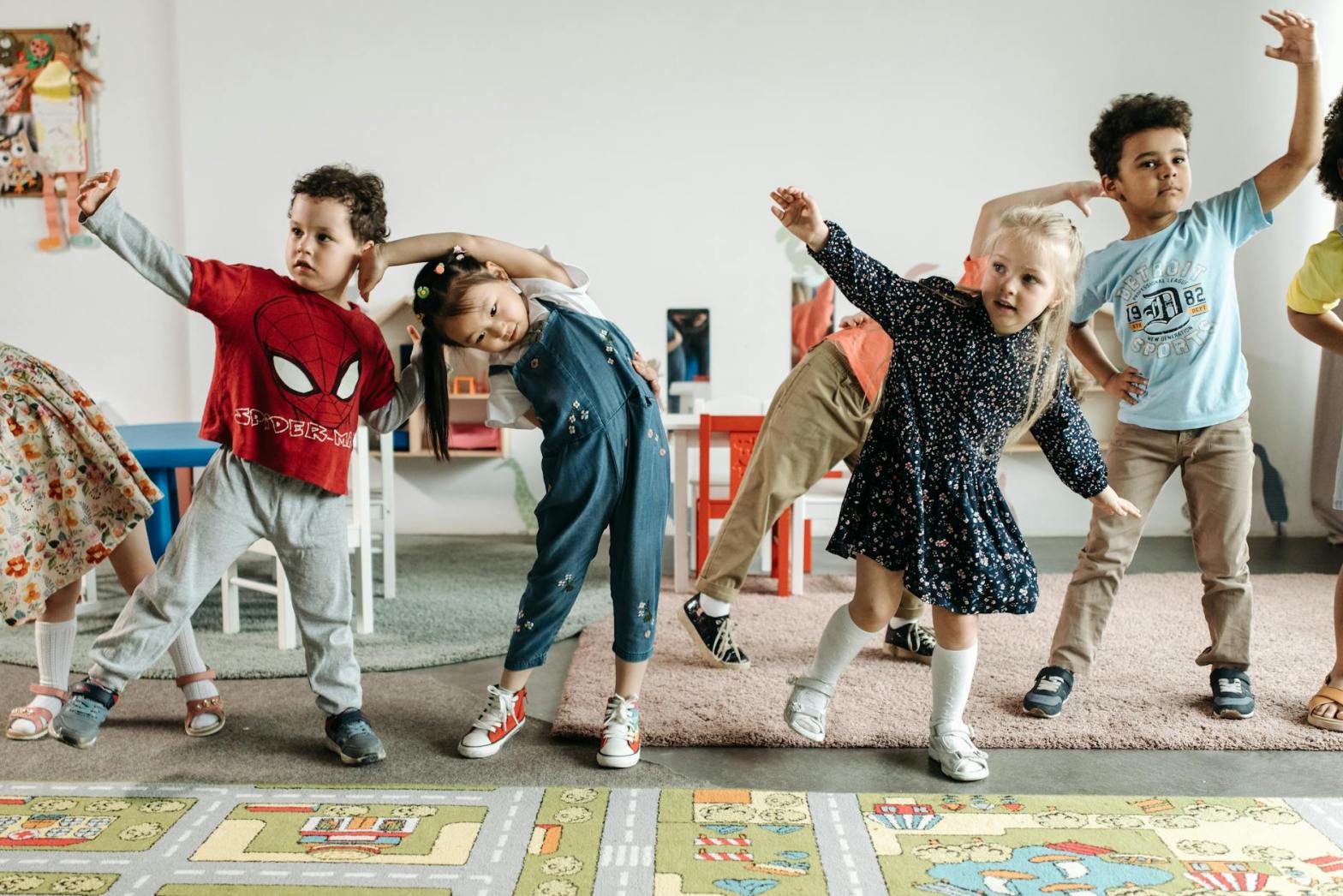
When classrooms embrace inclusion, everyone benefits.

How Parents Can Sort Through Online Parenting Advice to Do What Works Best for Their Child

Parenting in the digital age is both a blessing and a challenge. With just a few clicks, parents can access endless blogs, social media posts, videos, and expert opinions about raising children. While this wealth of information can be helpful, it can also feel overwhelming, confusing, and sometimes contradictory.

Attention vs. Compliance: Why the Difference Matters

In classrooms everywhere, teachers and staff often ask occupational therapists to help when a student is “not paying attention.”

Sometimes, however, what adults describe as an “attention problem” is really about compliance—whether or not the child is following directions.

What is Interoception and Why It Matters for Children and Adults

Interoception is a term you might not hear every day, but it plays a crucial role in how we understand and respond to our own bodies.

Why Play Is the Most Developmentally Important Skill of Early Childhood

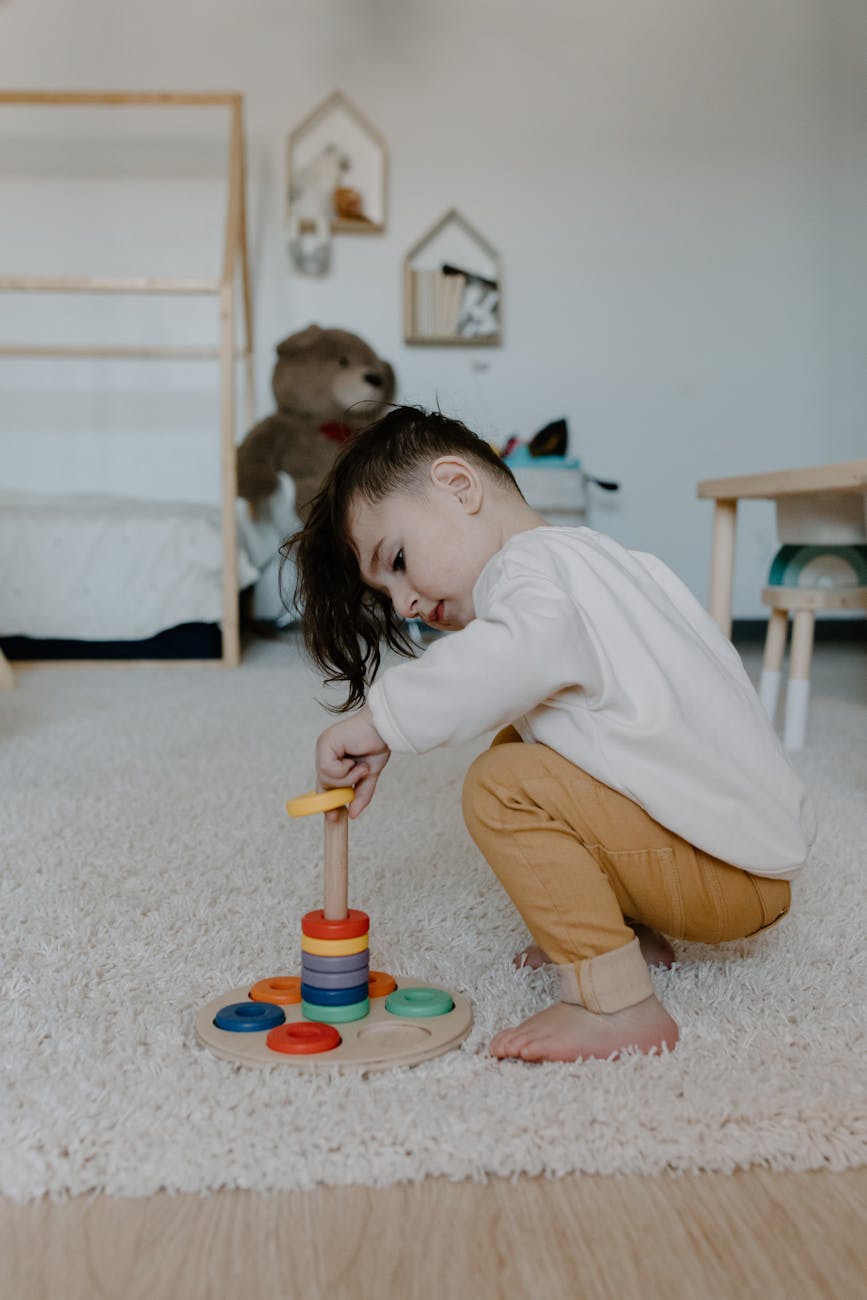
In a world where milestones, academic achievement, and structured learning seem to matter earlier and earlier, it’s easy to forget one of the most powerful tools we have for supporting a young child’s development: play.

The Future of Pediatric Occupational Therapy: How AI Is Transforming the Way We Support Children

Artificial intelligence (AI) is beginning to reshape the way we assess, plan, and support occupational therapy interventions — opening up exciting possibilities for both therapists and families.

How to Be a Neuro-Affirming Pediatric Occupational Therapist

The field of pediatric occupational therapy is evolving—and so is the way we understand and support neurodivergent children.

Sensory-Friendly Classroom Ideas

A sensory-friendly classroom is more than just a calm space—it’s a learning environment intentionally designed to support students with a wide range of needs.

Five Signs Kids Display When Overstimulated at School (and How to Support Them)

Here are five common signs that a child may be overstimulated at school—and how to help them find calm again.