Inclusion When You Can’t Sit Still: Supporting Every Child’s Need to Move

In today’s classrooms, the word inclusion is used often—and for good reason.

Every child deserves the opportunity to learn, participate, and feel accepted for who they are.

But inclusion can sometimes feel challenging when a student “can’t sit still.”

Why Whole Body Listening Doesn’t Work for Every Child (and What to Do Instead)

In many classrooms, students are introduced to the concept of whole body listening.However, for many kids—especially those who are neurodivergent, have sensory processing differences, or simply learn in diverse ways—whole body listening can actually be counterproductive.

Balancing Digital Use with Sensory-Motor Activities

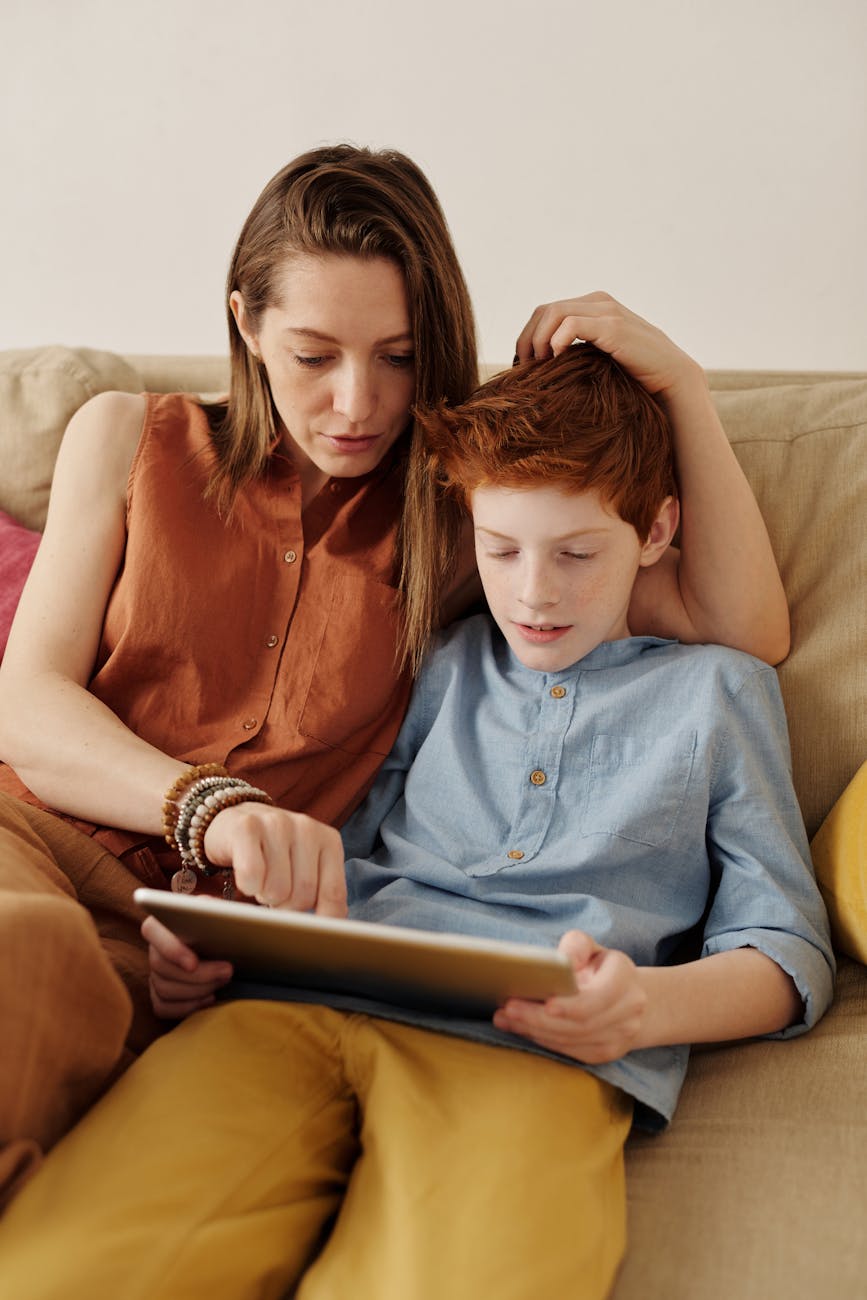
Excessive screen time has raised concerns regarding children’s physical, cognitive, sensory, and emotional development.

Pediatric occupational therapists (OTs) play a vital role in helping families establish healthy screen time habits while promoting essential sensory-motor activities for overall development.

Meaningful Inclusion of All Students in the Classroom: Why Everyday Inclusion Matters

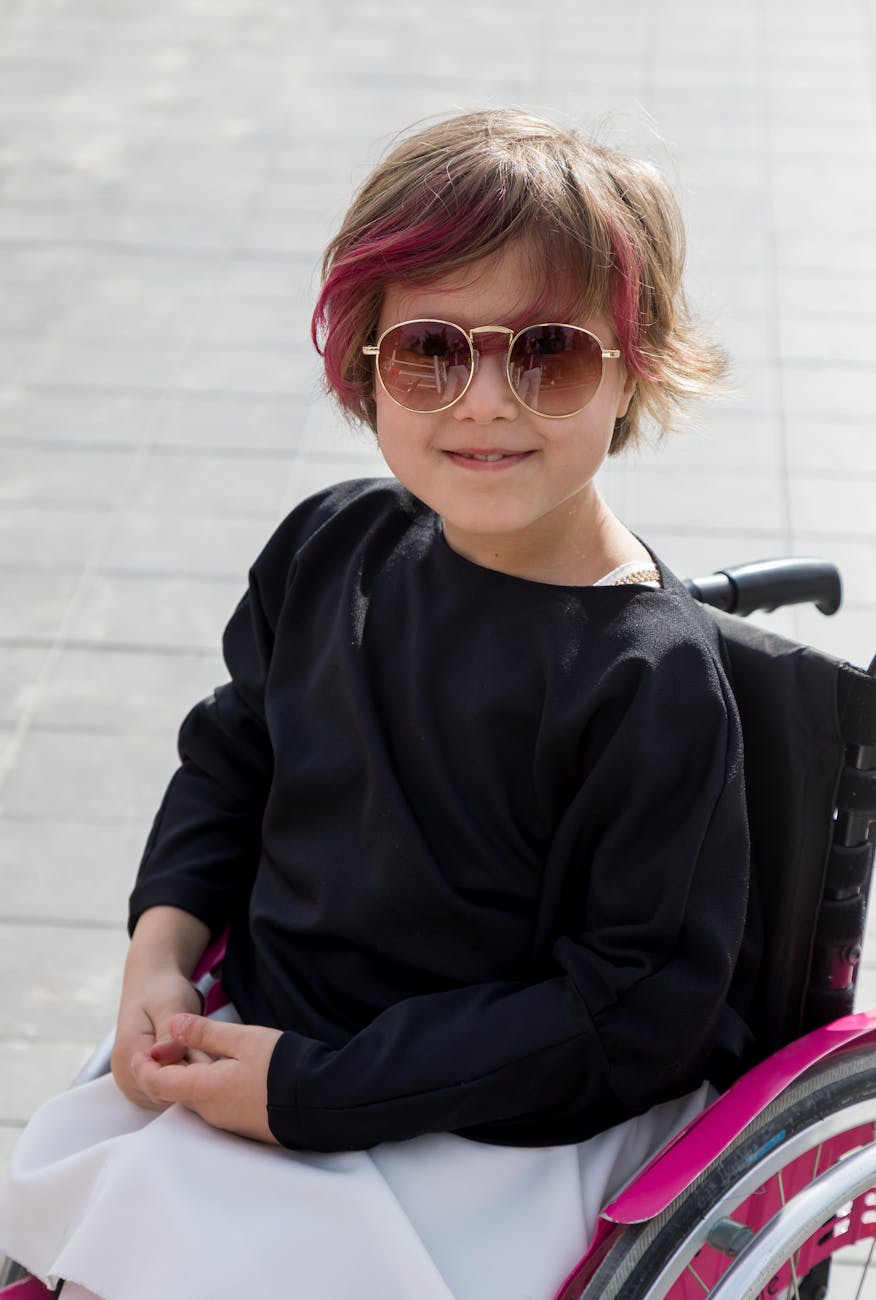
Inclusion is more than just a policy—it’s a practice that shapes the culture of a classroom.

For all students, meaningful inclusion goes beyond physical placement in a general education room.

It’s about ensuring all students have the tools, supports, and opportunities to truly participate in daily classroom life.

When classrooms embrace inclusion, everyone benefits.

What is Interoception and Why It Matters for Children and Adults

Interoception is a term you might not hear every day, but it plays a crucial role in how we understand and respond to our own bodies.

Why Play Is the Most Developmentally Important Skill of Early Childhood

In a world where milestones, academic achievement, and structured learning seem to matter earlier and earlier, it’s easy to forget one of the most powerful tools we have for supporting a young child’s development: play.

The Future of Pediatric Occupational Therapy: How AI Is Transforming the Way We Support Children

Artificial intelligence (AI) is beginning to reshape the way we assess, plan, and support occupational therapy interventions — opening up exciting possibilities for both therapists and families.

Five Signs Kids Display When Overstimulated at School (and How to Support Them)

Here are five common signs that a child may be overstimulated at school—and how to help them find calm again.

Lived Experience as Evidence-Based Practice: Why Personal Stories Matter in Professional Care

In healthcare, education, and therapy, the phrase “evidence-based practice” is often front and center.But there’s a growing movement recognizing that lived experience—the firsthand experiences of individuals navigating challenges, systems, or conditions—is a vital, and often missing, piece of the evidence-based puzzle.

Sensory-Friendly Strategies for Theme Parks and Entertainment Venues

Explore proven strategies to make theme parks and entertainment venues sensory‑friendly, driving attendance and guest satisfaction—SuperKids OT can help.