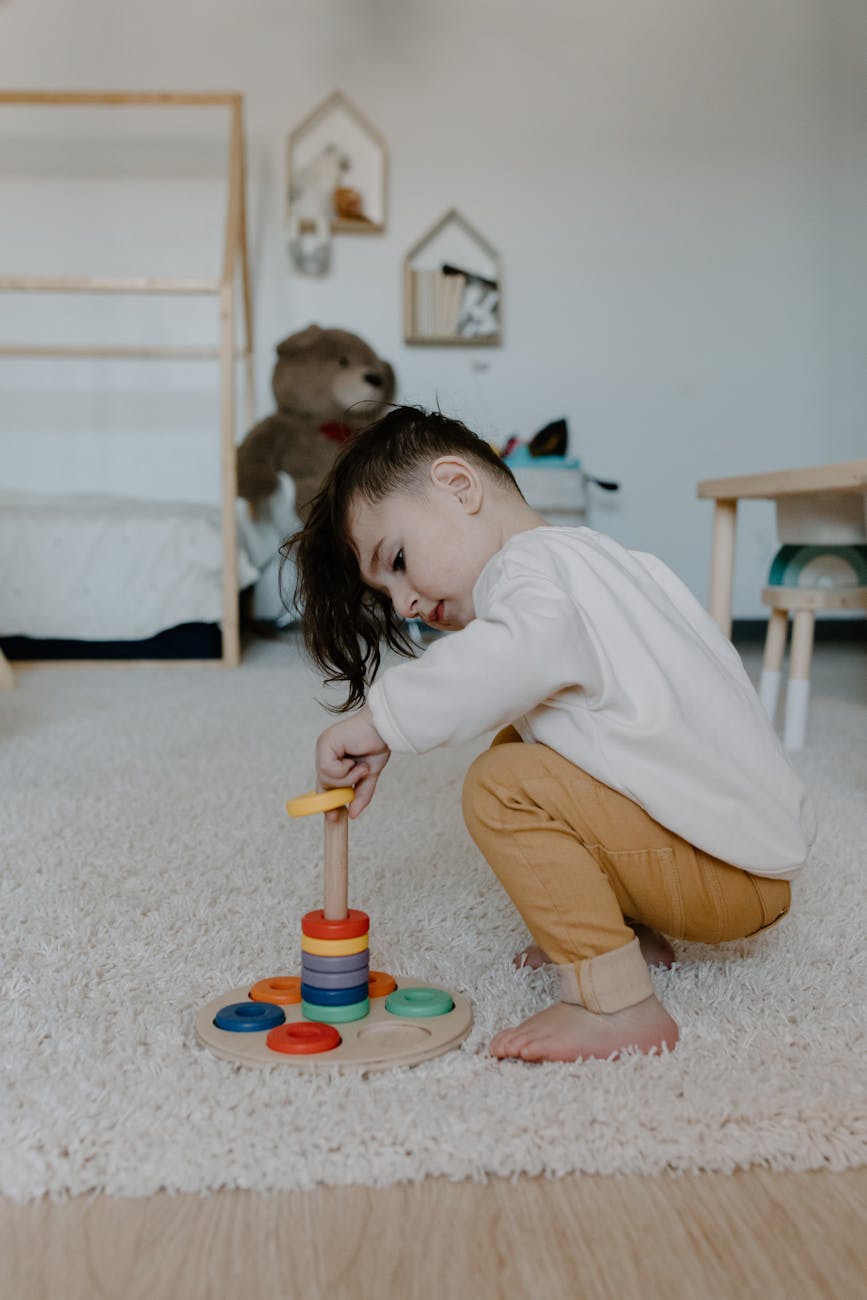
Inclusion When You Can’t Sit Still: Supporting Every Child’s Need to Move

In today’s classrooms, the word inclusion is used often—and for good reason.

Every child deserves the opportunity to learn, participate, and feel accepted for who they are.

But inclusion can sometimes feel challenging when a student “can’t sit still.”
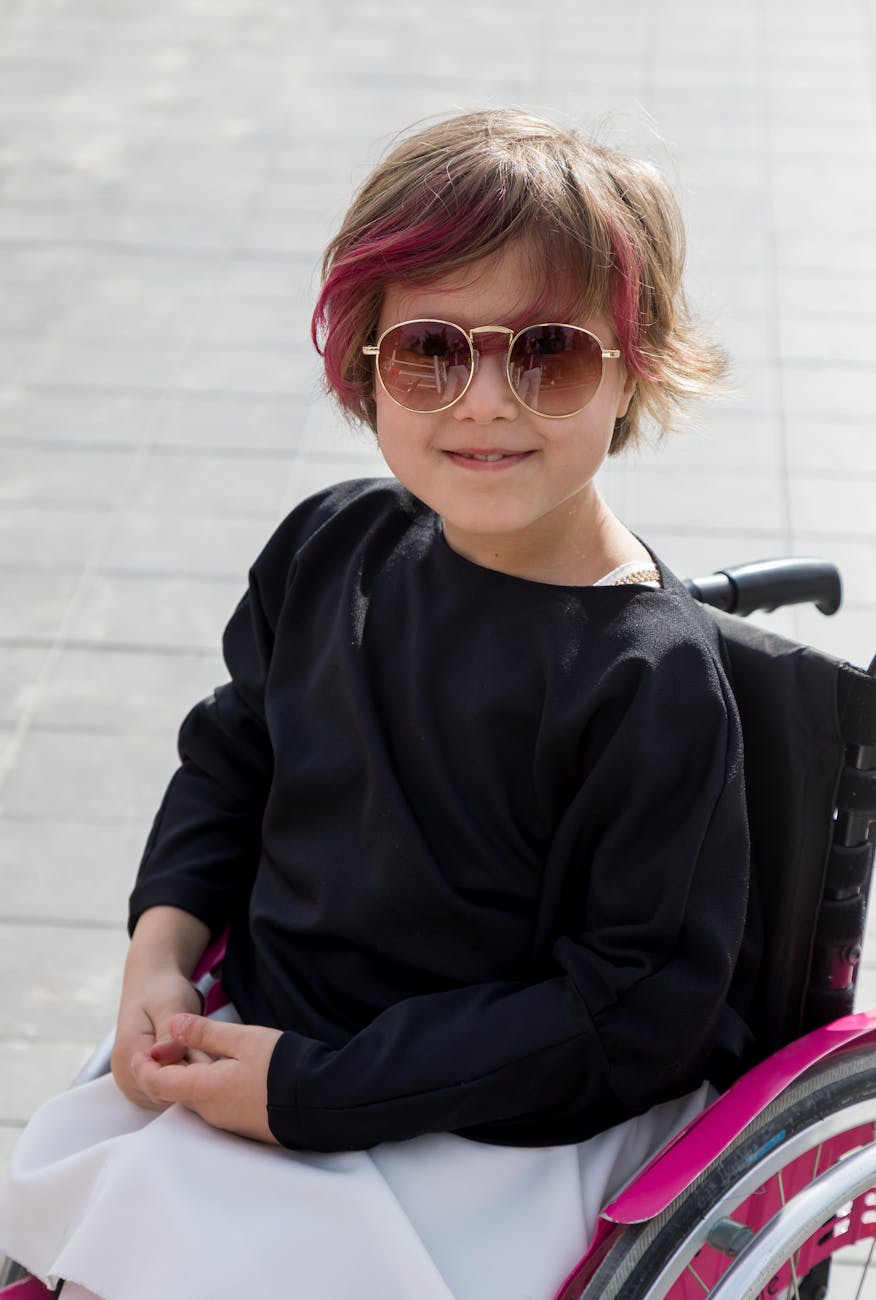
Meaningful Inclusion of All Students in the Classroom: Why Everyday Inclusion Matters

Inclusion is more than just a policy—it’s a practice that shapes the culture of a classroom.

For all students, meaningful inclusion goes beyond physical placement in a general education room.

It’s about ensuring all students have the tools, supports, and opportunities to truly participate in daily classroom life.

When classrooms embrace inclusion, everyone benefits.

Why Play Is the Most Developmentally Important Skill of Early Childhood

In a world where milestones, academic achievement, and structured learning seem to matter earlier and earlier, it’s easy to forget one of the most powerful tools we have for supporting a young child’s development: play.

Workplace Sensory Design: Supporting Neurodiverse Employees for Higher Productivity

Learn how sensory‑friendly office design boosts employee well‑being and productivity—insights and actionable steps from SuperKids OT.

Movement as a Learning Style for Kids: Unlocking the Power of the Body for the Brain

When we think of learning, we often picture a child sitting quietly at a desk, pencil in hand, eyes fixed on a worksheet or chalkboard.

But for many children, especially in the early years, this traditional model doesn’t match how their brains are wired to absorb information.