

Introduction
Dining out is a beloved experience for many families, yet for individuals with sensory processing differences, restaurants can be overwhelming, uncomfortable, or even impossible to navigate.
Loud noises, strong smells, bright lights, and crowded layouts all contribute to sensory overload.
As awareness of neurodiversity increases, so too does the need for sensory-inclusive restaurants that cater to the needs of all diners.
Occupational therapists are knowledgeable about how to support the hospitality industry in creating sensory-friendly spaces.
Creating a welcoming dining environment not only makes a meaningful difference for families and individuals with sensory needs, but it also opens your business to a growing, loyal customer base.
In this article, we’ll cover the most common sensory challenges in restaurants, how to address them, how an occupational therapist can help, and why now is the perfect time to begin the shift toward accessibility and inclusion.
Understanding Sensory Challenges in Restaurants
Sensory processing refers to how the brain interprets information from the environment.
For people with sensory processing differences—common in individuals with autism, ADHD, anxiety, and other conditions—certain environmental input can be too intense, too fast, or too unpredictable.
In restaurants, common triggers include:
- Sudden loud noises: Clanging dishes, coffee grinders, blenders, and raised voices can be jarring.
- Overpowering smells: Strong cooking aromas, cleaning products, or perfume from nearby guests can become overwhelming.
- Flashing screens or bright lights: Overhead lighting, flickering bulbs, or brightly colored digital displays may lead to sensory fatigue.
- Tight seating arrangements: Lack of personal space and crowded dining rooms increase anxiety.
- Long wait times and unpredictable transitions: Uncertainty around seating, ordering, and food arrival can create stress for neurodivergent individuals.

Quick-Win Adjustments for Immediate Impact
Many sensory-friendly adaptations are simple to implement and cost-effective. Consider starting with these quick adjustments:
- Sound Dampening: Add felt or rubber pads under chair and table legs. Use curtains, acoustic wall panels, or upholstered furniture to absorb sound. Keep the music volume low or allow guests to request a quieter table.
- Lighting Adjustments: Replace flickering or overly bright bulbs with warm-toned LEDs. Where possible, use dimmable lighting in certain seating areas. Avoid harsh spotlighting.
- Scent Control: Ensure proper ventilation to prevent cooking odors from lingering in the dining room. Choose fragrance-free cleaning supplies.
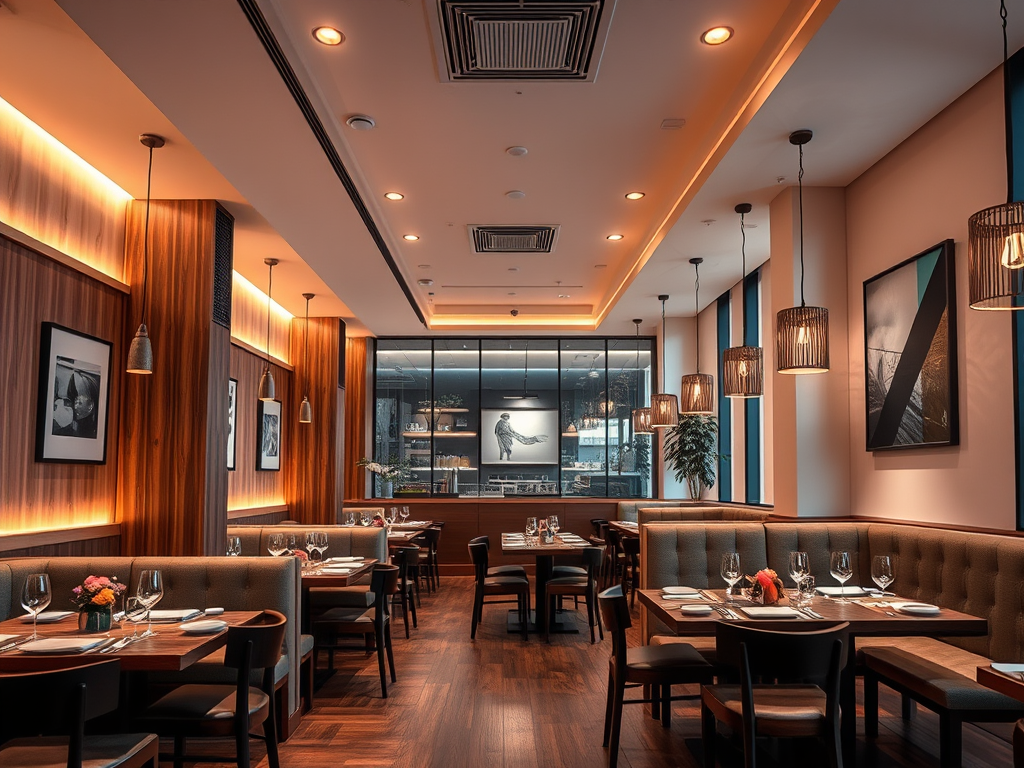
- Clear Visual Layouts: Organize tables and decor in a way that reduces visual clutter. Use calm, neutral tones and avoid overly busy wall art.
These changes not only support guests with sensory needs—they also enhance the overall atmosphere of your restaurant.
Creating Quiet Zones and Special Seating Options
Dedicate a section of the restaurant for low-stimulation dining. This can be especially helpful during peak hours or when hosting families with children.
Key features of a sensory-friendly seating zone:
- Located away from the kitchen, speakers, and restrooms
- Calming decor with minimal distractions
- Adjustable lighting or natural light when possible
- Soft seating or booths with physical boundaries for comfort
To help families plan their visit, promote quiet seating availability on your website or reservation platform.
Enhancing the Menu Experience
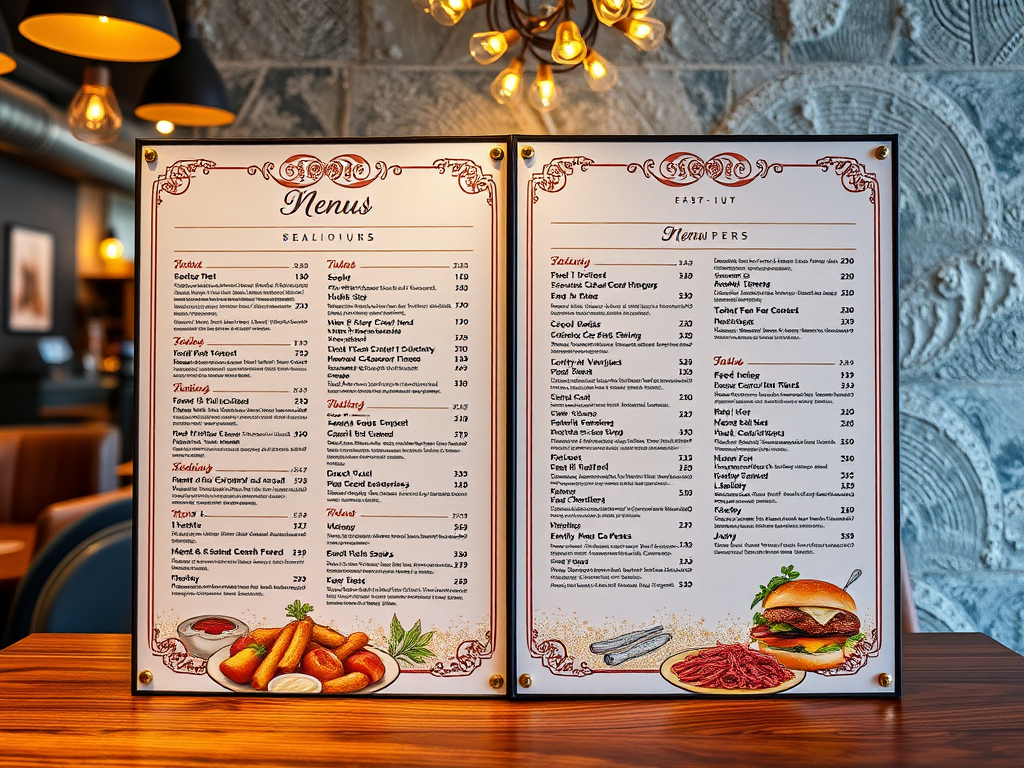
For some guests, the sensory experience of food—including texture, temperature, or presentation—can be overwhelming.
Thoughtful menu design helps minimize discomfort and builds trust.
Helpful strategies include:
- Visual menus: Include photos of dishes to prepare diners for presentation and portion size.
- Sensory indicators: Use icons or descriptions to identify food textures (e.g., crunchy, creamy, soft).
- Custom requests: Allow simple substitutions without hassle (e.g., no sauce, plain pasta, separate items).
- Small plate options: Offer child-size or half portions for those who may feel overwhelmed by large servings.
Staff Training: The Human Touch
A sensory-inclusive atmosphere is only as strong as the team behind it. Occupational therapists can help train your staff to support all guests with patience, flexibility, and understanding.
Training recommendations from an occupational therapist:
- Explain common sensory differences and how they may appear in behavior.
- Practice respectful communication—never assume, always ask.
- Offer to seat guests in quieter areas if they seem overwhelmed.
- Teach how to handle requests discreetly, such as dimming lights or splitting a meal.
Many restaurants also benefit from creating a small “sensory kit” with items like:
- Noise-reducing headphones
- Fidget toys or stress balls
- Weighted lap pads
These items can be offered discreetly upon request or reserved for sensory-friendly dining hours.
Marketing Your Sensory-Inclusive Efforts
Letting the public know that your restaurant is inclusive is key to building loyalty and drawing in new business.
Promote your efforts by:
- Featuring sensory-friendly dining hours and quiet zones on your website
- Highlighting menu features and staff training on social media
- Joining directories that list accessible or autism-friendly businesses
- Partnering with local advocacy groups to host community nights or awareness events
Encourage satisfied families to leave reviews and share their positive experiences.
Benefits of Sensory-Inclusive Dining
Restaurants that embrace sensory inclusion report numerous benefits:
- Increased customer loyalty from families who feel welcome
- Greater community support and positive brand reputation
- Longer table times and higher spend from comfortable guests
- Competitive differentiation in a crowded hospitality market
You’re not only creating a better experience for a specific population—you’re elevating your brand in the process.
Call to Action
Dining should be an enjoyable and accessible experience for everyone. By creating a sensory-inclusive restaurant environment, you’re showing your customers that you care deeply about their well-being.
If you’re ready to take the next step toward making your restaurant more welcoming for neurodiverse guests, SuperKids Pediatric Occupational Therapy is here to help.
I offer expert consulting services tailored to restaurants and hospitality venues, including sensory audits, menu review, layout suggestions, and staff training.
Contact me today to schedule a consultation and transform your dining space into one that’s truly inclusive.
 SuperKids Pediatric Consulting Services