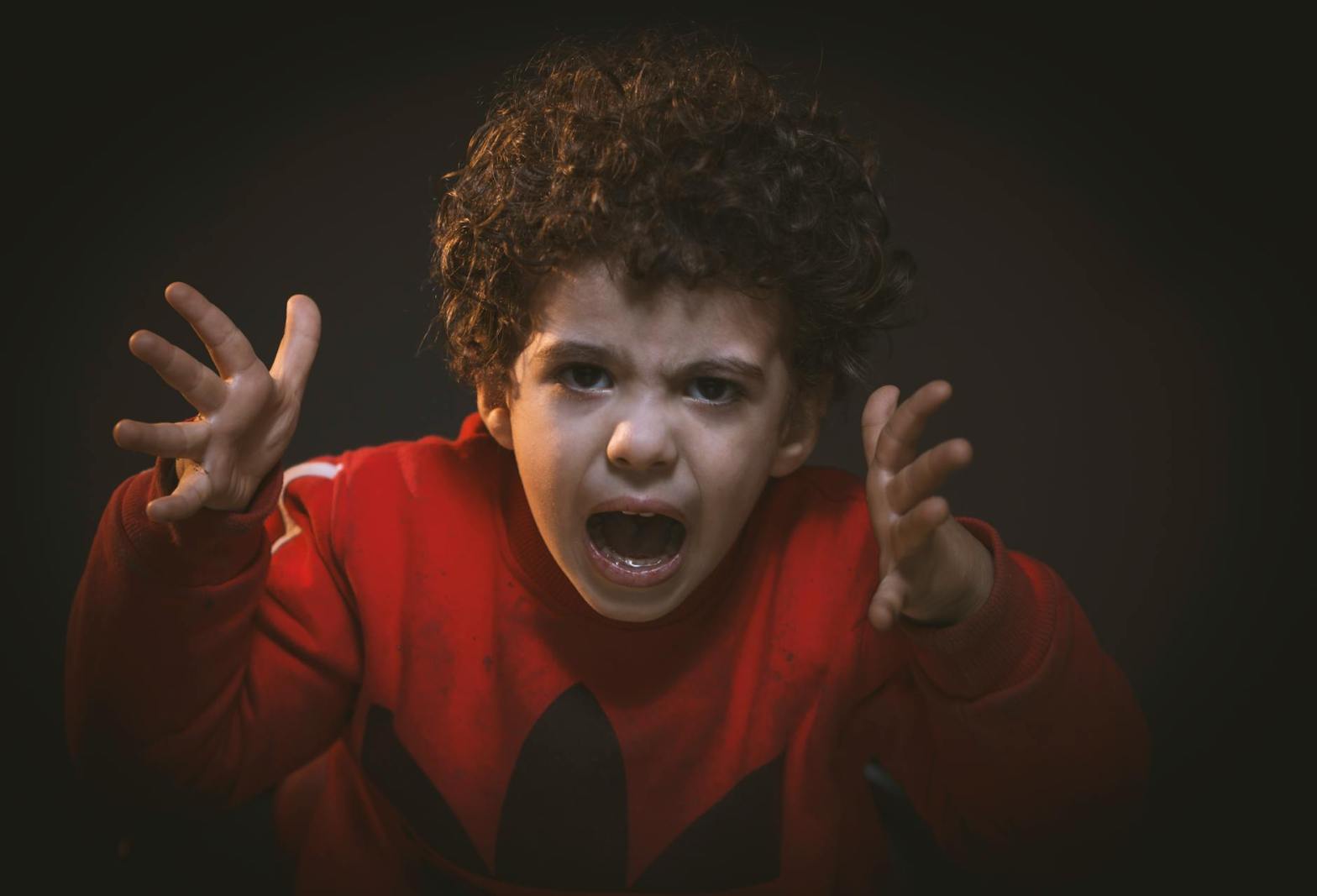
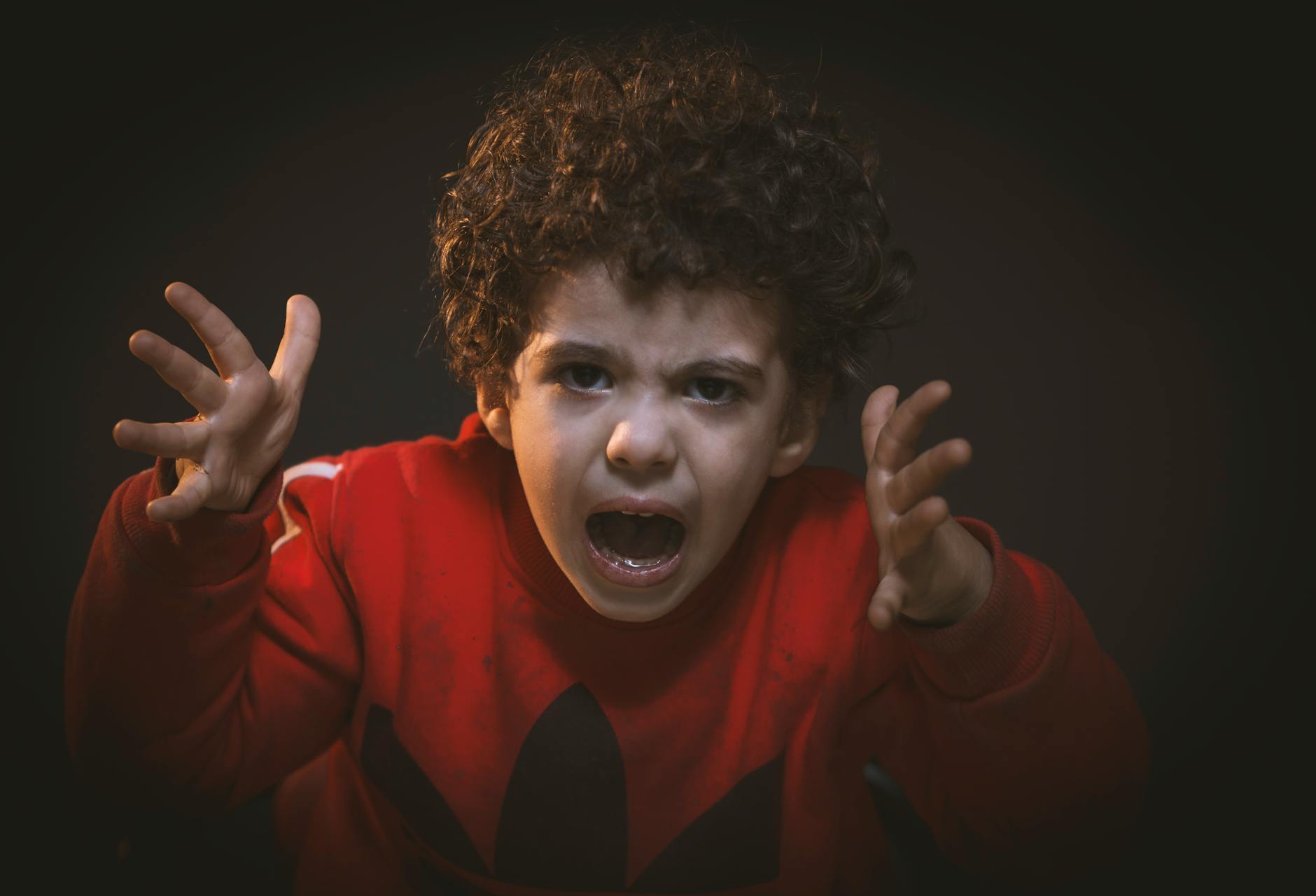
If you’ve ever watched your child suddenly melt down after what seemed like a small frustration, you may have seen dysregulation in action.
The word can sound clinical, but it’s something many children experience.
Dysregulation is not about being “bad” or “misbehaving.”
It’s about a child’s nervous system becoming overwhelmed and struggling to return to a calm, balanced state.
Understanding dysregulation is the first step in helping children manage big emotions, stay connected, and thrive at home and in the classroom.
What Does Dysregulation Mean?
Dysregulation happens when a child’s body and brain are out of balance.
Our nervous system has built-in “regulators” that help us stay calm, focused, and flexible.
When we feel safe and secure, we can think clearly, problem-solve, and manage emotions.
But when a child becomes overwhelmed—by stress, sensory input, or strong feelings—their nervous system shifts into a fight, flight, or freeze response.
In that moment, the child isn’t choosing to misbehave.
They are dysregulated and often unable to access reasoning, self-control, or calm communication.
Signs of Dysregulation in Children
Dysregulation looks different for every child, but some common signs include:
- Emotional outbursts: crying, yelling, or sudden irritability.
- Aggressive behaviors: hitting, kicking, throwing things, or pushing peers.
- Withdrawal: shutting down, hiding, or refusing to participate.
- Restlessness: pacing, fidgeting, or being unable to sit still.
- Sensory overload: covering ears, refusing certain textures, or reacting strongly to noise or lights.
- Difficulty calming down: staying upset for a long time after the trigger has passed.
These behaviors are often misunderstood as misbehavior, when in fact they are signs that the child’s nervous system is overwhelmed and needs support.
Why Do Children Become Dysregulated?
Children can become dysregulated for many reasons.
Some of the most common include:
- Sensory processing differences – Loud sounds, bright lights, or uncomfortable clothing can overwhelm a child’s senses.
- Transitions and changes – Shifting from one activity to another, or unexpected changes in routine, may trigger stress.
- Big emotions – Feelings like frustration, excitement, or disappointment can be hard to manage without adult support.
- Fatigue or hunger – A tired or hungry child is more likely to become dysregulated quickly.
- Underlying differences – Children with ADHD, autism, anxiety, or trauma histories may be more sensitive to stress and sensory input.
When we understand the “why” behind the behavior, we can respond with empathy instead of frustration.
What Dysregulation Looks Like in Real Life
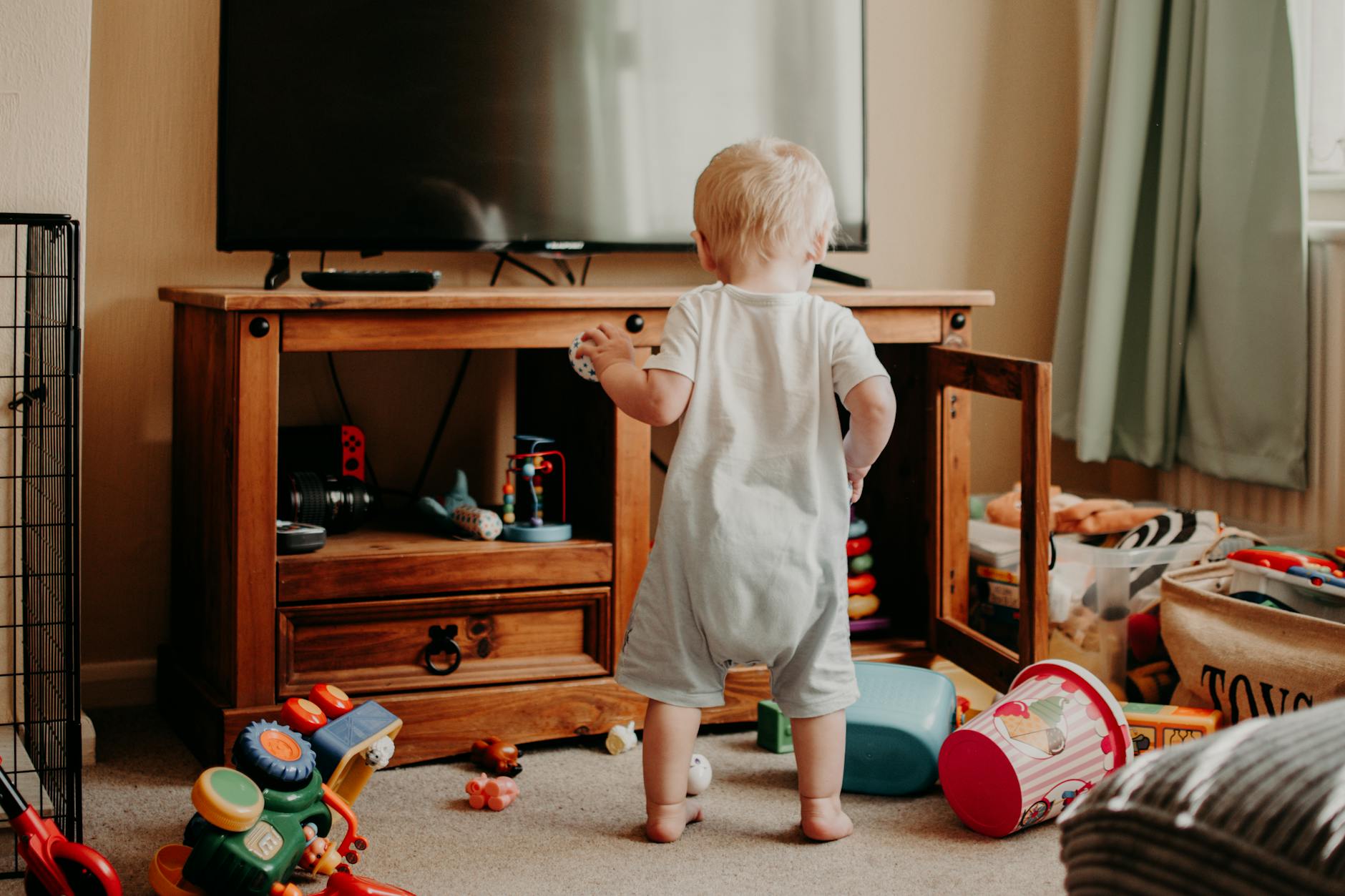
Imagine a child in a classroom who is asked to stop playing and line up for recess.
For most children, this is a small transition.
But for a child who struggles with regulation, this shift may feel overwhelming.
They may cry, refuse to move, or lash out.
At home, dysregulation might show up when a parent says “no” to more screen time.
Instead of calmly accepting the limit, the child may yell, slam doors, or throw toys.
In both examples, the behavior is not about defiance—it’s about a nervous system that doesn’t yet have the tools to manage stress and disappointment.
Supporting a Child Through Dysregulation
When a child is dysregulated, the goal is not discipline—it’s connection and safety.
Here are a few strategies parents and teachers can use:
Stay calm yourself: Children borrow calm from the adults around them.
A steady voice and body language can help regulate them.
Offer co-regulation: Sit nearby, use a soft voice, and reassure the child that they are safe.
Create a sensory-friendly environment: Reduce noise, dim lights, or offer tools like headphones or weighted items.
Use movement breaks: Jumping, stretching, or walking can help reset the nervous system.
Teach coping skills: Once calm, help the child practice deep breathing, using words for feelings, or requesting a break.
Remember: teaching regulation is a process.
Children don’t learn it overnight, but with consistent support, their skills grow over time.

Final Thoughts
Dysregulation in children is not a sign of poor behavior or bad parenting.
It’s a sign that a child’s nervous system is overwhelmed and needs support to return to balance.
By recognizing the signs of dysregulation, responding with empathy, and teaching coping tools, we can help children feel safe, understood, and capable.
When adults reframe behavior as communication, we move from punishment to partnership.
And in that shift, children gain the space to learn the most important skill of all: how to regulate their own emotions and thrive in a world full of challenges.
Call to Action
Struggling to understand your child’s emotional ups and downs?
Don’t navigate it alone.
Contact me today to learn practical strategies and occupational therapy techniques that help children regulate their emotions and thrive.
 SuperKids Pediatric Consulting Services