How Occupational Therapy Can Help Teenagers and Post-Graduate Students Thrive

When people hear “occupational therapy” (OT), they often think about young children developing motor skills or older adults recovering from injury.

However, occupational therapy is just as valuable for teenagers and post-graduate students navigating the challenges of school, independence, and transitioning into adult life.

Attention vs. Compliance: Why the Difference Matters

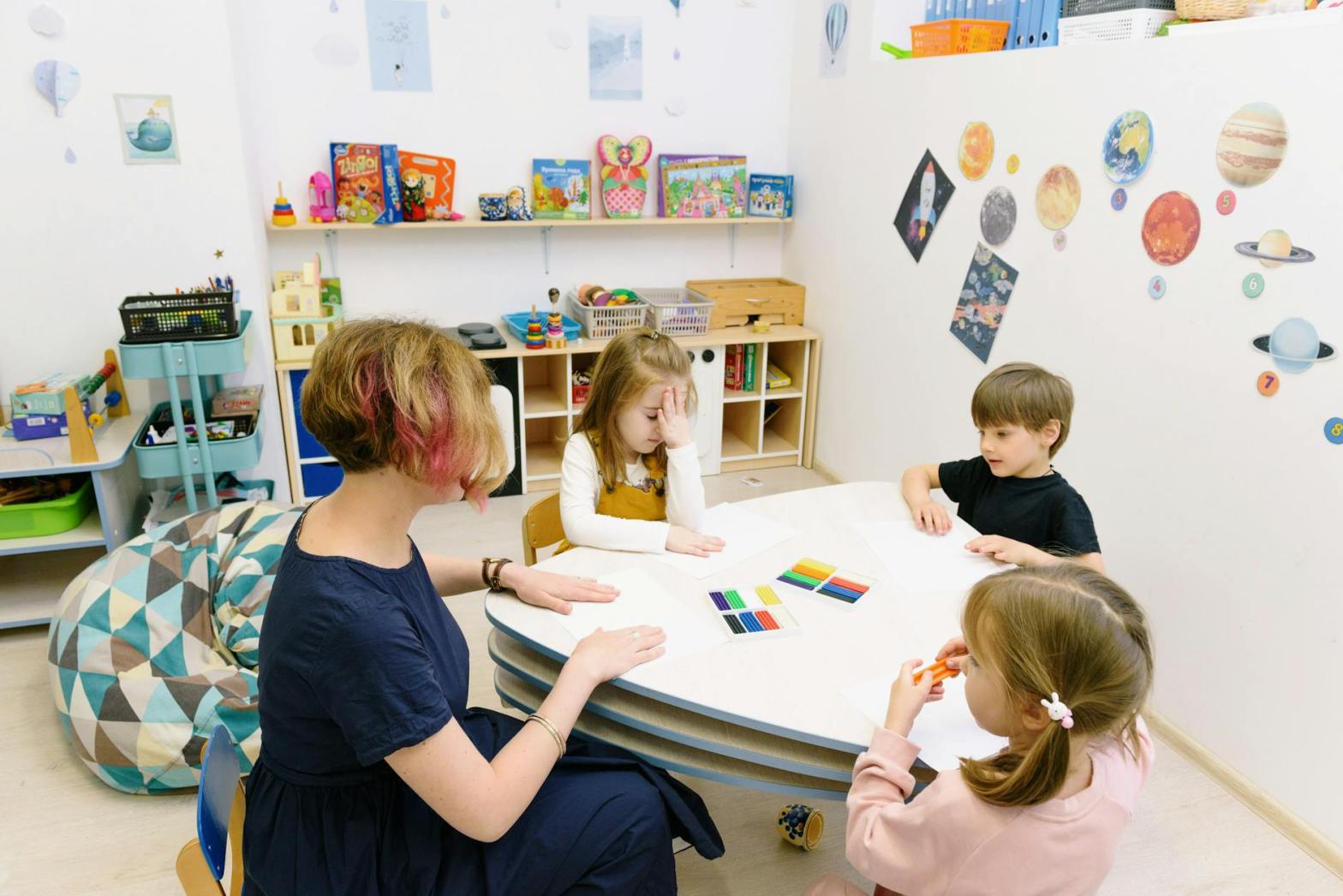
In classrooms everywhere, teachers and staff often ask occupational therapists to help when a student is “not paying attention.”

Sometimes, however, what adults describe as an “attention problem” is really about compliance—whether or not the child is following directions.

Why Play Is the Most Developmentally Important Skill of Early Childhood

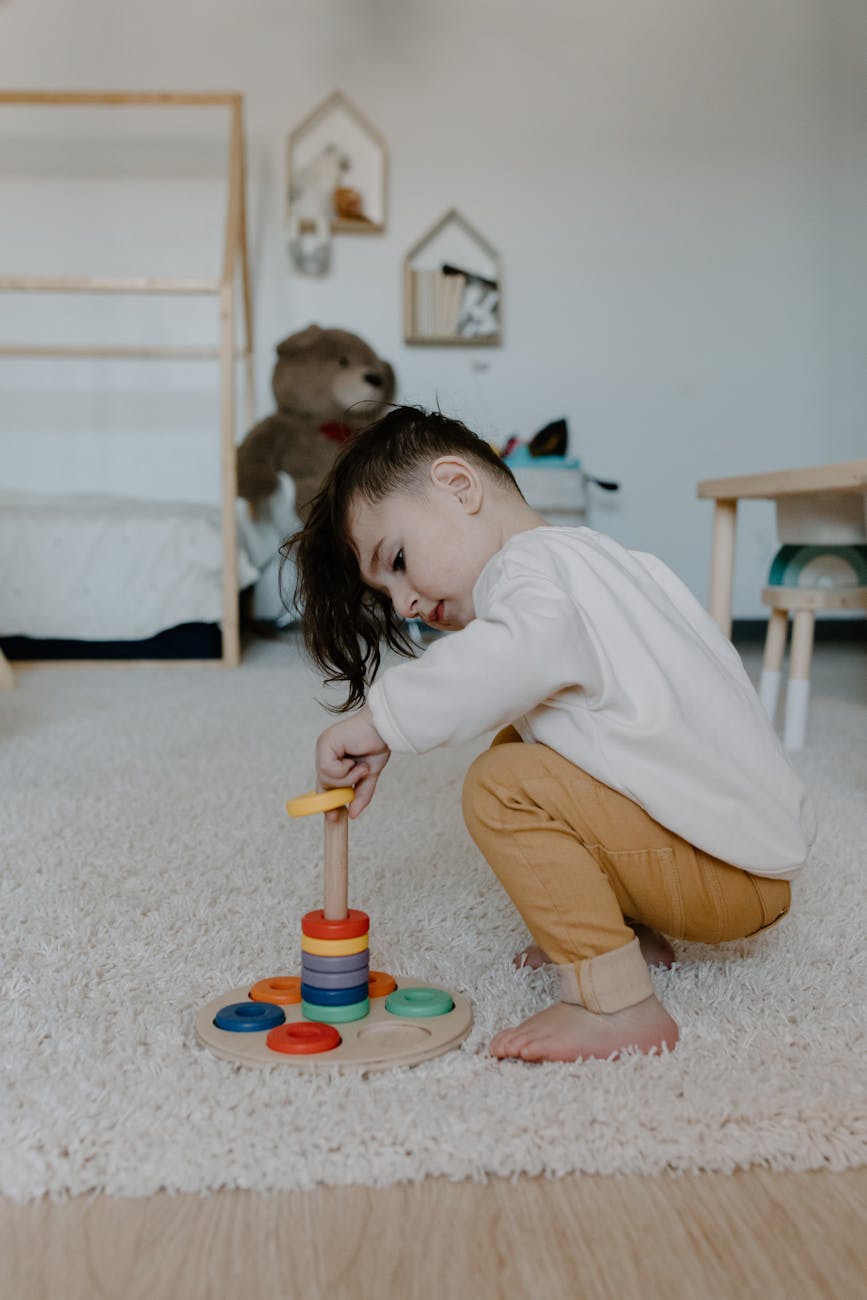
In a world where milestones, academic achievement, and structured learning seem to matter earlier and earlier, it’s easy to forget one of the most powerful tools we have for supporting a young child’s development: play.

How to Be a Neuro-Affirming Pediatric Occupational Therapist

The field of pediatric occupational therapy is evolving—and so is the way we understand and support neurodivergent children.

How Occupational Therapists Can Help Restaurants Become Sensory‑Inclusive: Practical Tips for Hospitality

Introduction Dining out is a beloved experience for many families, yet for individuals with sensory processing differences, restaurants can be overwhelming, uncomfortable, or even impossible to navigate. Loud noises, strong smells, bright lights, and crowded layouts all contribute to sensory overload. As awareness of neurodiversity increases, so too does the need for sensory-inclusive restaurants thatContinue reading “How Occupational Therapists Can Help Restaurants Become Sensory‑Inclusive: Practical Tips for Hospitality”

There’s No Right or Wrong Way to Play

Play is one of the most important parts of childhood.

It’s how kids explore their world, develop new skills, and learn to express themselves.

Yet, many adults—often without realizing it—put rules or expectations on how play “should” look.

What Is Pediatric Occupational Therapy—and Why It Matters?

Pediatric Occupational Therapy (OT) plays a crucial role in supporting children’s development, particularly in school and community environments.

But what exactly is pediatric OT, and why should parents, teachers, and organizations care?

In this post, we’ll break down what pediatric OT is, how it helps, and why it should be a foundational part of every inclusive educational and recreational space.

3 Easy Sensory-Friendly Changes for Your Classroom or Business

Creating sensory-friendly spaces doesn’t have to be expensive or complicated.

In this post, we’ll explore three simple, effective sensory-friendly changes that can make your space more inclusive for everyone.

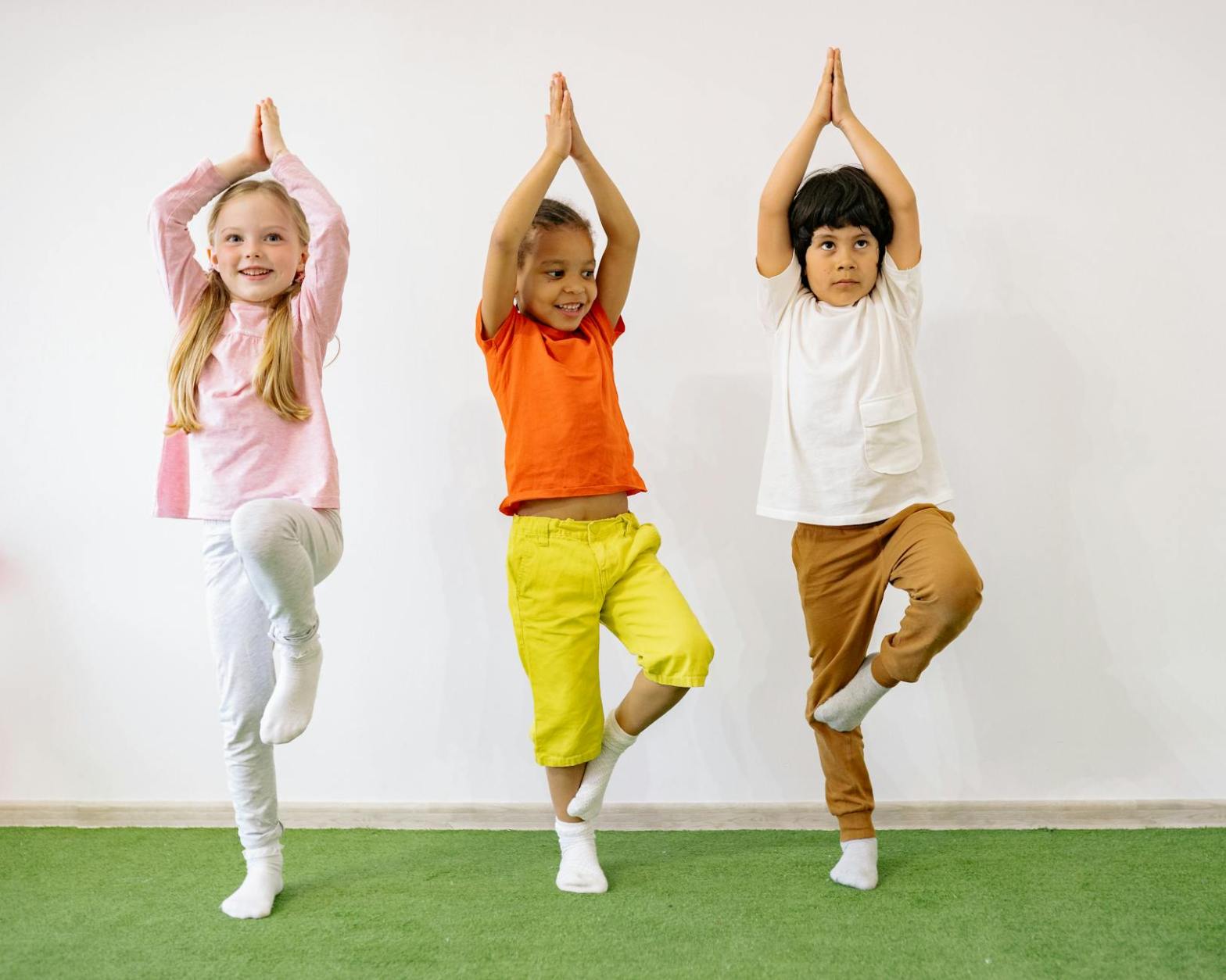
Movement as a Learning Style for Kids: Unlocking the Power of the Body for the Brain

When we think of learning, we often picture a child sitting quietly at a desk, pencil in hand, eyes fixed on a worksheet or chalkboard.

But for many children, especially in the early years, this traditional model doesn’t match how their brains are wired to absorb information.